
Horses: behavioral research, physiology and biomechanics
Besides the study of the relation between humans and popular pets such as cats and dogs, human-horse interaction is an increasingly popular subject of science.
Read More arrow_forwardTraditional behavioral assays often rely on rudimentary methods. With EthoVision the world of measuring social behavior in rodents has been revolutionized.
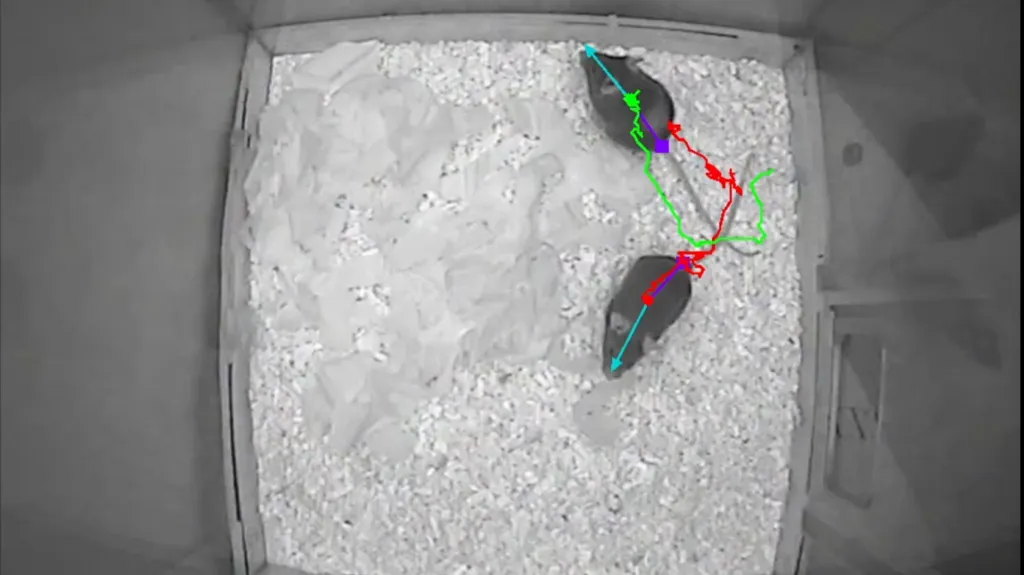
In behavioral neuroscience, understanding social interactions in rodents is key
to unlocking insights into neurodevelopmental and psychiatric disorders. Traditional behavioral assays often
rely on manual observations or rudimentary tracking systems that fail to capture the nuances of complex social
interactions.
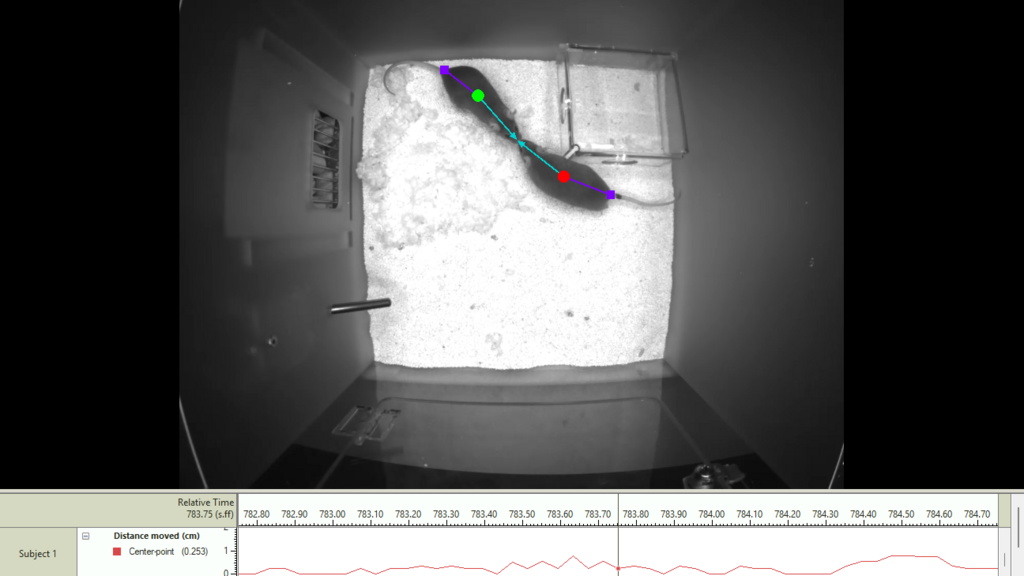
However, with the advancements in EthoVision’s social tracker, powered by Noldus’ advanced deep learning algorithms, researchers can analyze social behaviors with unprecedented accuracy and efficiency. This advancement takes your behavioral research to the next level by capturing spontaneous, naturalistic behaviors in stress-free conditions.
EthoVision is the only commercially available system that does everything you could want, seamlessly and easily, without compromising on animal welfare.
Social behavior is a fundamental aspect of neuroscience research. It plays a
crucial role in the study of conditions such as autism spectrum disorders, schizophrenia, and anxiety-related
disorders.
Observing social interactions like grooming, chasing, and huddling provides invaluable insights into brain function and dysfunction. By evaluating behavior in a social setting rather than isolation, researchers can assess how genetic, pharmacological, or environmental factors influence these critical interactions.
In recent years, there has been a growing trend toward obtaining more
ethologically relevant behavioral data. Researchers are moving away from artificial experimental setups and
placing greater emphasis on studying animals in environments that closely resemble their natural conditions.
This shift is accompanied by a focus on improving housing and handling practices to ensure minimal stress and
maximal validity of behavioral data. By designing studies with these principles in mind, researchers can collect
more accurate, translationally relevant data that better reflects real-world behavior in both animals and
humans.
EthoVision has long been the gold standard in video tracking software, but the latest versions represent a major breakthrough. With its enhanced deep learning algorithms, EthoVision has several key benefits for those looking to measure social interaction.
FREE TRIAL
Request a free trial and find out what EthoVision can do for your research!
With this new release we’ve made the social interaction capabilities of our tracker even better. The improved Re-ID is better at distinguishing your animals as they act. This means that your data is ready within seconds of finishing your recording.
Furthermore, we’ve added some often-requested parameters to analyze. You can now define and measure the following parameters:
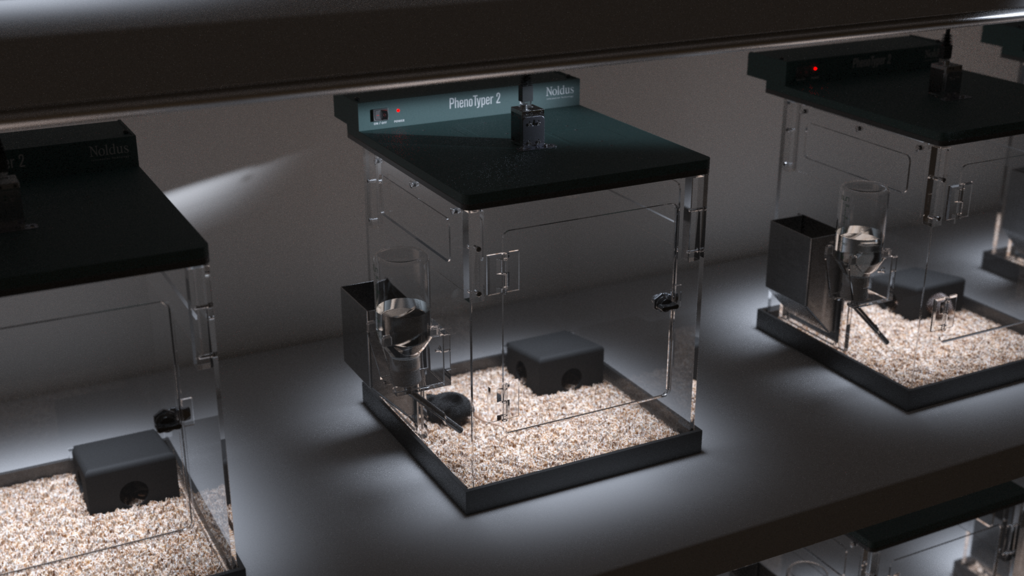
While traditional open-field arenas provide valuable data, they can introduce artificial constraints that impact the validity of behavioral studies. Home cage(-like) monitoring provides a more ethologically relevant setting, allowing for the continuous observation of natural behaviors over extended periods. When combining EthoVision with PhenoTyper, researchers benefit from a powerful integrated behavioral system that offers you clear insights into:
Social bonding and group interactions: Without the stress of novel environments, researchers can assess stable social relationships, dominance hierarchies, and affiliative behaviors in freely interacting groups.
Circadian rhythms and sleep patterns: By tracking locomotor activity across light-dark cycles, researchers gain a deeper understanding of sleep-wake behaviors, an essential factor in studies on neurodegenerative diseases and mental health disorders.
Stereotypies and abnormal behaviors: Long-term monitoring increases the likelihood of detecting repetitive behaviors, self-grooming patterns, or aggression, which are crucial indicators in models of autism and obsessive-compulsive disorder.
Cognitive functions in a low-stress environment: Integrating automated cognitive tasks within the home cage allows for the assessment of learning, memory, and decision-making in a setting that minimizes experimenter interference.
This combination provides a robust and well-integrated platform that streamlines behavioral studies, making data collection more efficient and reliable for preclinical research.
Compared with open-source tools such as DeepLabCut, EthoVision offers a much more straightforward path to reliable social interaction data. Rather than spending time building, training, and troubleshooting your own workflow, researchers can start measuring behavior immediately with a system that works out of the box.
That ease of use does not come at the expense of flexibility. EthoVision works across different arena types and rodent species without requiring model retraining for each new setup, making it easier to apply consistently across studies. At the same time, users have access to PhD-level scientific support, so help is available from experts who understand both the software and the experimental questions behind the data.
Just as importantly, EthoVision is a platform trusted by thousands of researchers worldwide. That proven track record gives confidence that the system delivers robust, reproducible results for social behavior research.
The integration of deep learning-powered tracking with home cage(-like) monitoring directly addresses some of the most pressing challenges in preclinical research:
EthoVision is not just another tracking system, it is designed to address the
real challenges behavioral researchers face today. With over 30 years of experience, Noldus has built solutions
from the ground up, guided by validated data and continuous research input.
By integrating advanced deep learning capabilities with home-cage monitoring in the PhenoTyper, we provide a
powerful platform for collecting high-quality, short- and long-term behavioral data with minimal intervention.
Refining experimental methodology and accelerating breakthroughs in neuroscience, ultimately leading to more
effective treatments for neuropsychiatric disorders.
Ready to see how EthoVision can improve your research? Contact us today for a demo or visit
noldus.com/ethovision-xt to explore how we can help you improve your behavioral research.
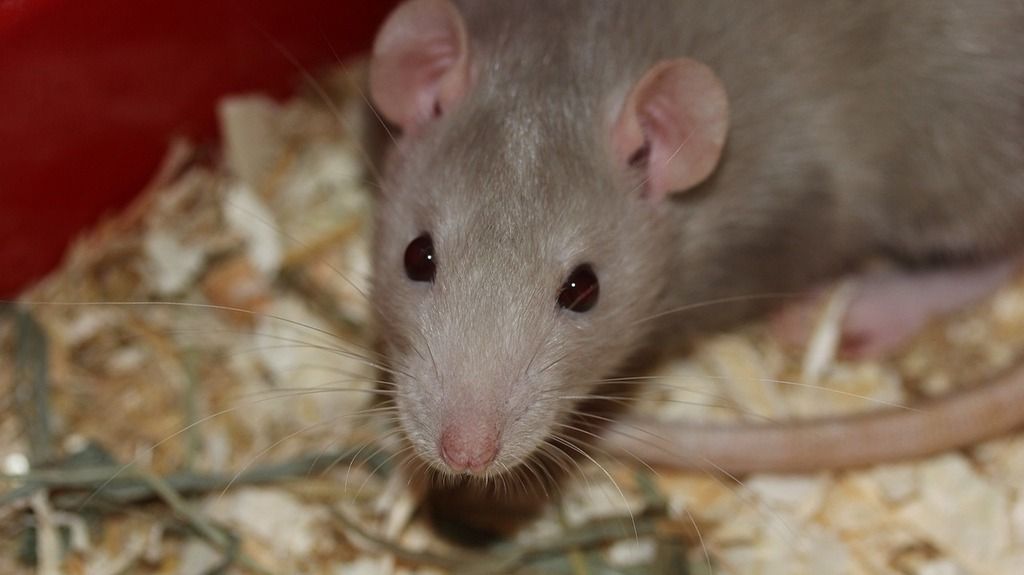
The days of contour tracking are behind us. With the power of AI algorithms you can track rodents with great accuracy. In this webinar you can learn more about why this method is superior for you research application.
Besides the study of the relation between humans and popular pets such as cats and dogs, human-horse interaction is an increasingly popular subject of science.
Read More arrow_forward
On a yearly basis, an estimated 20.000 individuals are diagnosed with primary brain tumors in the United States alone. About ten times that number of patients will receive treatment for primary or metastatic brain cancer.
Read More arrow_forward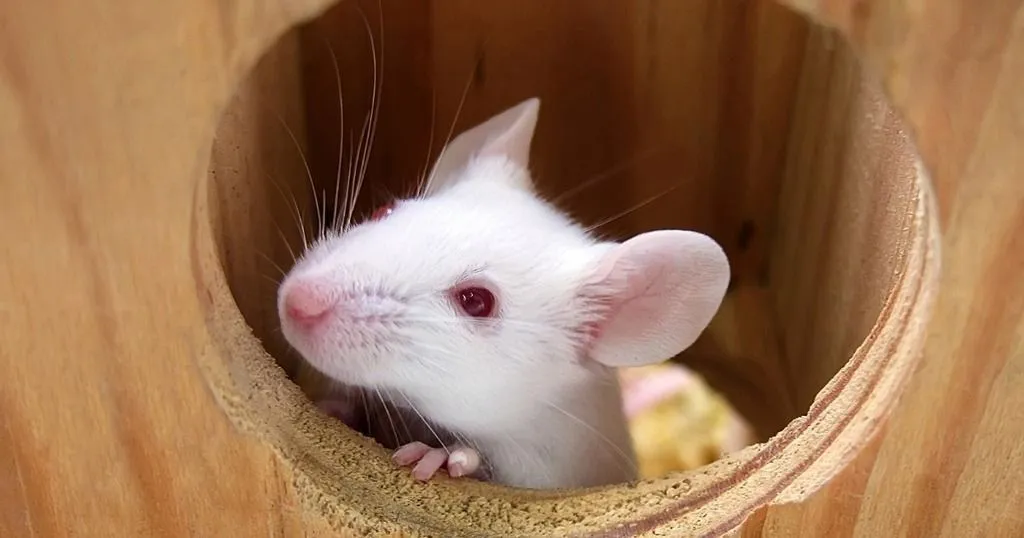
Traditional standard tests with rats or mice are carried out immediately after human interference. Therefore, the behavior of the animals may not be natural and spontaneous.
Read More arrow_forwardWe'll get back to you shortly.
Please correct the following errors: