Behavioral Research Blog
Insights, research, and innovations in human and animal behavior research
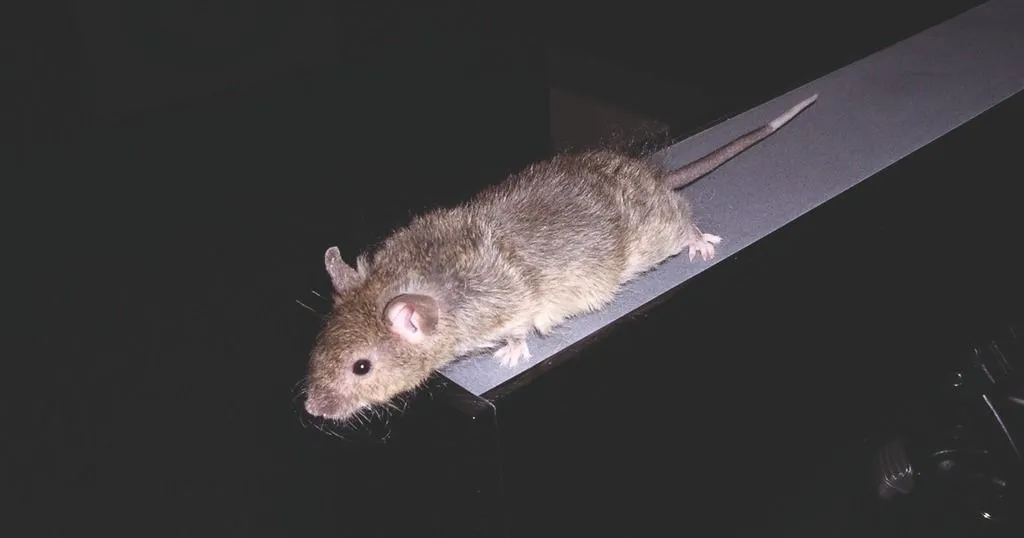
Robust and reliable: Measuring anxiety in the Elevated plus maze
Screening of anxiety-like behavior in the elevated plus maze becomes more reliable with Ethovision XT combined with the standardization of testing parameters and common practices.

How to measure consumer behavior
Measuring consumer behavior enables you to really know your customers and get key insights into consumer preferences and buying behavior. We highlight four of these ways for you in this blog post.
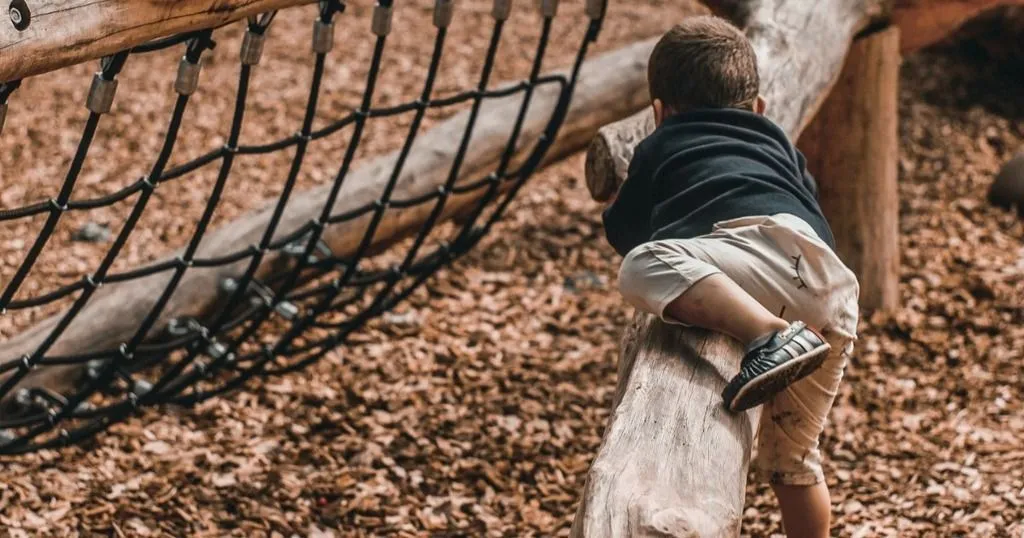
Challenging play behavior: does it still exist?
Although children tend to spend more time indoor in sitting activities, they need feelings of exhilaration for behavioral development. Researchers investigated how risky play behavior can be encouraged.

How we turned our office into a living lab with a green roof
Green roofs are becoming more and more popular around the world. These living roofs transform buildings into ecological systems that benefits its surrounding environment.

Investigating facial expressions in autism and borderline personality disorder
Within two specific populations researchers investigated the role of facial expressions on social interactions.
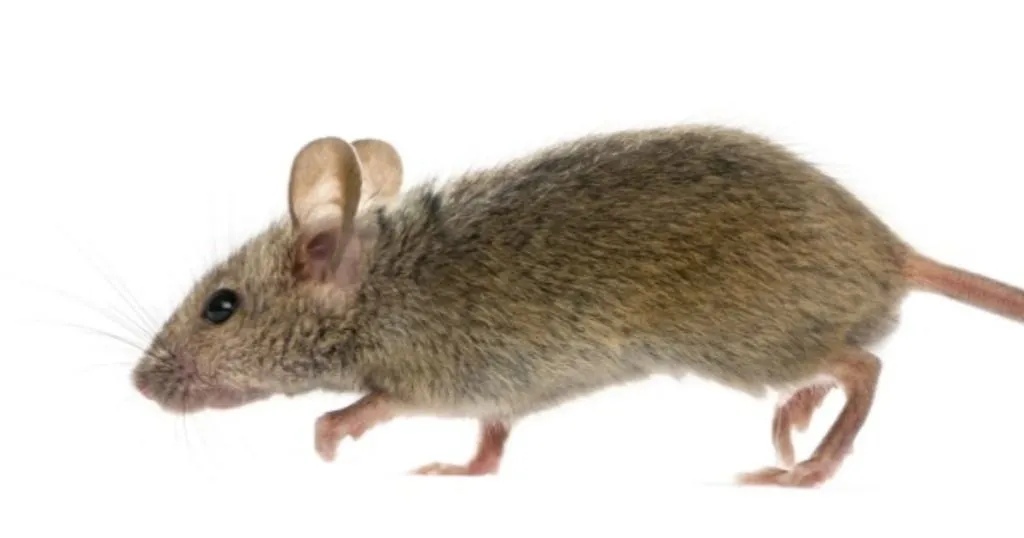
Mice walking again after a complete spinal cord crush
Researchers from the University of Bochum achieved significant scientific results by making mice walk again after a complete spinal cord crush! Read more about it in this blog post.

The role of entrepreneurs’ facial expressions to gain financial support
As an entrepreneur, attracting financial support is essential to get your start-up of the ground. How can positive facial expressions help to be more successful in a funding pitch?
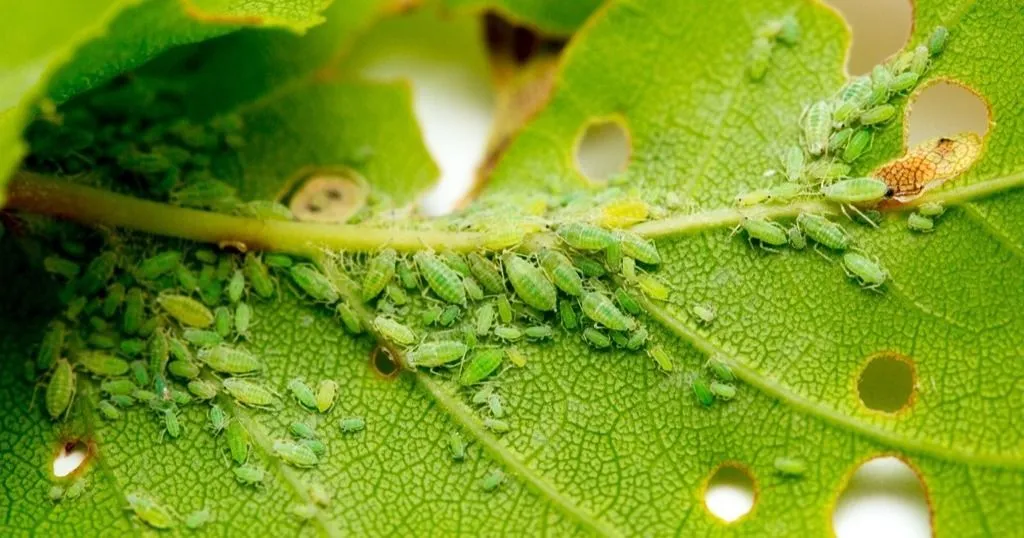
Screening plants for resistance to insect pests
EntoLab is a computerized system for automated screening of plants for resistance to sucking insects. It can accurately screen many different plant lines in a high-throughput manner.

Observing and coding the behavior of siblings
Would it help if your brother or sister is sitting by your side when you're in pain? Would that ease the pain, or provide some distraction?
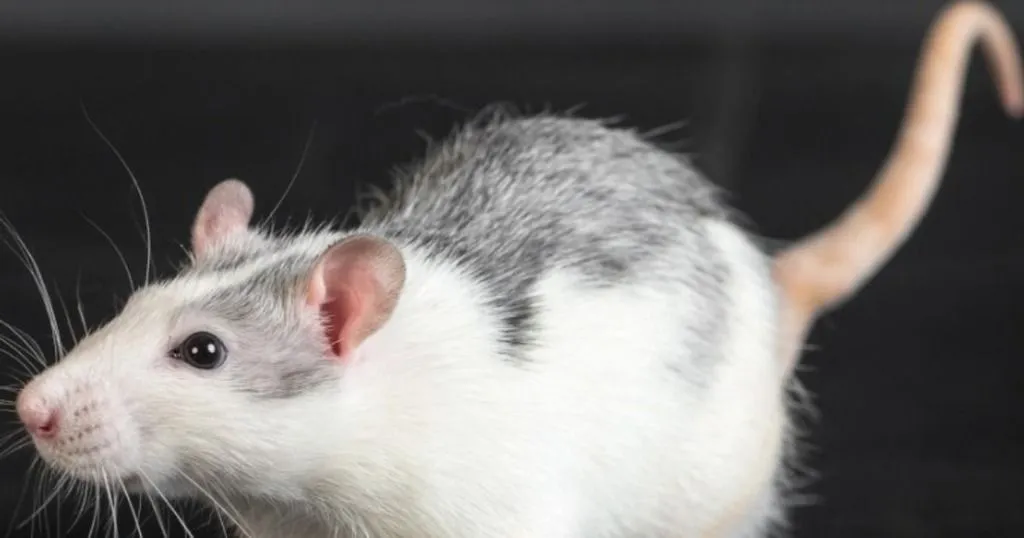
Vestibulopathy: movement and balance issues investigated in rats
It is hard to diagnose vestibulopathy, so a rat model was developed to study the progress of symptoms, from day one to day 30 after ear injury. Results can improve future human diagnosis and therapy options.
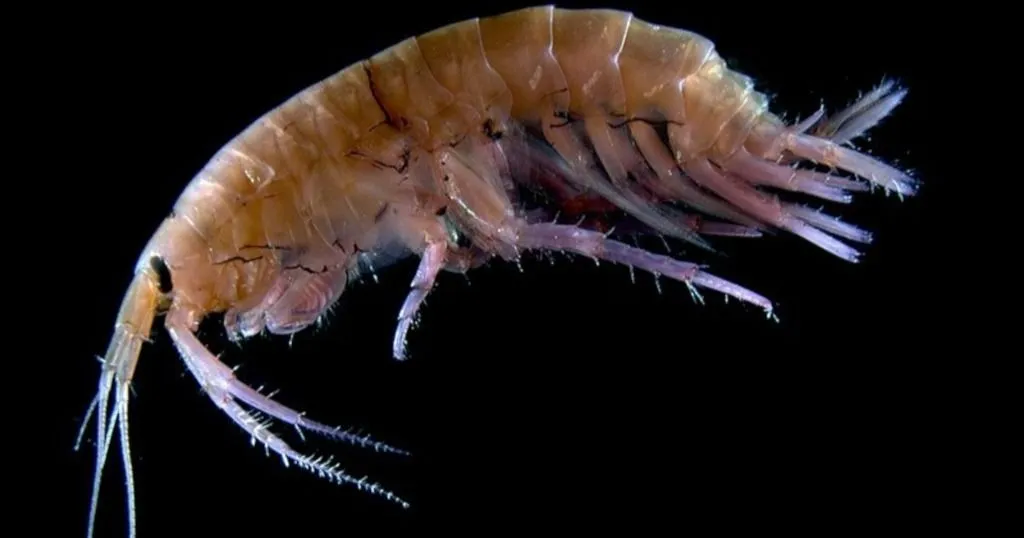
Nearly impossible to video track: small shrimp
Gammarus shrimps are exceptionally difficult to track, but Noldus solved the puzzle, resulting in interesting insights into its ecology.
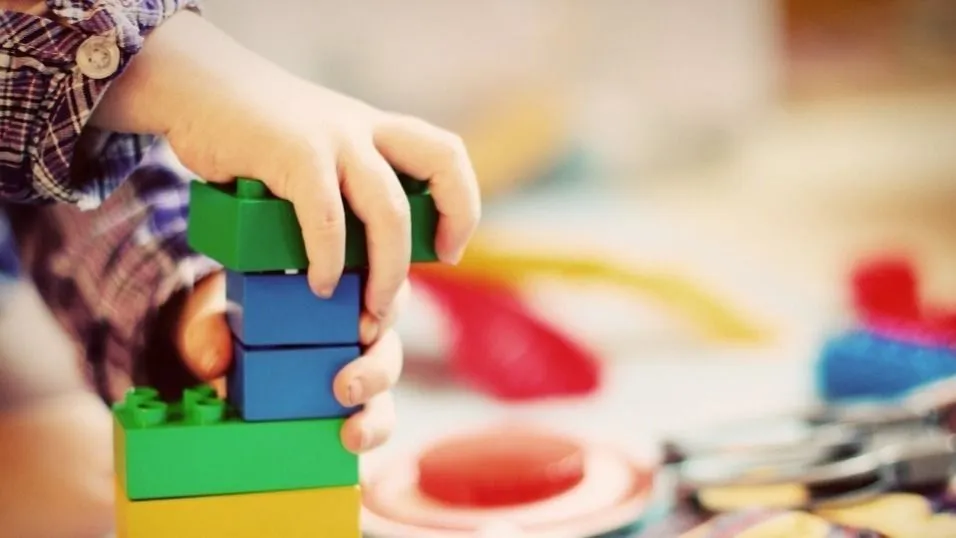
How does handedness relate to infant language development?
Developing motor skills appears to be related to language abilities. The research team of Sandy Gonzalez investigated whether consistency in handedness predicts receptive and expressive language.
Thank you!
We'll get back to you shortly.
Please correct the following errors:
Thank you for registering!
We look forward to seeing you at the NoldusViso launch event.
Please correct the following errors: