Behavioral Research Blog
Insights, research, and innovations in human and animal behavior research

Measuring consumer choice behavior
Two recent projects provide new insights into how best to measure the choices that we make.
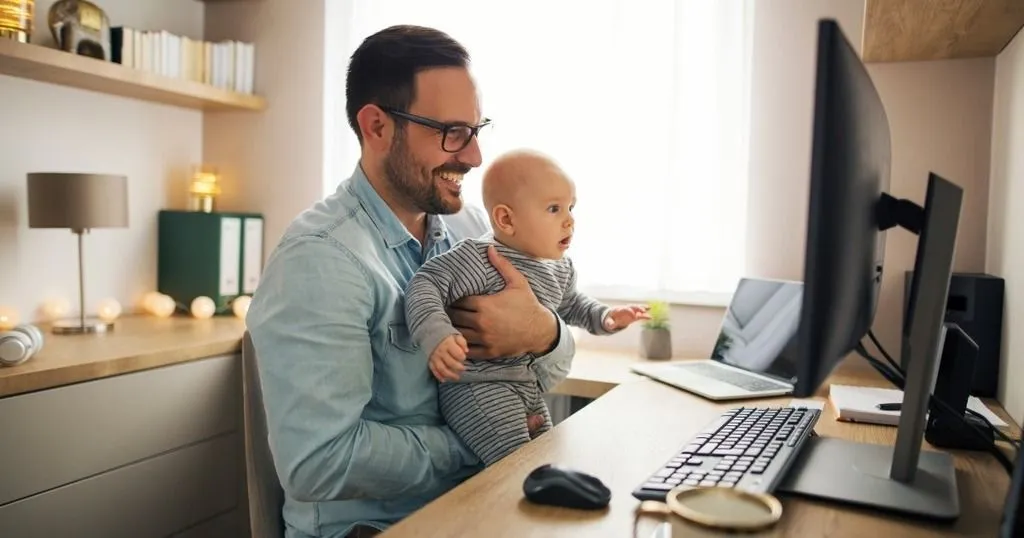
The role of mimicry in the development of social communication
Children learn from interacting with others, especially their parents. For example, reproducing the emotions that others express is part of that.

Learn about people's behavior by observing them
An observation or usability lab allows researchers to observe test participants unobtrusively, in an environment similar to the participant’s natural surroundings.

Creating a custom expression for engagement: a validation study with FaceReader
The concept engagement is gaining more and more attention. Many companies are looking for ways to increase consumer engagement. But, how do you know a consumer is feeling engaged?
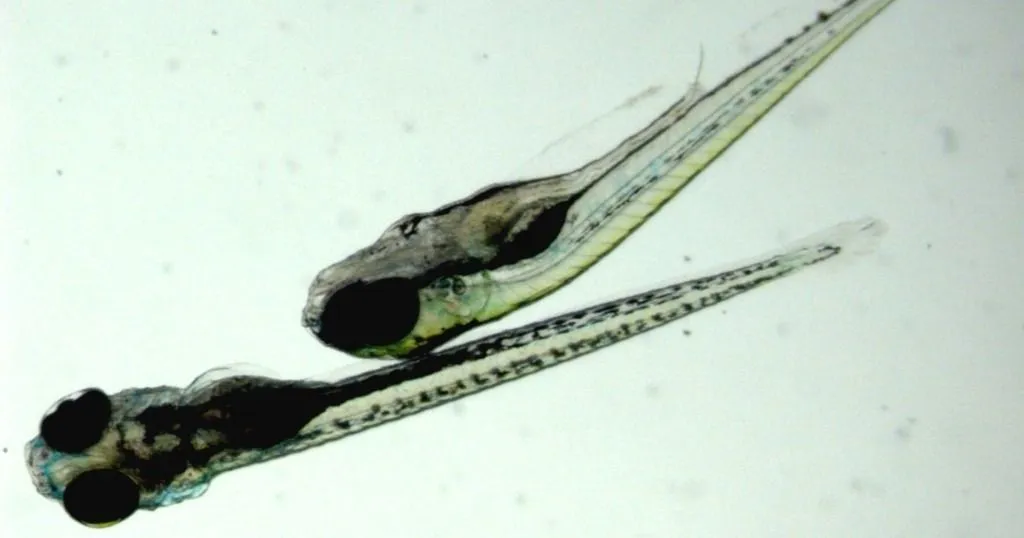
Getting robust results: one zebrafish is not like the other
Zebrafish larvae locomotor behavior often has a high variability, which can have a big impact on your results. Still, it is one of the most used parameters. So how can you make your study more robust?

Emotional responses to winning a paralympic medal
Guest blogger Jeffrey J. Martin conducted a study to examine the emotional reactions of Paralympians right after winning a medal, using automated facial expression analysis.
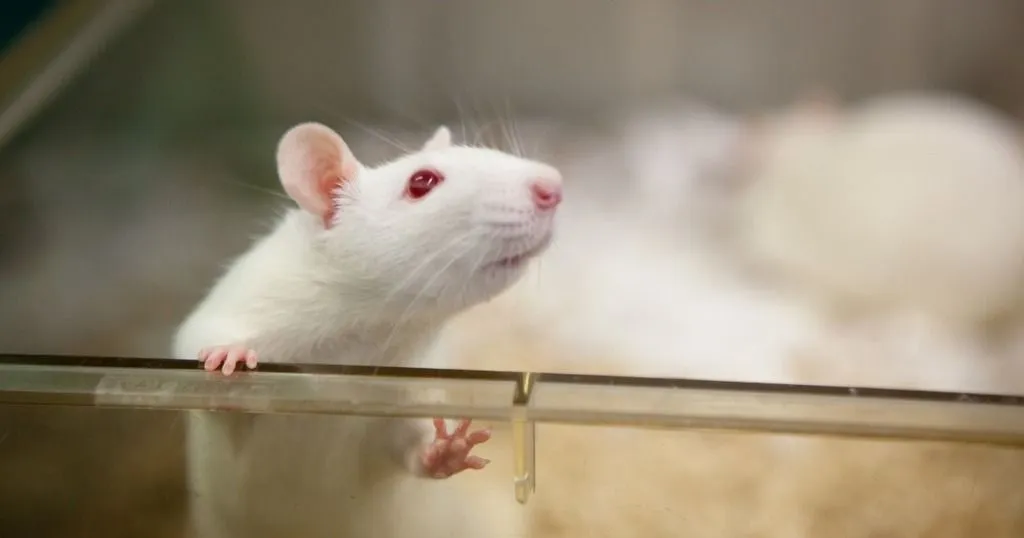
How behavioral core facilities advance research
Behavioral cores benefit universities as well as science in general. Recent cases show improved reproducibility of tests and protocols to assess a more complex phenotype of model animals.
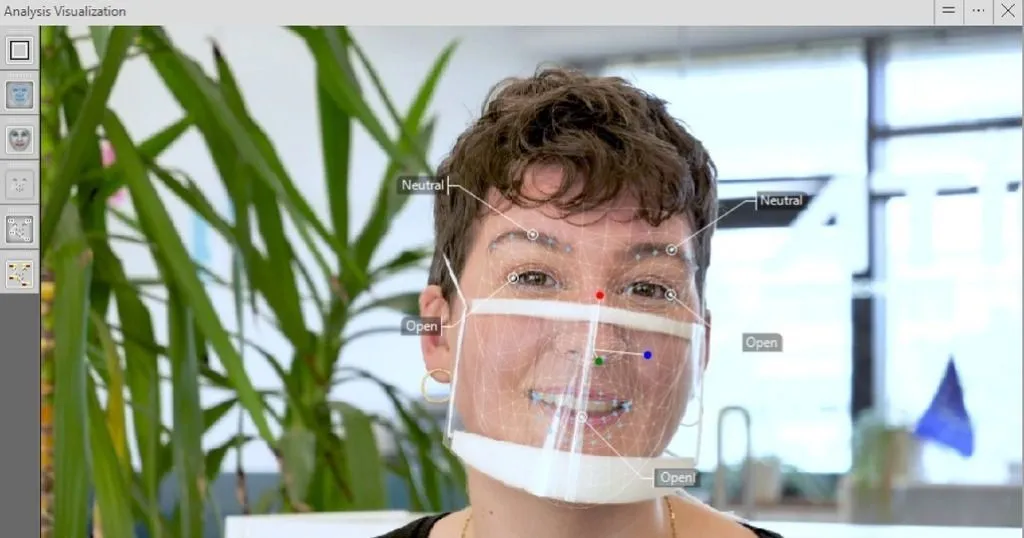
Why a clear mask is essential for clearer communication
For people who are deaf or hard of hearing, it is essential to be able to see the movements of the mouth while communicating. With the help of clear masks they can access the full facial expressions.
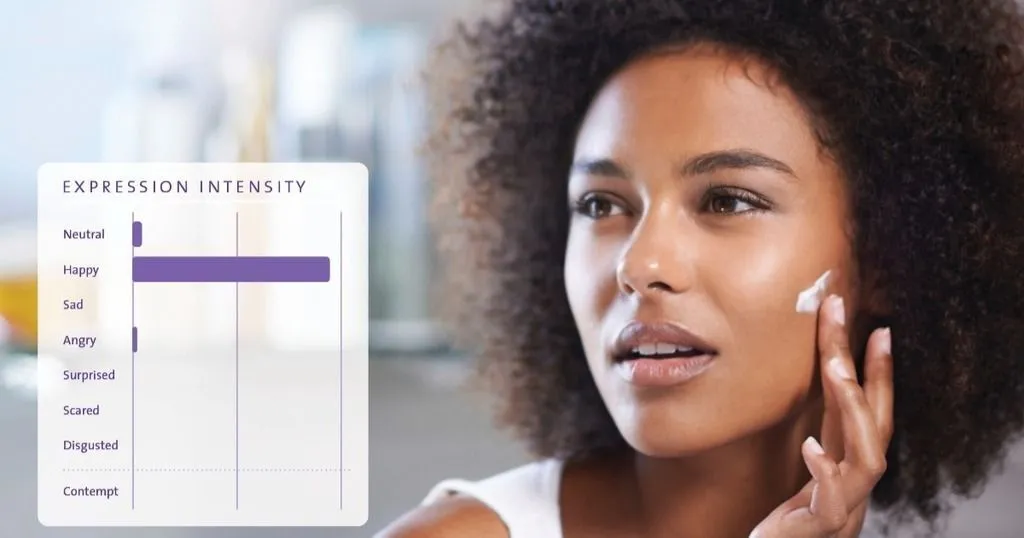
Three ways to understand consumer emotions
Many companies are seeking ways to understand consumer emotions in order to predict product acceptability. Here are three ways you could set up your study to assess consumer emotions.
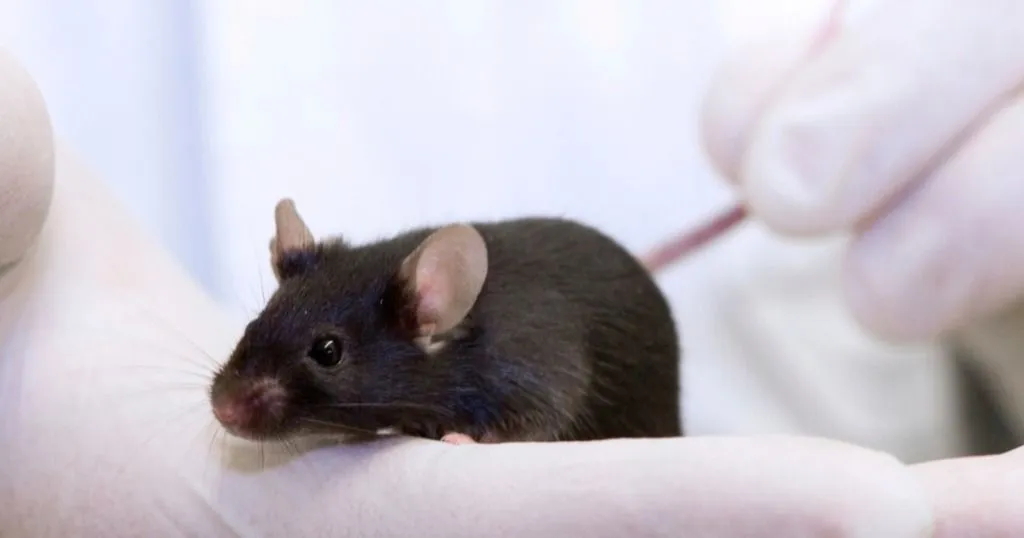
A new sensory and motor scale for the CIA arthritis mouse model
Dr. Bonnefont and her colleagues at IRMB in France just recently proposed a new ArthriSM scale to predict motor and sensory functional deficits in arthritis mouse model. Read more about it in her blog post!

Video recording used in psychology
Understanding behavior during an interaction becomes much easier with video observations, and enables students to watch and learn.

Exploring learning experiences of undergraduate nursing students
Simulation-based training sessions are essential in healthcare education. How do nursing students experience the use of a virtual interactive digital simulator compared to a human patient simulation?
Thank you!
We'll get back to you shortly.
Please correct the following errors:
Thank you for registering!
We look forward to seeing you at the NoldusViso launch event.
Please correct the following errors: