Behavioral Research Blog
Insights, research, and innovations in human and animal behavior research

Parent-child interaction – research in a lab and on-site
Early in life, children are not capable of filling out a complete questionnaire or talking to an interviewer.
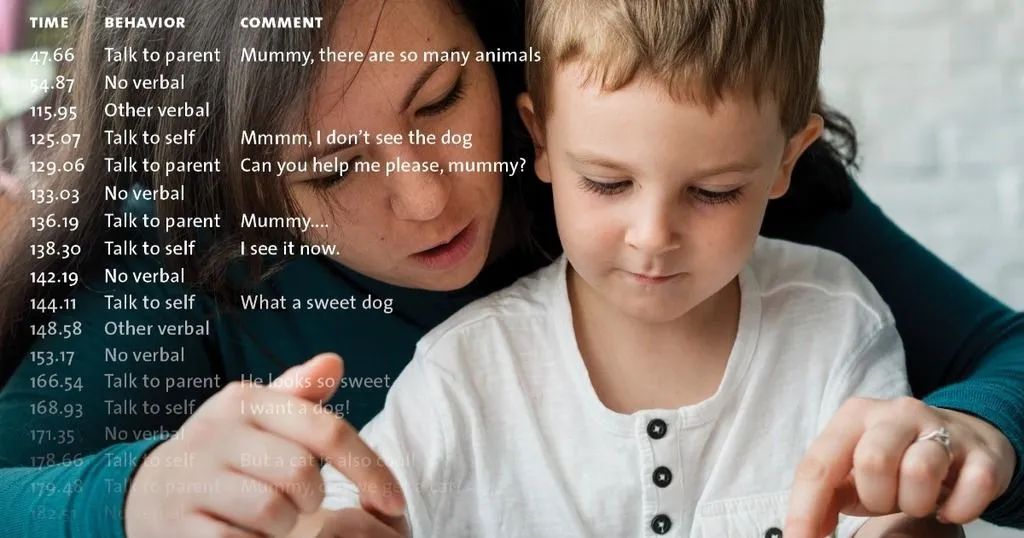
7 tips to make coding behavioral data more fun
Coding behavioral data helps to understand what your data represents. But let's face it, it isn't much fun to do and it takes a lot of time. Here are 7 tips to make the coding process more effective.

How to collect high quality data in an observation lab
Controlled conditions and accurate data recording are key in scientific success. A stationary observation lab provides these controlled conditions while allowing scientists to observe test participants unobtrusively.

Advancing the novel object test: 3D printing and deep learning
To improve standardisation and consistency in the novel object test, Spry et al designed the 'CapTouch' system: capacative objects that can automatically register interaction. But what about deep learning in EthoVision XT?
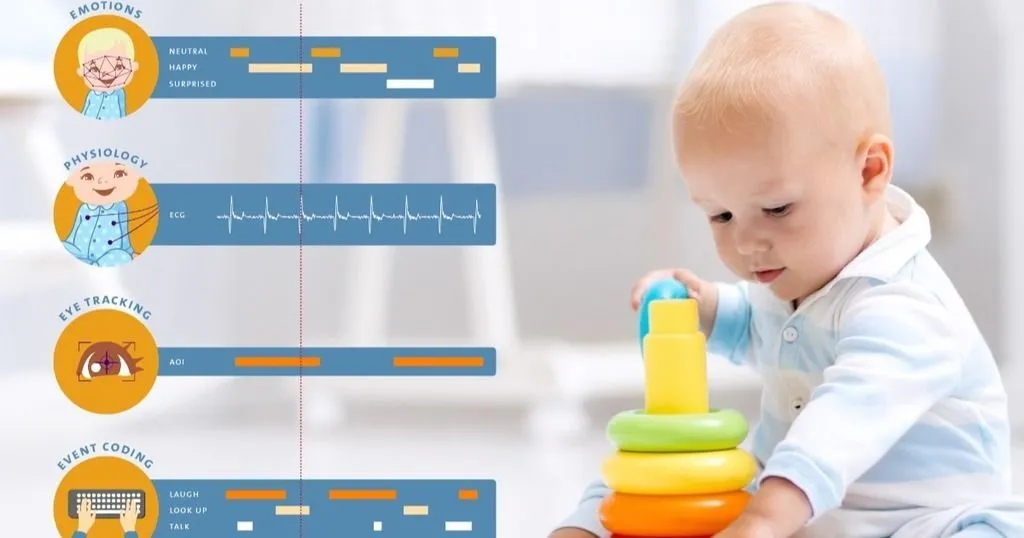
Anxiety and Autism
The EU-AIMS and AIMS-2-TRIALS projects have carried out some interesting studies teasing out the causes of anxiety in children with autism.

Using the Observer XT to measure aggressive behavior in Dolphins
The Observer XT is often used in the field to score complex ethograms. This blog touches upon a study of the 'Wild Dolphin Project' that investigates aggresive behavior between two species of dolphins.

Parent-child interaction in autism: play behavior
Stephanny Freeman and Connie Kasari observed play behavior in an observation lab. They invited parents with their children to their observation lab and coded behavior in great detail.
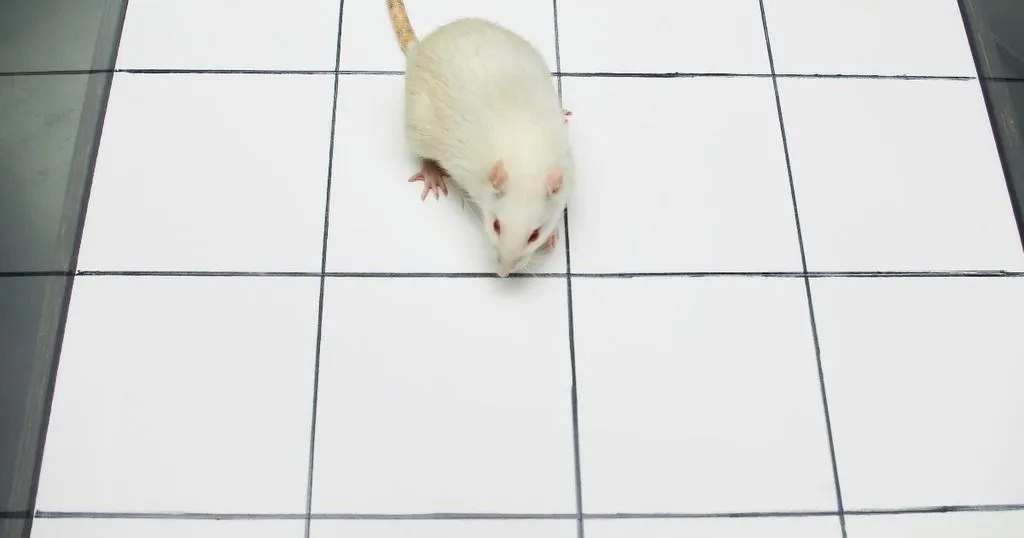
The open field test: A staple in behavioral batteries
The open field test is a locomotor, exploratory and/or anxiety test. Can we measure all these behaviors in a simple enclosed arena? This is exactly what we talk about in this blog, and the discussion surrounding this.

The influence of teachers' motivation behaviors on students' engagement
The presence or absence of engagement determines the difference between success and failure. Does motivating teaching behavior keep students' focused and engaged?

Scientific collaboration at its best: Home cage monitoring reviewed
The latest insights and views on home cage monitoring was reviewed by Grieco et al. A collaborative paper with an expert team on home cage behavior was published last week. This blog touches upon their findings!

A critical view on the Forced swim test
The forced swim test (FST), a staple in depression research, has been under discussion for a while. What is the FST? How is it used? And why is it under discussion? Here we share our view on this topic

The influence of ad-evoked emotions on brand attitudes
Can brand authenticity generate positive emotions among consumers and turn into a positive brand attitude?
Thank you!
We'll get back to you shortly.
Please correct the following errors:
Thank you for registering!
We look forward to seeing you at the NoldusViso launch event.
Please correct the following errors: