Behavioral Research Blog
Insights, research, and innovations in human and animal behavior research
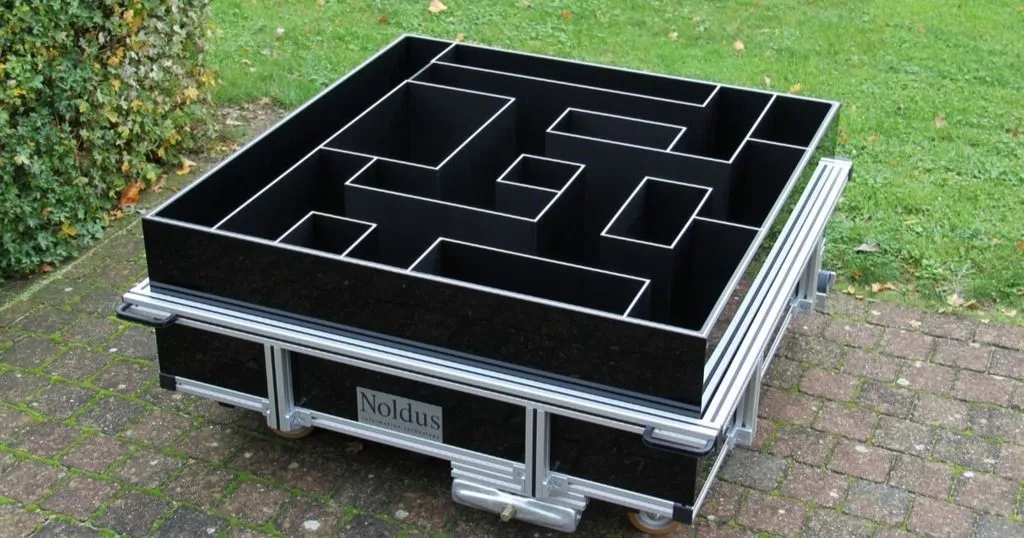
Studying spatial learning and memory with Cincinnati Water Maze
Studying spatial learning and memory is important to develop treatment for Alzheimer's and other diseases influencing on orientation and navigation. One way to study it is with Cincinnati Water Maze.
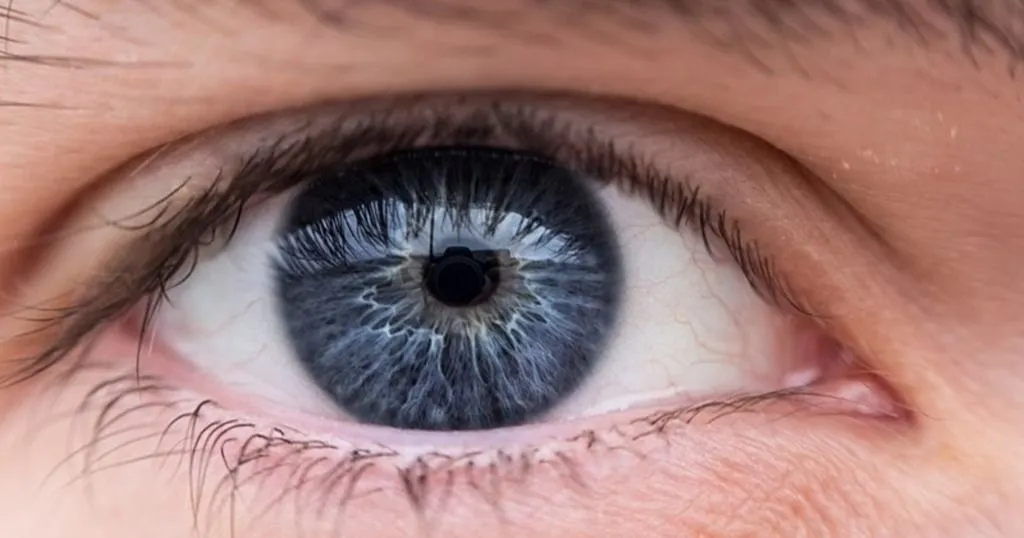
What can you use eye tracking for?
Eye tracking is a technique which records what you are looking at. With more complex analysis, it can give all sorts of information about a subject's mental state.
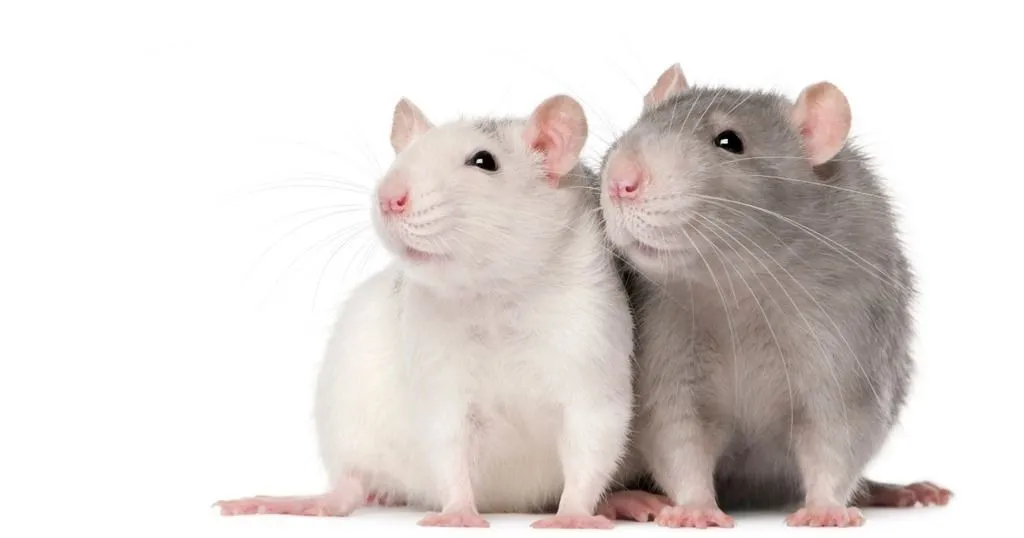
The relationship between social hierarchy and social stress
Today, Deepika Patel kindly shares her research on social structures with us. She investigated rat behavior in detail, using several test paradigms.

Measuring the intensity of emotional response to political advertisement videos
To convince voters, all kinds of strategies can be used to stimulate the electorate. Researcher Dias and his team evaluated how voters respond to changes in the scenario of videos of political propaganda.
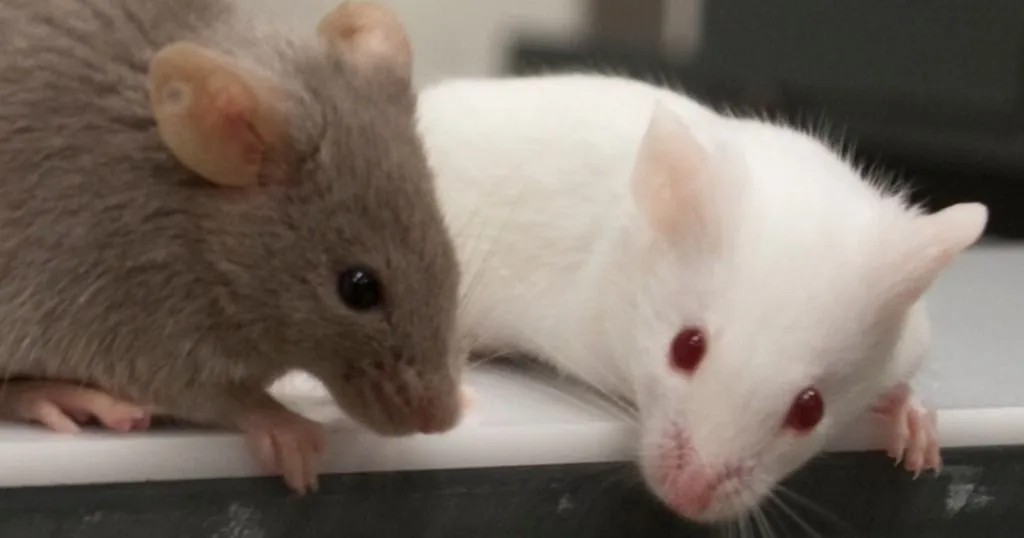
A to Z on optogenetics and video tracking studies
Optogenetics allow researchers to either activate or inhibit neurons in the brain. To see how this affects behavior, you need to record that behavior and synchronize it with the stimulation. Here's how.

The role of facial expression of emotion in joint activities
How does emotion expression guide interactive value learning and interactive corrective action selection? Dr. Robert Lowe investigated this and shares his findings in this guest blog post.

Discussing uncertainty during cancer genetic counseling
Getting screened preventively to find out whether a genetic predisposition increases the chance of developing cancer, causes great uncertainty. Which communication manners help to deal with this?
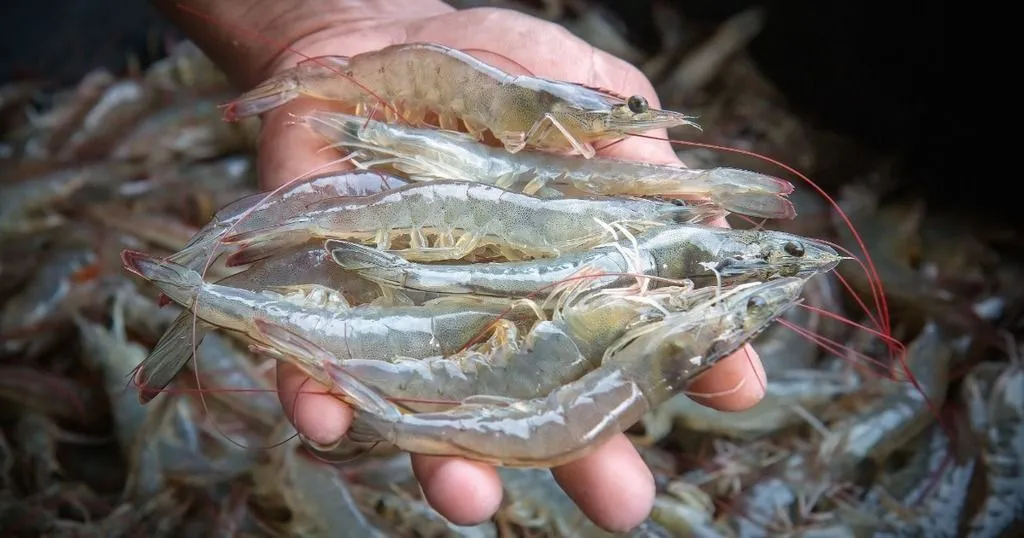
Studying shrimp feeding behavior and why it’s important for aquaculture
Shrimp is a popular dish, and these crustaceans are a very large part of commercial aquaculture. Especially Pacific white-leg shrimp, as they grow fast and are able to adapt to a wide range of environments.
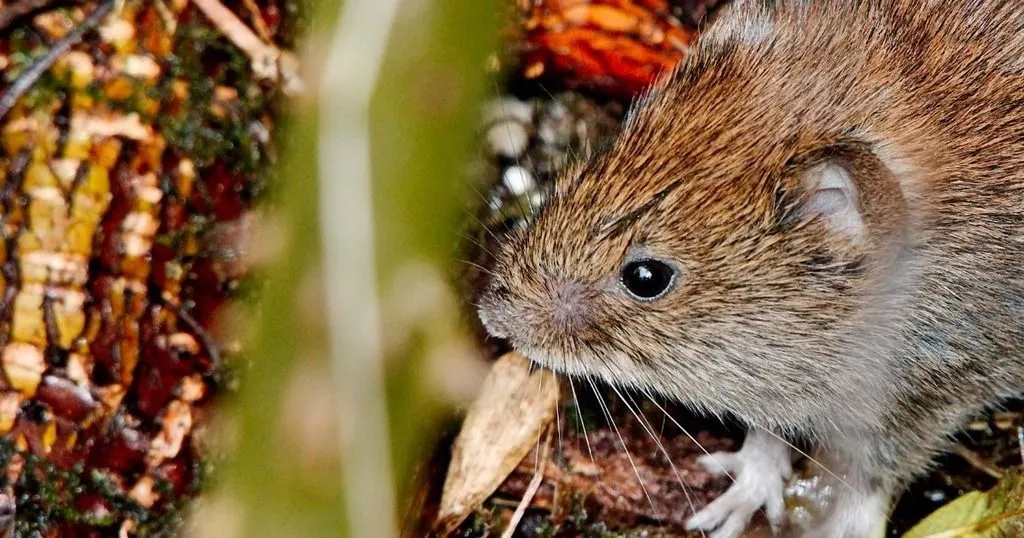
Father’s genes affect their offspring’s future success
The early life environment of male bank voles can influence their offspring significantly. Both social stress and nutrient supply have an effect on the chances of survival for two generations.
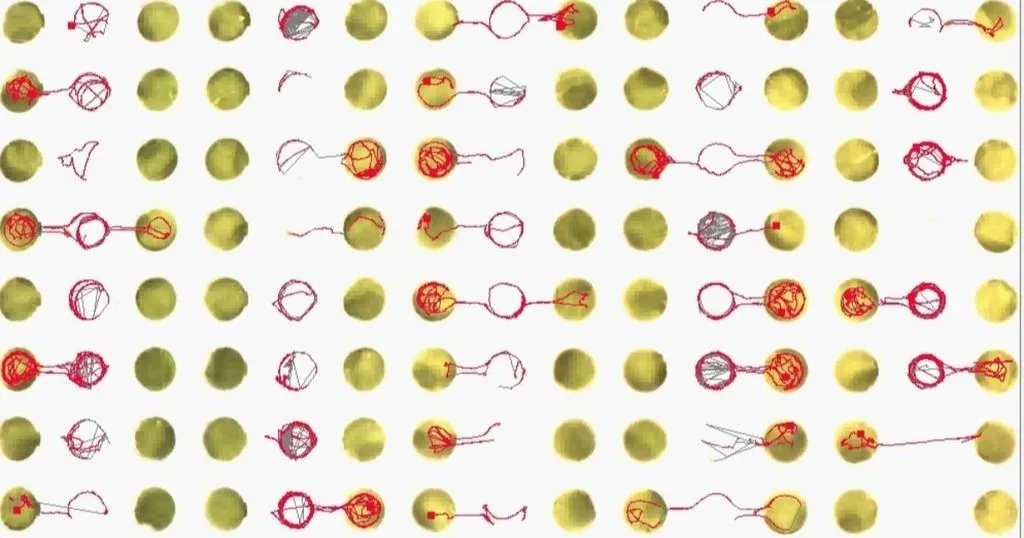
Screening insecticides for efficacy or tolerance
Maarten Jongsma and colleagues use EntoLab to detect changes in insect behavior that provide a sensitive method for identifying and quantifying resistance development. They tested this approach with pyrethrins against aphids.
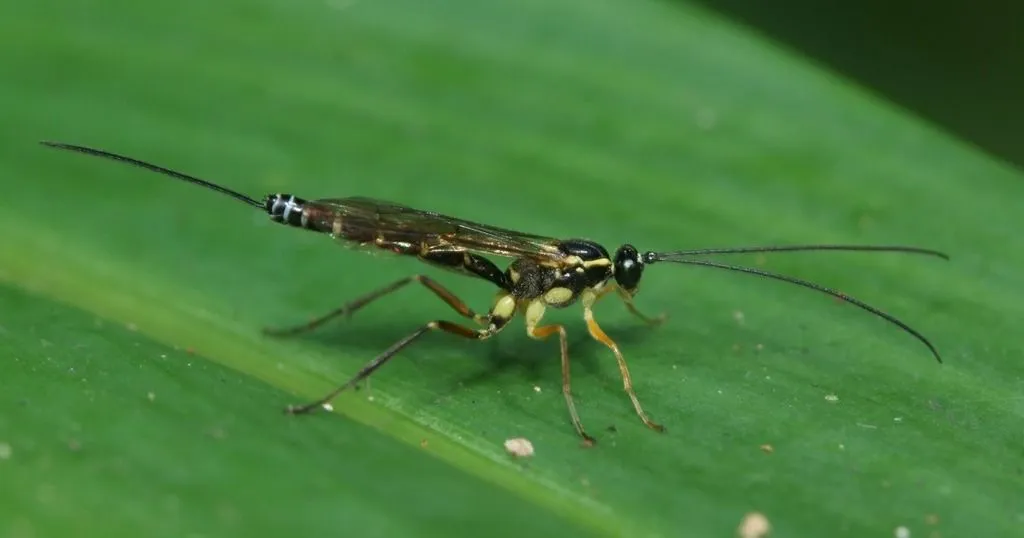
High-throughput screening of beneficial insects
Jessica de Bruijn used EntoLab for automated high-throughput screening of parasitic wasps in individual olfactory 2-choice tests. Various behavioral parameters were measured to compute a memory retention index.
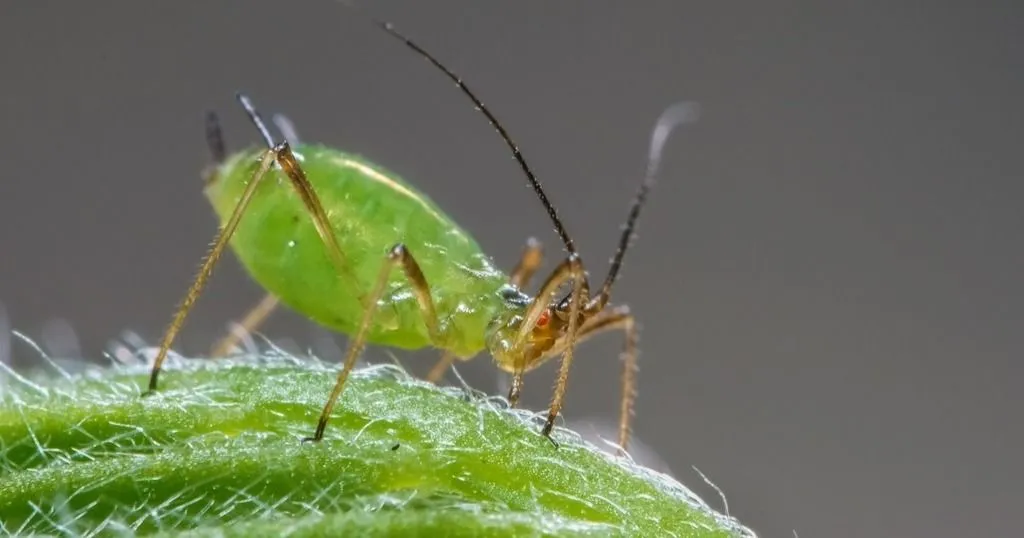
Identification of an aphid resistance gene in Arabidopsis
Karen Kloth used EntoLab in her research on the genetic basis of plant resistance to aphids. Genome-wide association mapping of aphid behavior on 350 natural Arabidopsis accessions led to the discovery of a new gene.
Thank you!
We'll get back to you shortly.
Please correct the following errors:
Thank you for registering!
We look forward to seeing you at the NoldusViso launch event.
Please correct the following errors: