Human Behavior Research Blog Posts

3 reasons to join us at Applied Human Factors & Ergonomics meeting (DriveLab)
The International Conference on Applied Human Factors and Ergonomics (AHFE) is held annually. Here is why you should attend.

Understanding consumer buying behavior
What predicts a sale, and what causes consumers to buy from a particular brand over another? To know how and why customers make decisions, you can take a deeper look at consumer behavior.

Studying posture development in infants at risk for autism
Research shows that early posture development is delayed in infants who are eventually diagnosed with an autism spectrum disorder (ASD). Understanding these delays helps to improve early diagnosis and intervention.
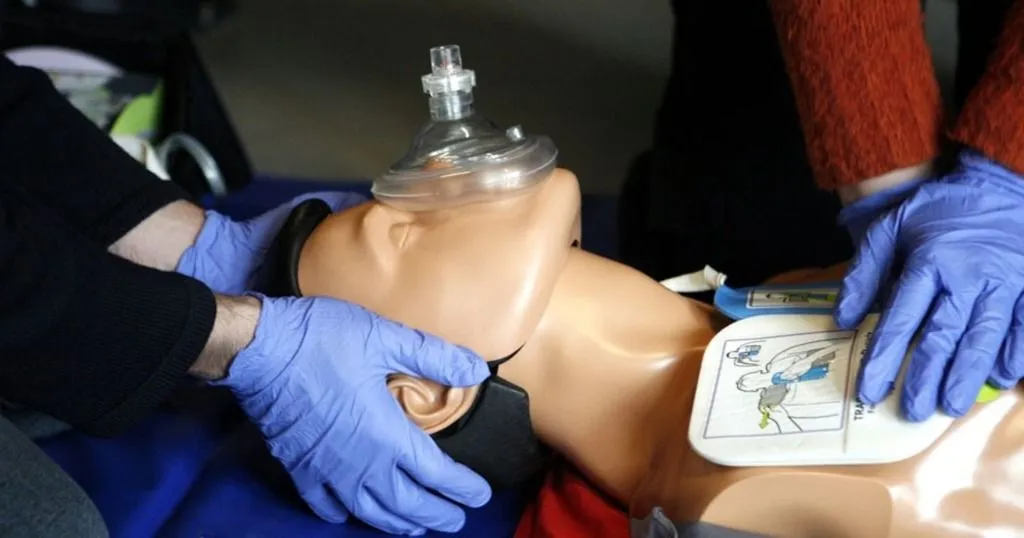
How to assess medical team effectiveness
Healthcare professionals working in an operating or emergency room, frequently deal with unpredictable situations in which they need to stay focused and think clearly. How do they manage that?
Cognitive neuroscience: the basics
What is cognitive neuroscience? As my professor once said, it is the overlapping science of the ‘dry and the wet’ part of the brain.
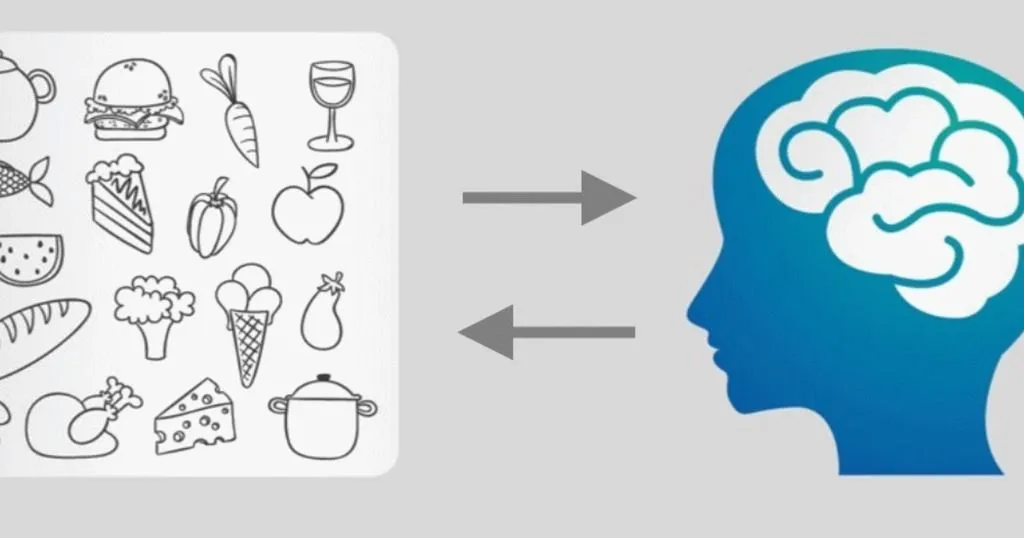
Food and Cognition project
The Food and Cognition project will form a cluster of partners in the East of the Netherlands, who will exchange knowledge on the topics of eating behavior, targeted nutrition and enabling technologies.
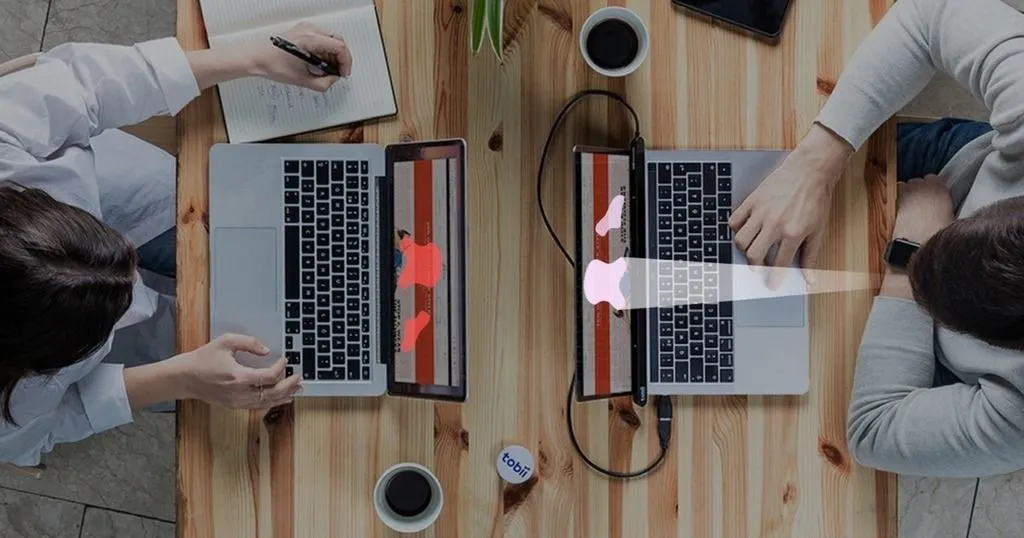
The ultimate list of usability lab software tools
For those of you interested in what we offer for usability studies, see how we can get you the analysis you need quickly, easily, and reliably with our UX tools. These are the Usability lab software tools you want to use!
Hemineglect - and how to study recovery from it
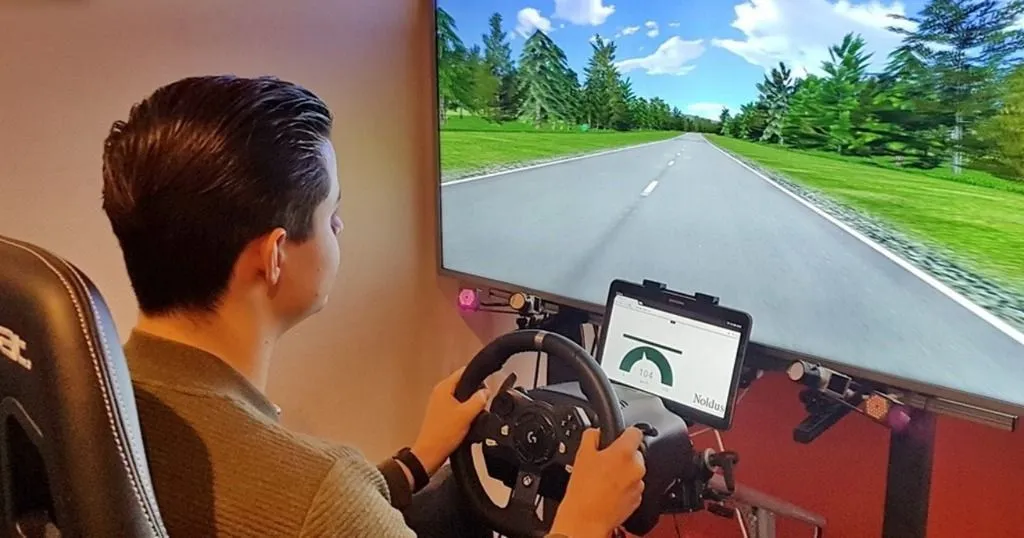
Hemineglect is a condition caused by strokes or brain damage in which part of the sensory inputs to the brain are ignored and it is as if that part of the world which is sensed doesn't even exist.
Two examples of on-site observational studies with older persons
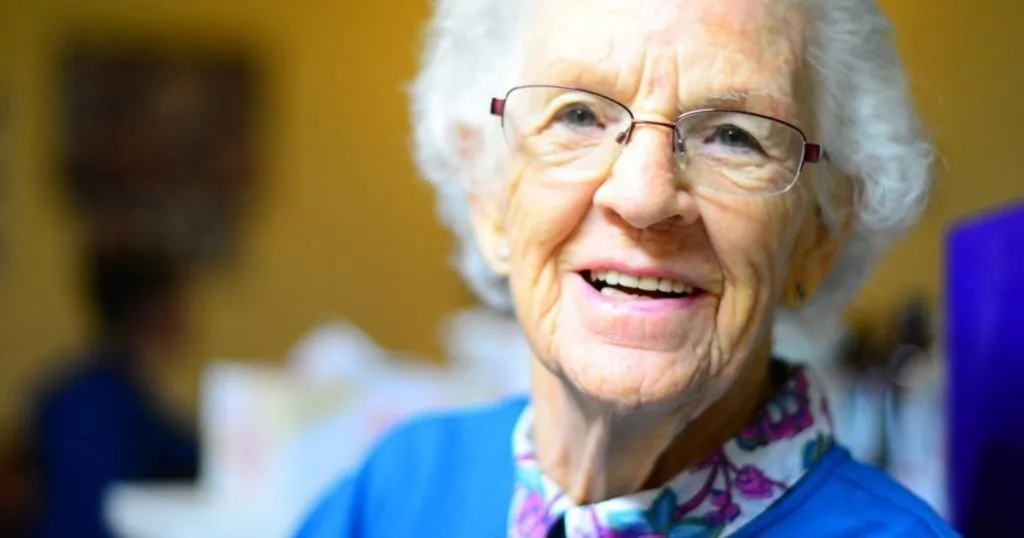
In certain cases, observations for your study are best performed on-site. In this blog, we describe examples of observational studies with older age groups, conducted at home or at a healthcare facility.

The effects of negative campaigning on emotions
Do people display different emotions when they watch a commercial with or without negative campaigns? Sabine Dennert shares her findings in this guest blog post.
What does an infant’s gaze tell us about how hungry they feel?
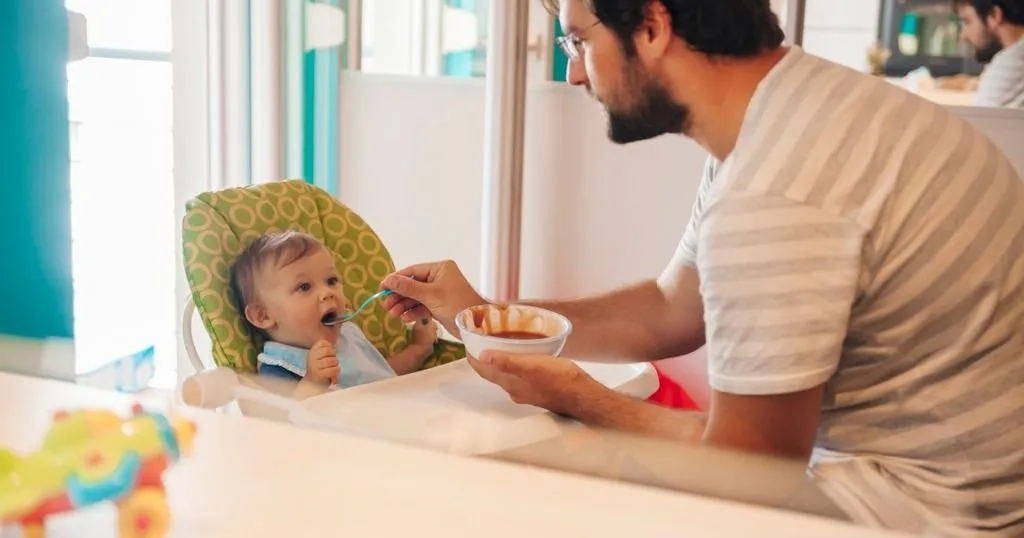
McNally and her colleagues developed a coding scheme to observe infant gaze behavior and applied it in a study of complementary feeding.
How do children interact with their older autistic siblings?
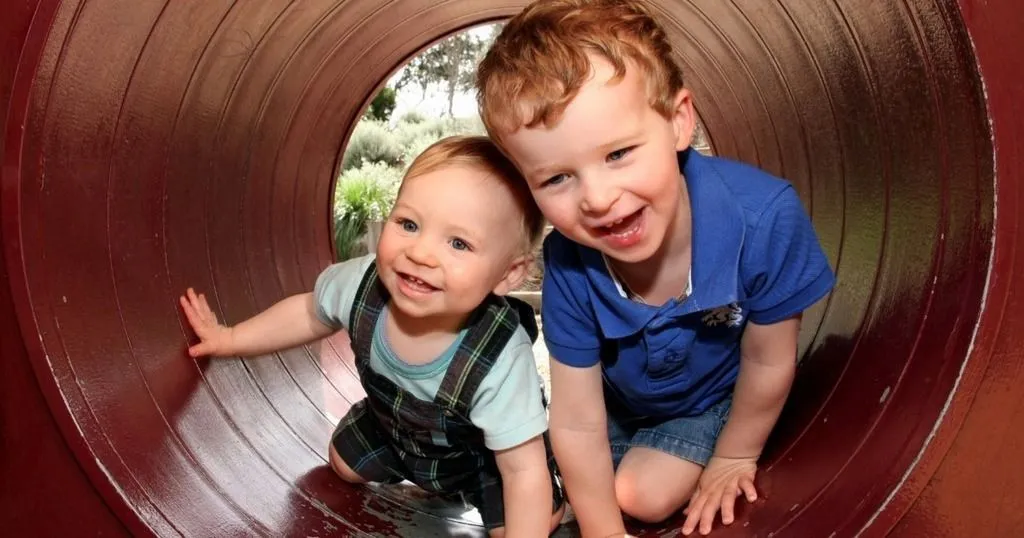
In celebration of World Autism Awareness Day, this blog post focuses on the social interactions between children and their older autistic siblings.
Thank you!
We'll get back to you shortly.
Please correct the following errors: