Posts by Gonny Smit
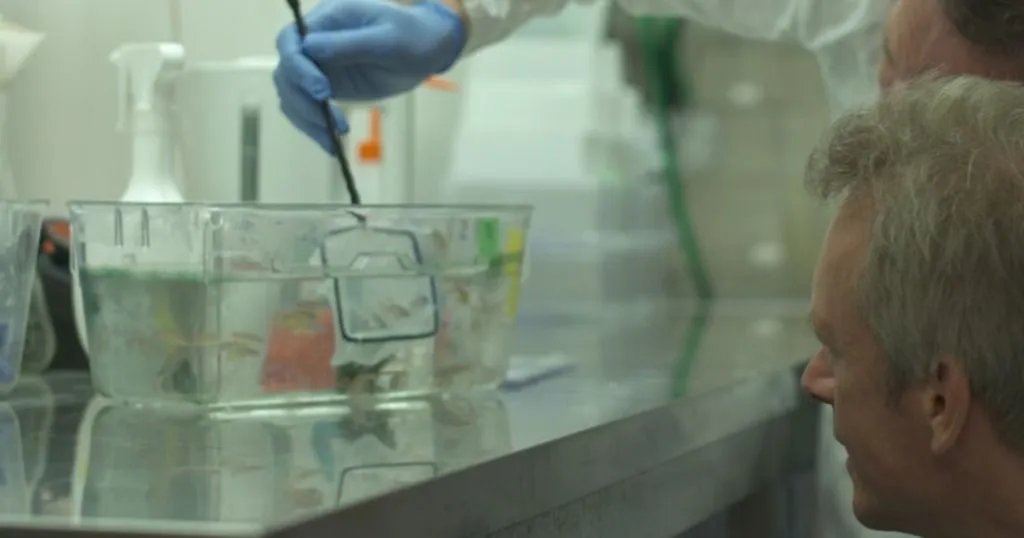
How to capture the 3D swimming patterns of fish
Zebrafish have more in common with humans than meets the eye. This is why they have become a “go-to” model in neuroscience research. But one difference remains: we walk and they swim.
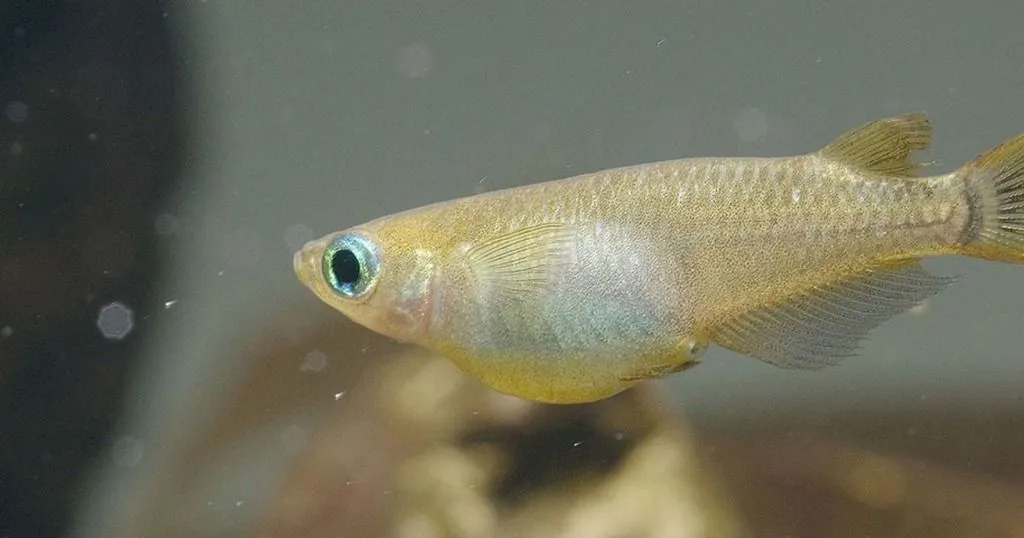
A new fish on the block: Japanese medaka in toxicology studies
We are all very familiar with zebrafish as a model species in neuroscience research. Today, let's talk about another fish, the Japanese medaka.
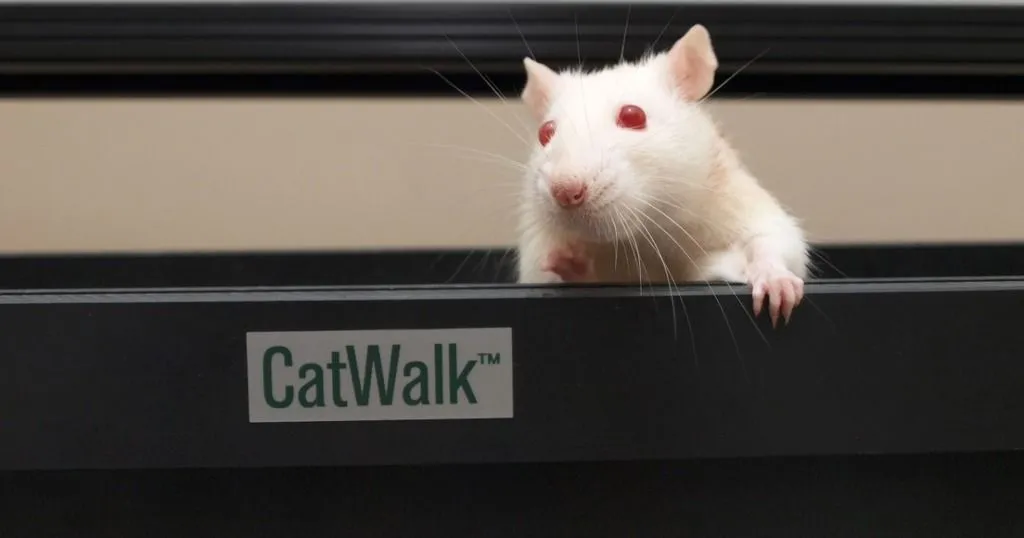
How to let rats run perfectly
Letting animals walk freely in gait research. At Noldus, we strongly believe this is the way to go, so that is how our CatWalk XT system works.
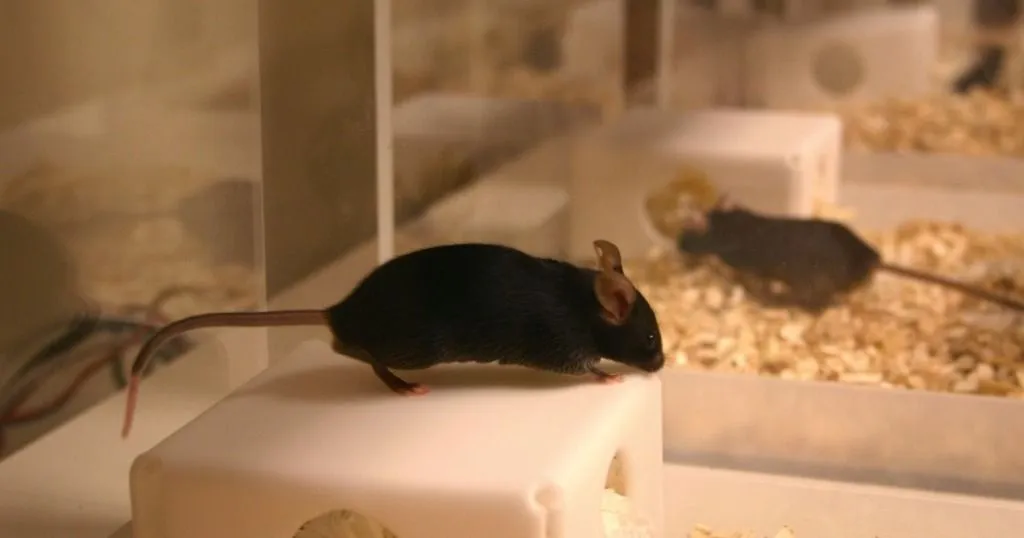
Mice in the spotlight: why you should perform your tests in a home cage
Mouse models are essential for neuroscience research. Many tests are susceptible to bias. Home cage testing provides a number of solutions.
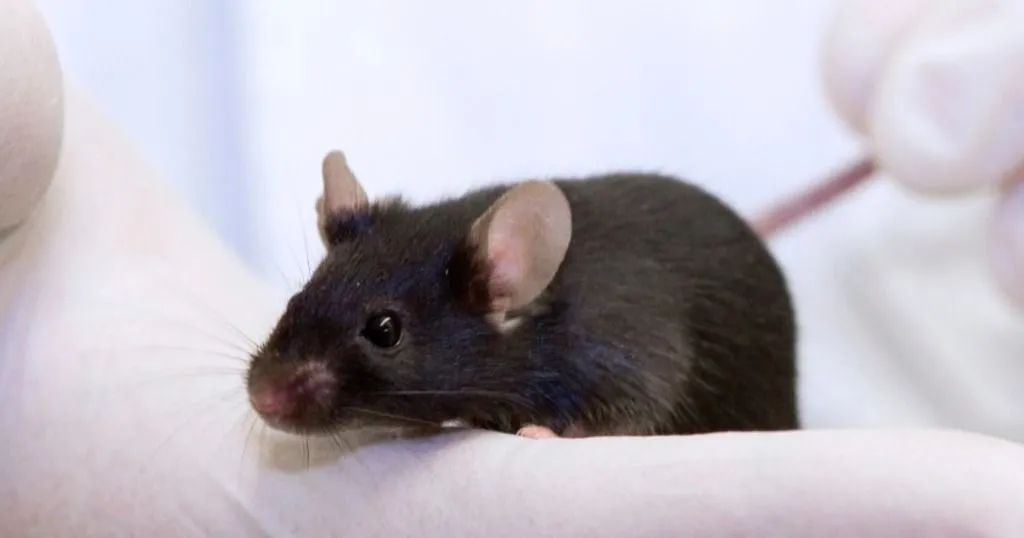
Behavioral effects of optogenetically induced myelination in mice
Myelination, the ‘ensheathment’ of neurons, is essential to the functioning of the central and peripheral nervous systems. So it is not surprising that problems with myelination can lead to a number of crippling diseases.
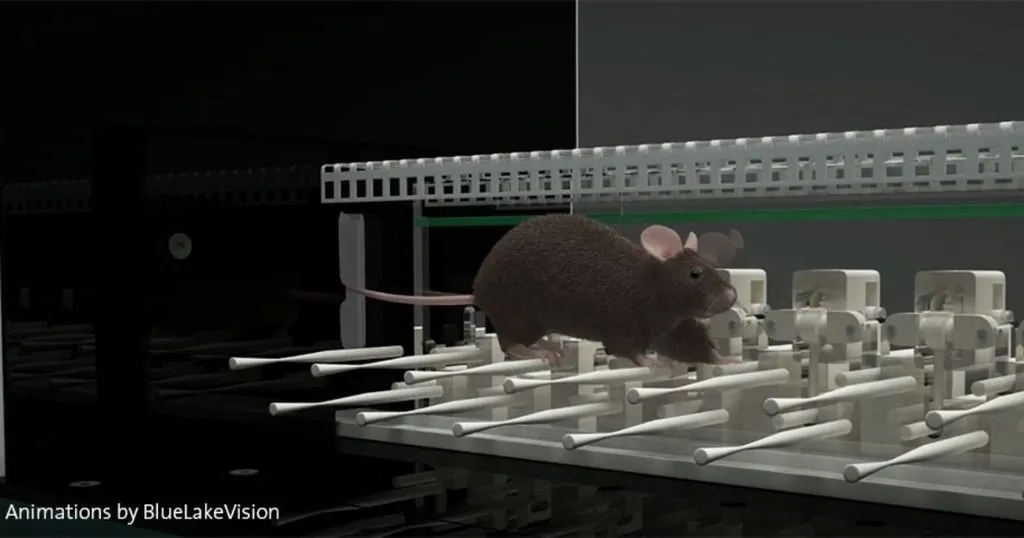
How to study ataxia
Ataxia is a common problem in Parkinson’s disease (PD), and many early onset Alzheimer’s disease patients (AD) also deal with it. Now there is a non-invasive test for mouse models.

Alzheimer's: prevent instead of cure?
Alzheimer’s disease (AD) is a huge public health issue as it affects a large part of the aging population. Neuropathology is studied primarily in the end stages of the disease. What about prevention?
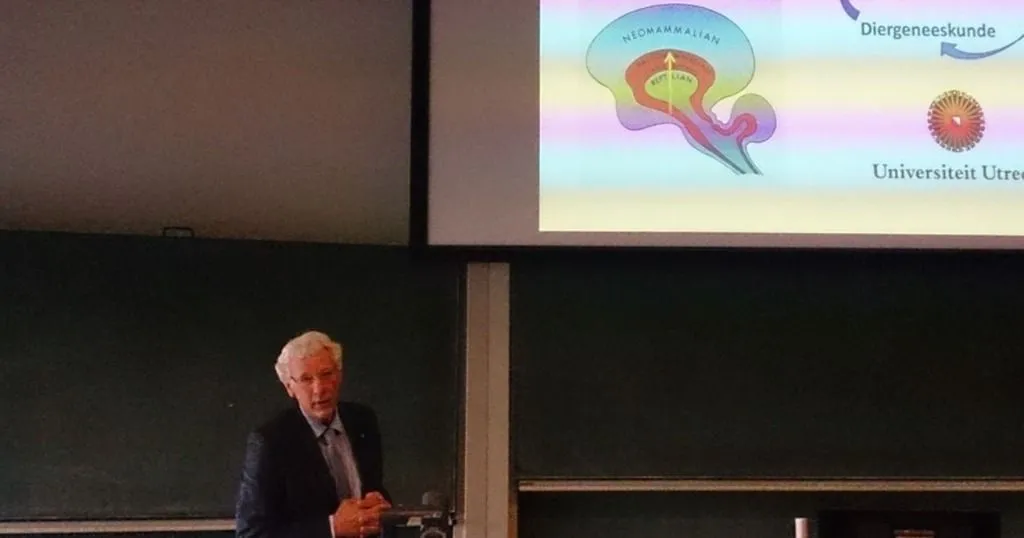
Prof. Berry Spruijt says goodbye (but not really)
Prof. Dr. Berry M. Spruijt recently retired from his position at Utrecht University. I had the honor of attending the symposium that was organized to reflect on and celebrate his career.
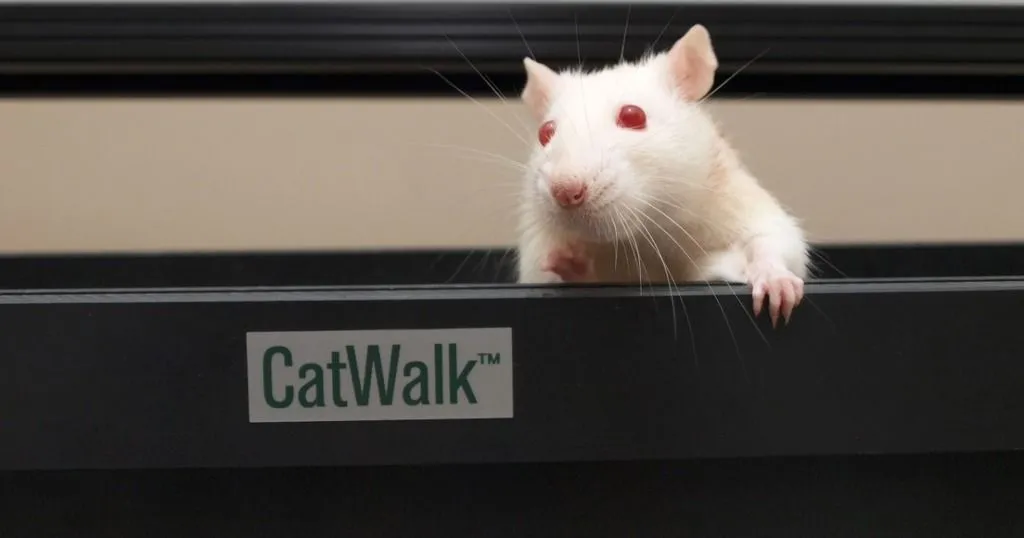
Gait research: let your animals walk freely
Researchers use different ways to analyze gait in animals. In what instances would a study benefit from a system that is based on voluntary walking?

10 behavioral studies on Alzheimer’s and Parkinson’s
This blog post features 10 interesting studies that use innovative techniques to study models of AD and PD and important underlying neuronal mechanisms.

How Ginkgo biloba helps treat Alzheimer’s
Xu Liu and colleagues recently investigated the effects of Ginkgo biloba extract on a mouse model for Alzheimer’s disease (AD).
Motivation and eating: deep brain imaging in freely moving mice
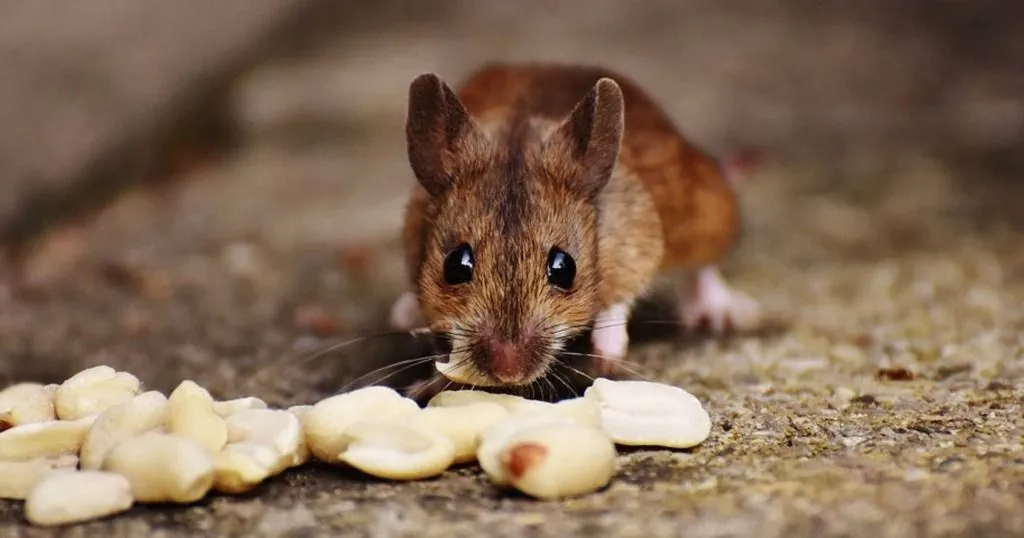
Craving a snack, the joy of eating it. The part of our brain that regulates this is the lateral hypothalamus. An interesting targer for addiction and eating disorder research.
Thank you!
We'll get back to you shortly.
Please correct the following errors: