Other (Animal) Blog Posts
Observing animal behavior is done in a wide variety of research areas, from fundamental neurosciences to wildlife behavior studies or farm animal welfare studies. Explore a range of diverse topics in animal behavior research. From social interactions to genetic influences, gain a comprehensive understanding of animal behavior in various contexts and in various species.
Does pesticide resistance make malaria mosquitoes “smarter”?
In one of my previous blog posts, I wrote about the success of insecticide treated bed nets in preventing malaria. In the past five years, mortality from malaria has dropped with 60%.
A new fish on the block: Japanese medaka in toxicology studies
We are all very familiar with zebrafish as a model species in neuroscience research. Today, let's talk about another fish, the Japanese medaka.
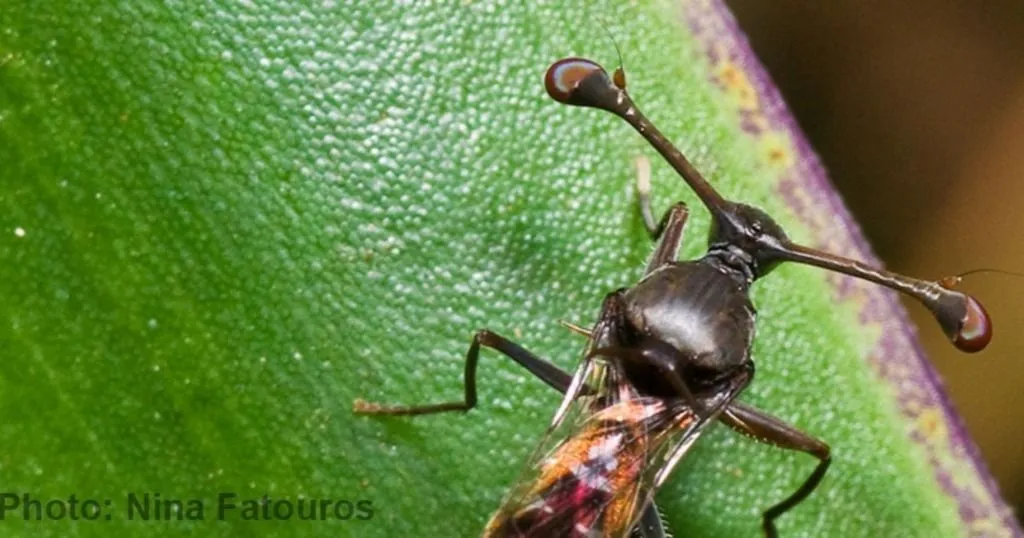
Bigger is not always better: hypothesis testing in sexual evolution
Sexual selection can lead to fascinating phenomena. We are all familiar with the fabulous color display of male peacocks to attract females. Less well known, but definitely not less interesting, are stalk-eyed flies.
A new approach in the battle against malaria
Bed nets treated with insecticide (ITNs) greatly decrease malaria illness and mortality. ITNs can decrease infant mortality from all causes by more than 20%.
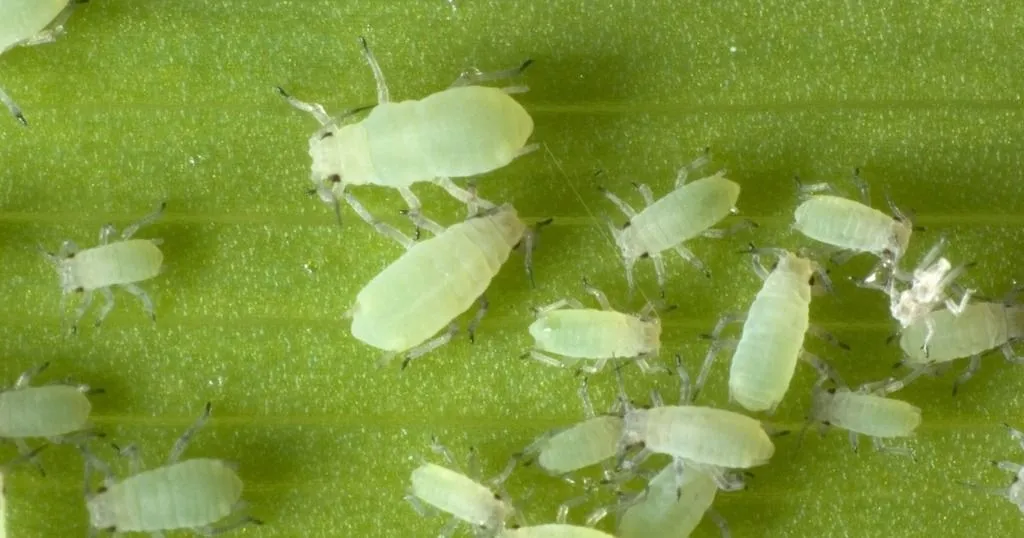
How you can efficiently screen for plant resistance to aphids
Aphids are small insects that pierce plant leaves and suck out their contents. Although they inflict limited physical destruction to the plant, aphids commonly infect plants with viruses, which can destroy complete harvests.

Prof. Berry Spruijt says goodbye (but not really)
Prof. Dr. Berry M. Spruijt recently retired from his position at Utrecht University. I had the honor of attending the symposium that was organized to reflect on and celebrate his career.

Which head and neck positions are stressful for your horse during lunging?
Being a horse owner and a Noldus employee is the perfect combination when it comes to keeping track of the scientific background for my horseback riding hobby.
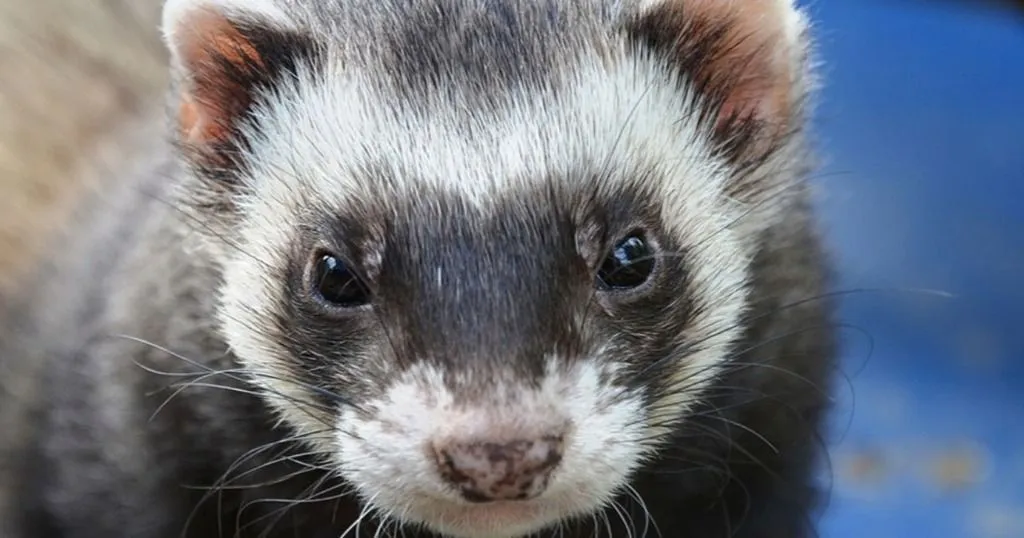
Video-tracking the effect of influenza infection on ferrets
Ferrets are the ideal animal model to assess influenza virus infection and pathogenicity as they display similar clinical symptoms to humans such as sneezing, fever and lethargy.
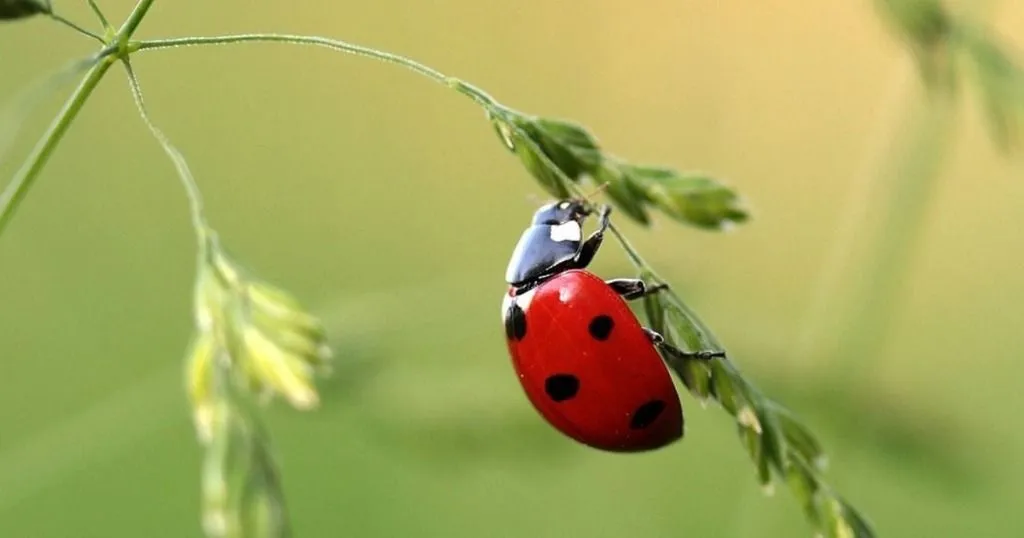
Ladybugs and lacewings do not spy on their prey’s alarm pheromone
Leaf sucking creatures like plant aphids are common and can cause considerable damage to plants. Therefore, quite a lot of effort is made to control these tiny creatures.
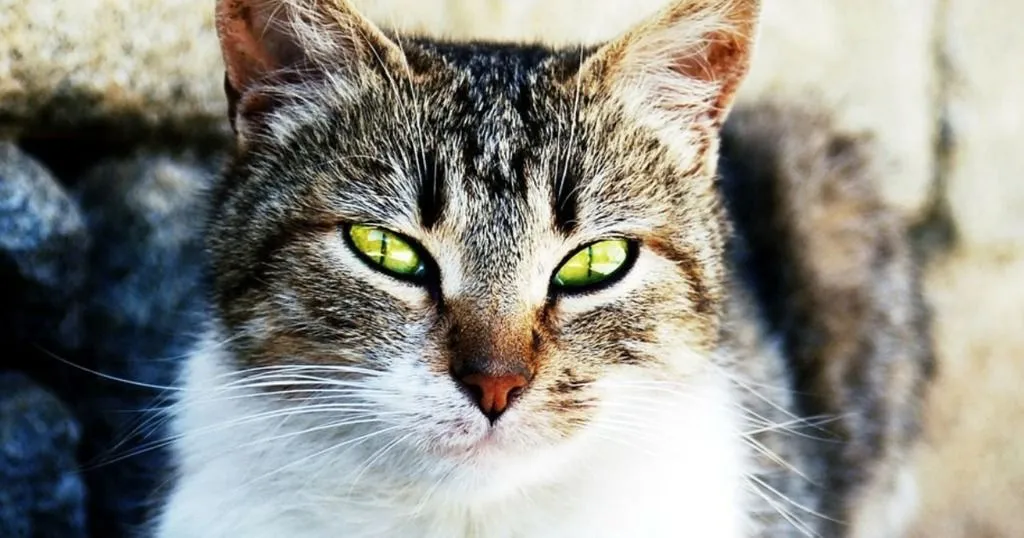
Picky cats and tasty food – sniffing is an indicator for tastiness
Cats can be extremely picky when it comes to food. If the cat doesn’t like it, it will refuse to eat. Reason enough for the pet food industry to try to find out what cats really like.
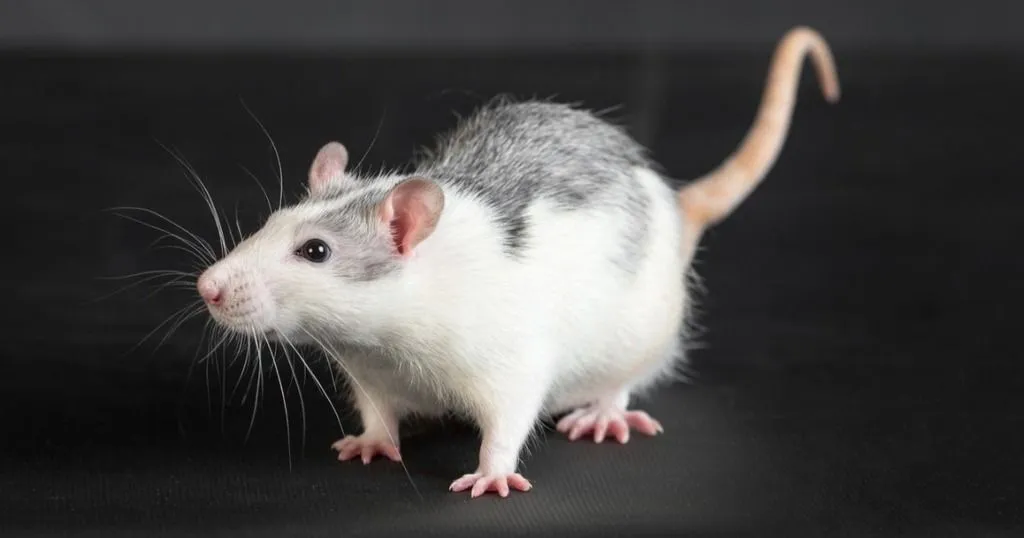
Walking the ladder: testing the cellular source of motor functioning in mice
The cerebellum, our “little brain”, is all about motor control; more specifically, it’s about coordination, precision, and timing.

What a horse likes to eat: how to test dietary preferences
Redgate and colleagues looked into the addition of a monadic phase (a phase in which only one food was offered at a time instead of all of the options) to choice testing.
Thank you!
We'll get back to you shortly.
Please correct the following errors: