Blog Posts Tagged: home cage
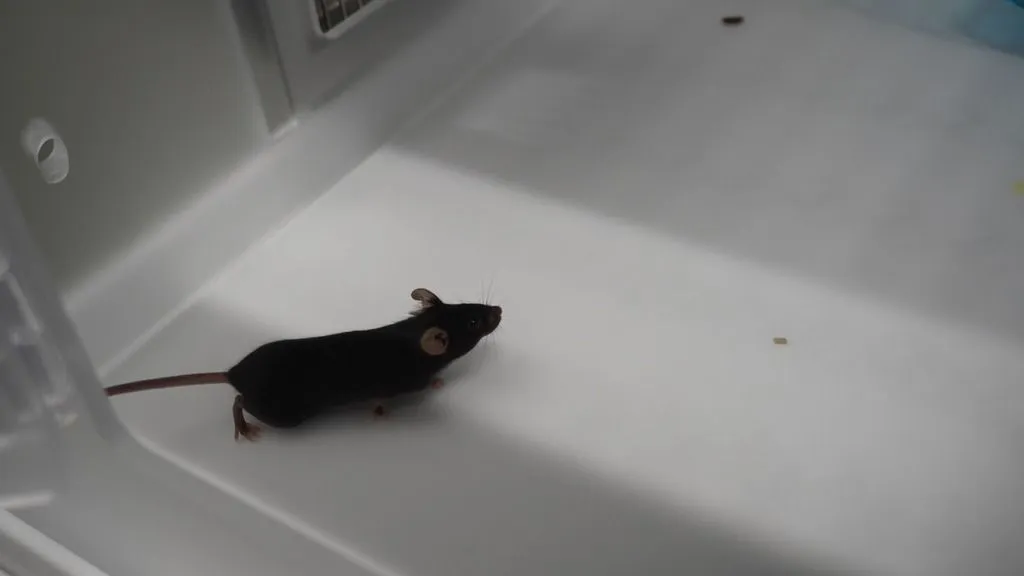
FAQ: Getting started with PhenoTyper
What is the best lighting for my experiment? How do I clean my system? Can I use any bedding for my set up? These are all valid questions when you are starting out with PhenoTyper. In this blog we will cover some of the most asked questions.
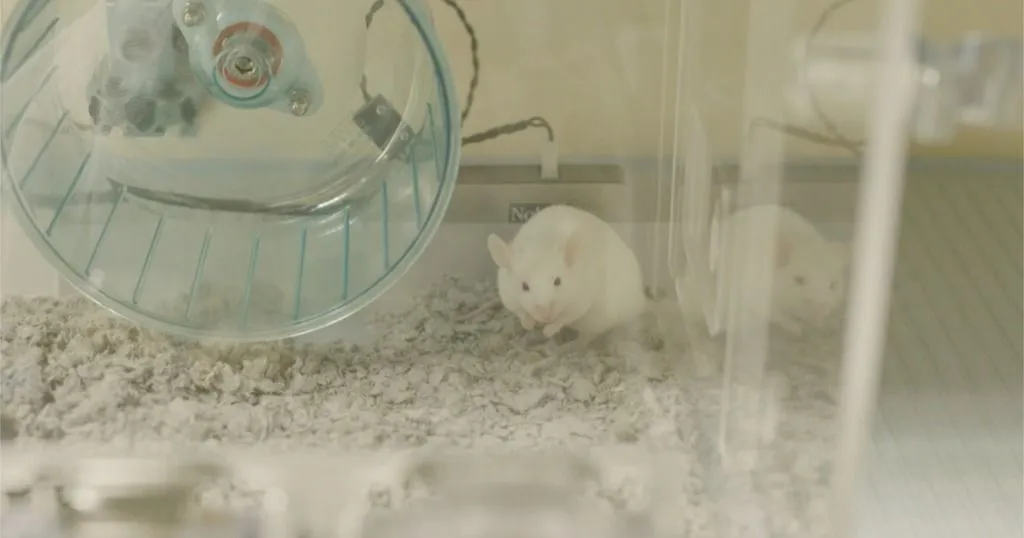
Home cage behavior and epilepsy in the Stargazer mutant mouse
Using long-term home cage behavioral research, scientists successfully created a behavioral characterization of Stargazer mutant mouse, a model often used in epilepsy research.
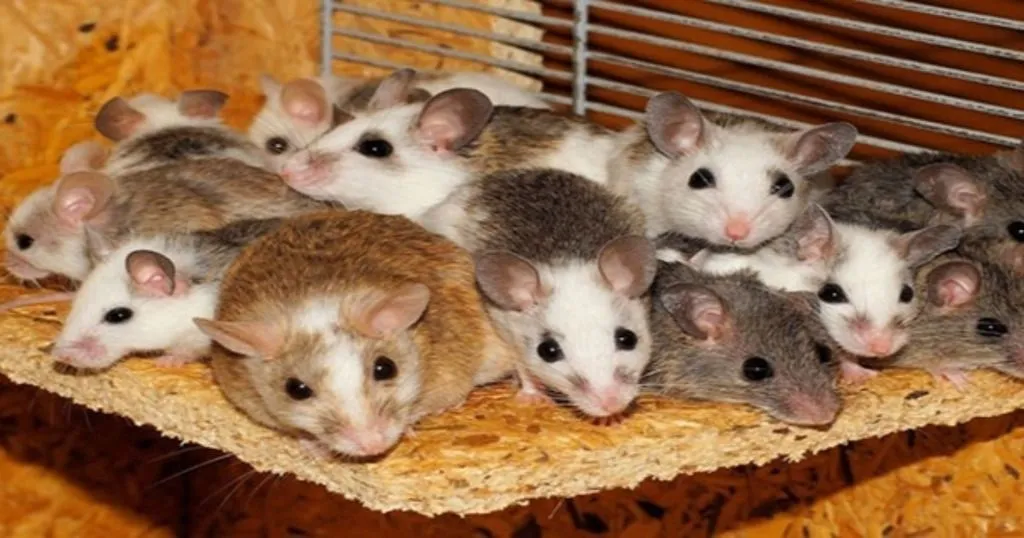
Determining the best housing strategy for mice
When using animal models for scientific research, their welfare should be a priority. Here, we're looking at the effects of different housing strategies for mice, and how PhenoTyper provides researchers with insight.
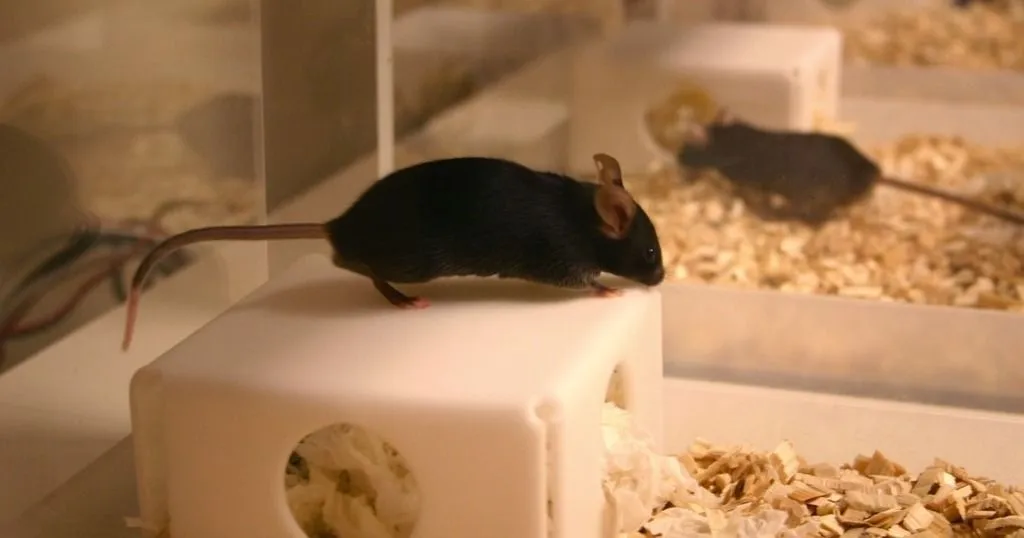
Scientific collaboration at its best: Home cage monitoring reviewed
The latest insights and views on home cage monitoring was reviewed by Grieco et al. A collaborative paper with an expert team on home cage behavior was published last week. This blog touches upon their findings!
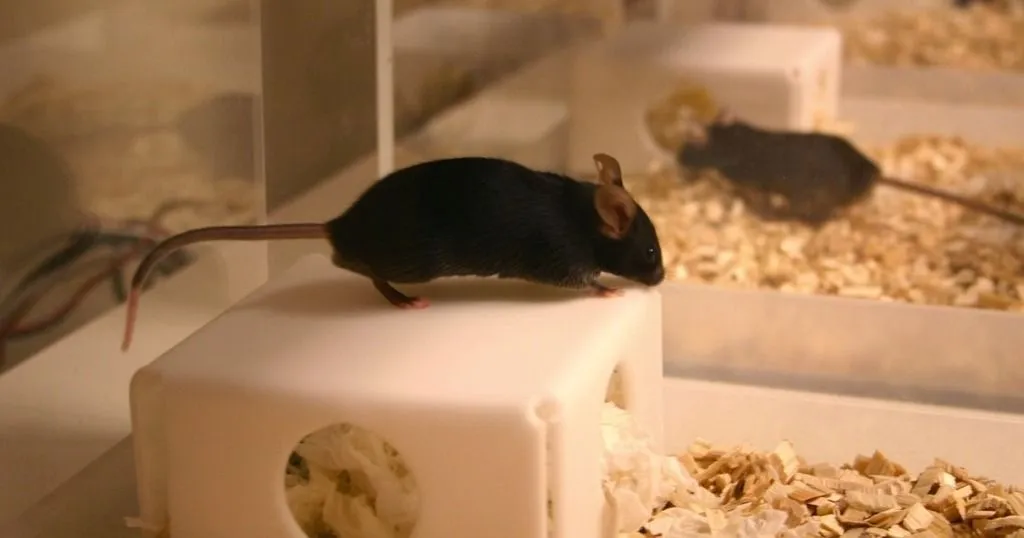
Non-invasive home cage testing of epilepsy in mice
Epilepsy is more than seizures; behavioral changes that occur in between seizures are rarely assessed. A new home cage study from the Baylor College of Medicine aims to change this.
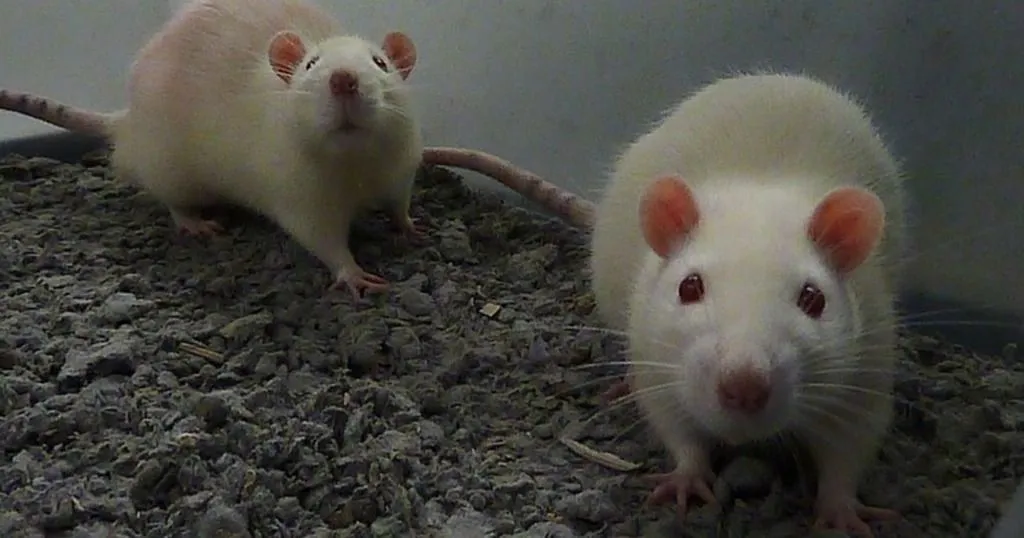
Towards automated homecage monitoring of group housed rats
Rodent social behavior is important in research on neuropsychiatric disorders, but major limitations hamper progress.
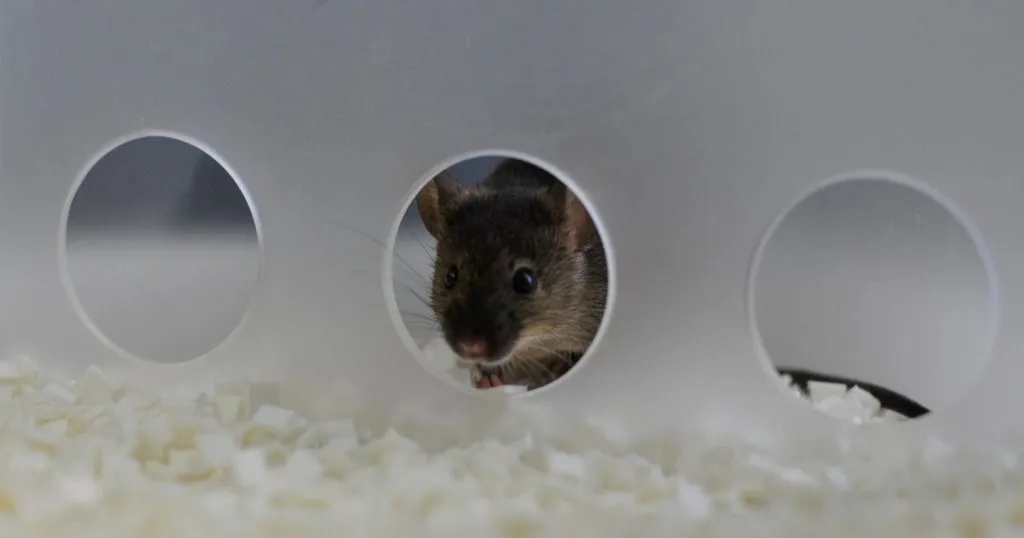
Discrimination learning without human intervention or food restriction
Sylics recently introduced CognitionWall, a new paradigm for discrimination learning in the home cage that avoids the necessity for food restriction and handling in learning tests.
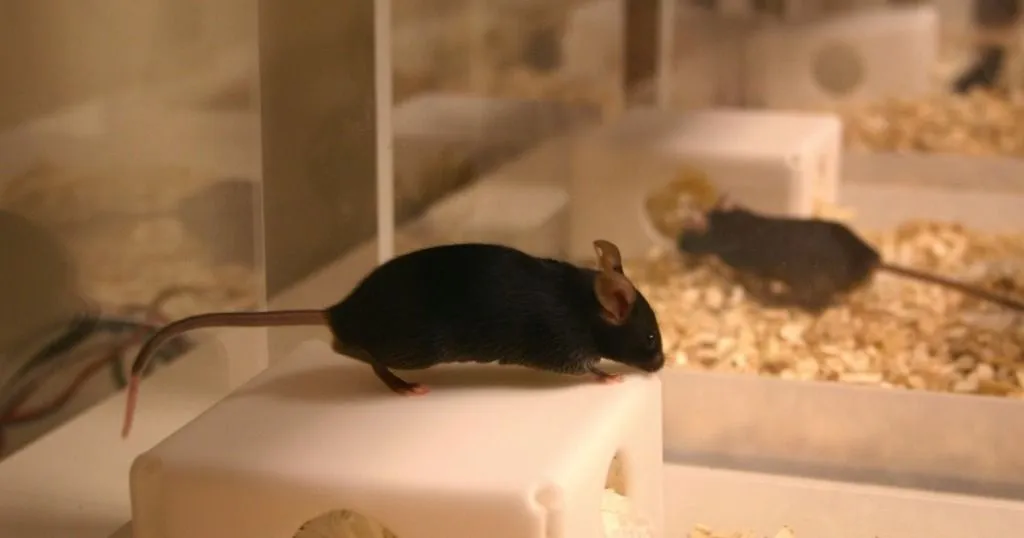
Mice in the spotlight: why you should perform your tests in a home cage
Mouse models are essential for neuroscience research. Many tests are susceptible to bias. Home cage testing provides a number of solutions.
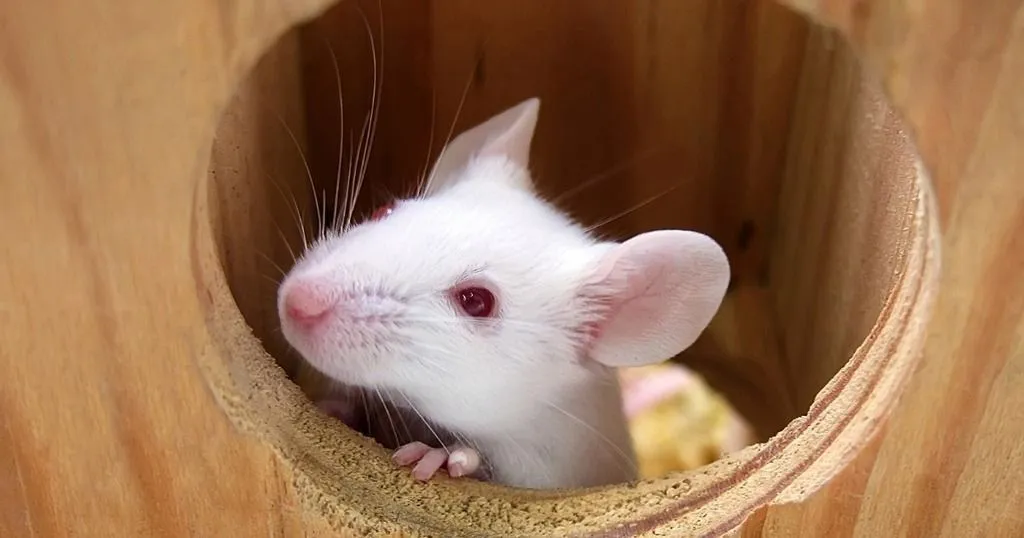
A high-throughput method to screen natural behavior of mice
Traditional standard tests with rats or mice are carried out immediately after human interference. Therefore, the behavior of the animals may not be natural and spontaneous.
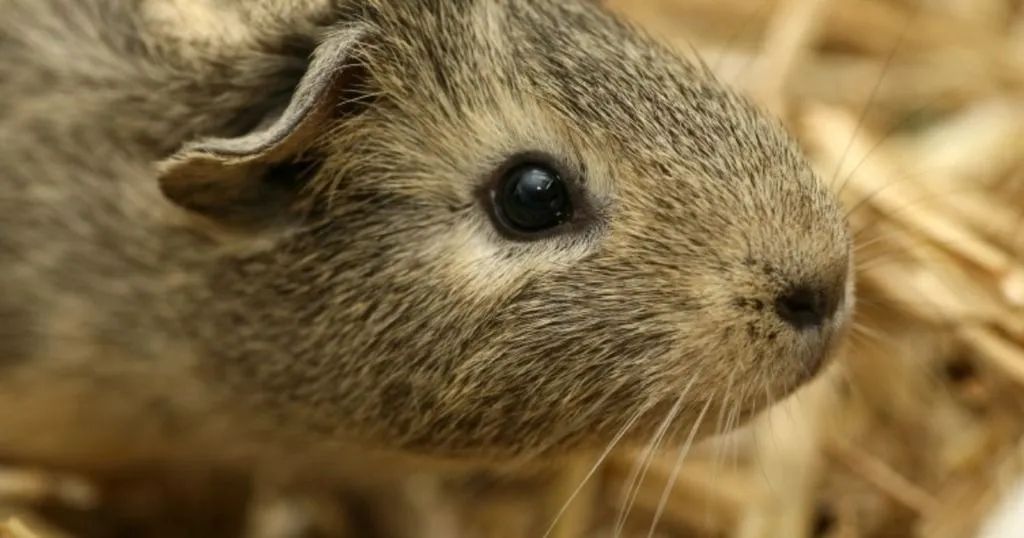
Why guinea pigs are just like us
If zebrafish are the new mice, guinea pigs might be the new rats. Guinea pigs differ from mice and rats, and that just might make them more suitable due to the fact that these results are more easily translated to humans.
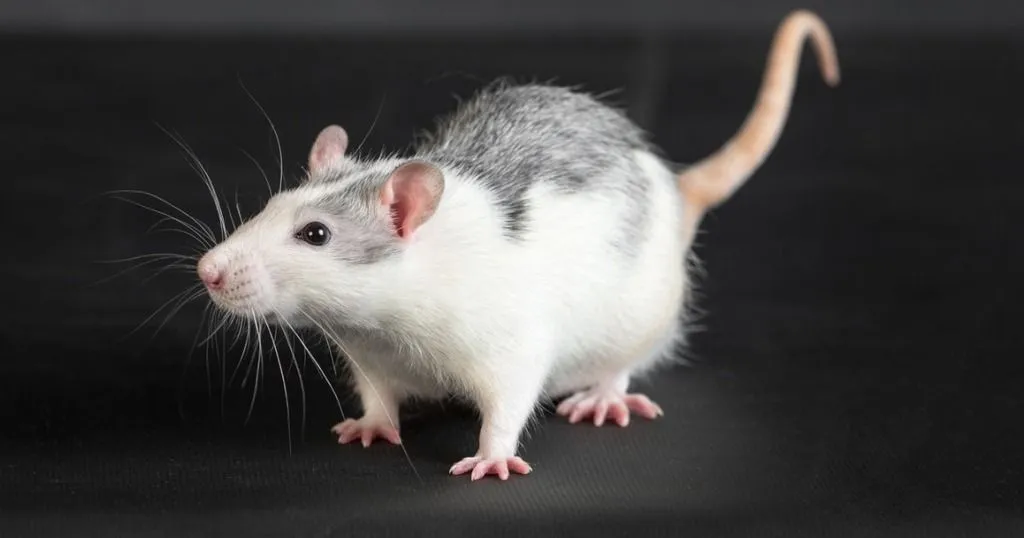
Unraveling the chemistry of mood disorders
The most common psychiatric disorders are mood and anxiety related. However, the underlying mechanisms of these diseases are still largely unknown. This complicates the development of effective treatment and drugs.
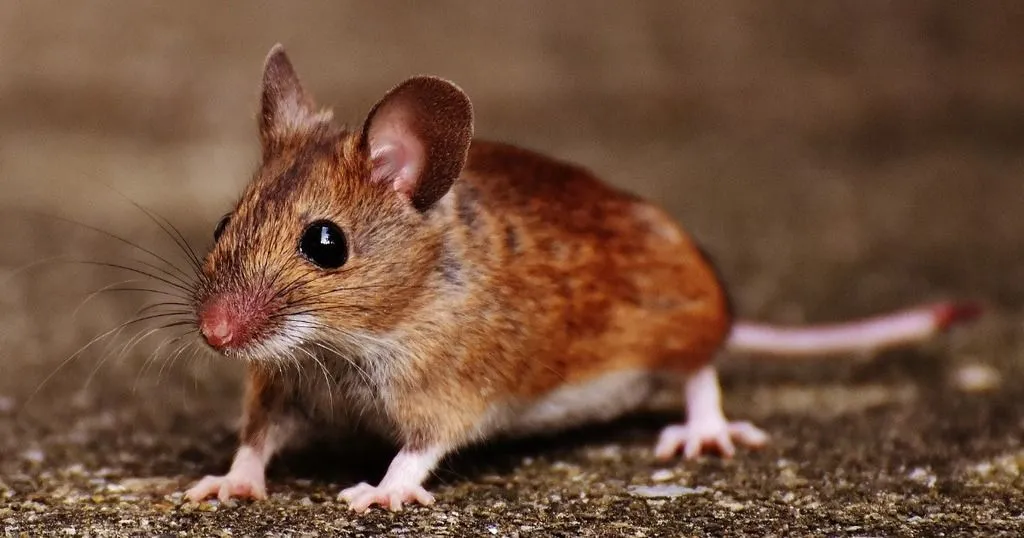
Testing without stress: high-throughput phenotyping
The ability to recognize harmful situations and respond accurately is important for the survival of any animal. In order to respond to these situations the animal must be able to learn, remember, and alter its behavior.
Thank you!
We'll get back to you shortly.
Please correct the following errors: