Blog Posts Tagged: insects
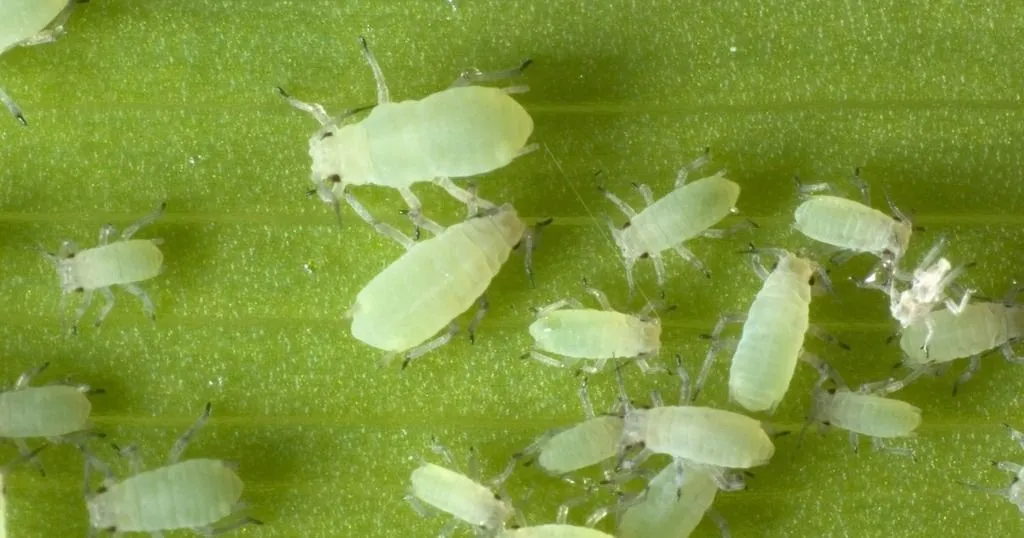
High-throughput screening of plant lines for resistance to pest insects
The EthoGenomics project focused on screening for host plant resistance to insect pest species. Video tracking provides the possibility to scale up the screening method largely.
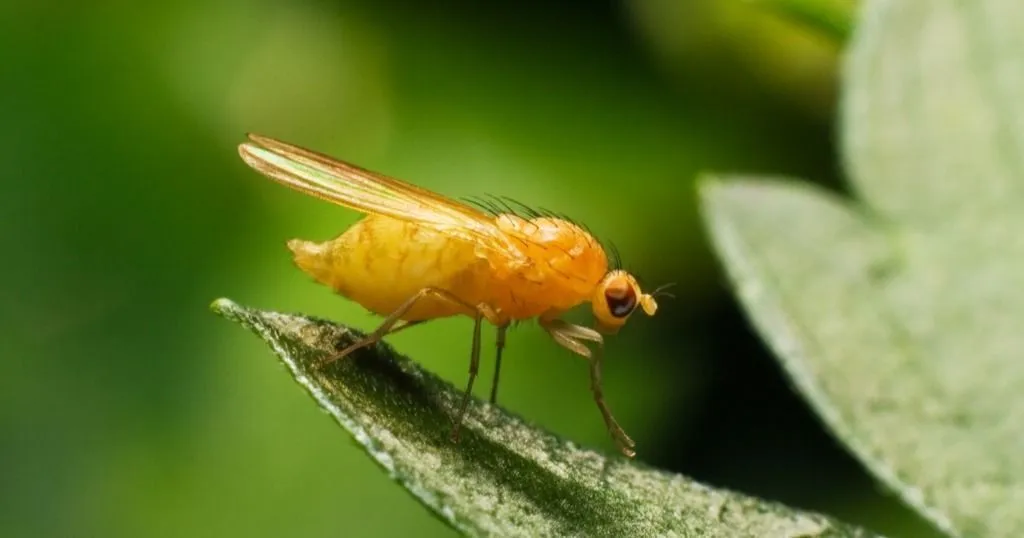
How fruit flies find your food (and mates!)
Those tiny flies that take over your garbage cans during the summer? They are called fruit flies for a reason! They have a fantastic sense of smell and these tiny creatures are a popular animal model for researchers.

The bat - moth aerial battle in 3D
Moths arrived first on the evolutionary stage; when much later on bats appeared with their sophisticated apparatus for echolocating prey, moths were forced to change or die.
Does pesticide resistance make malaria mosquitoes “smarter”?
In one of my previous blog posts, I wrote about the success of insecticide treated bed nets in preventing malaria. In the past five years, mortality from malaria has dropped with 60%.
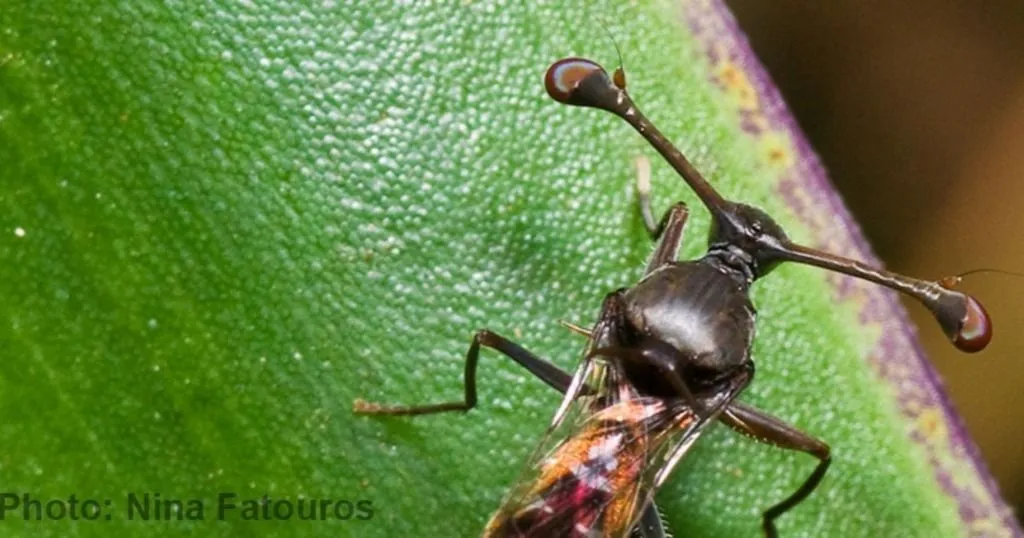
Bigger is not always better: hypothesis testing in sexual evolution
Sexual selection can lead to fascinating phenomena. We are all familiar with the fabulous color display of male peacocks to attract females. Less well known, but definitely not less interesting, are stalk-eyed flies.
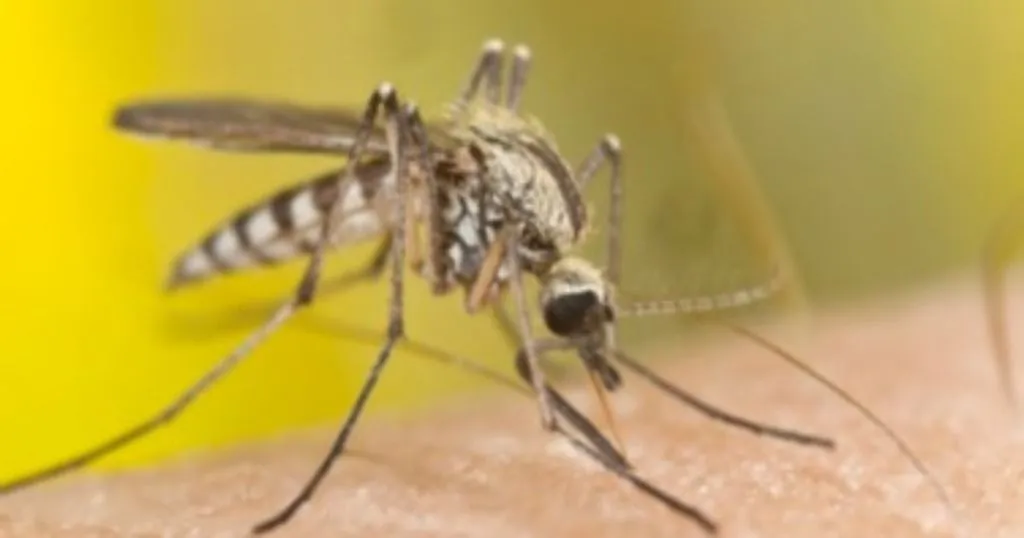
A new approach in the battle against malaria
Bed nets treated with insecticide (ITNs) greatly decrease malaria illness and mortality. ITNs can decrease infant mortality from all causes by more than 20%.
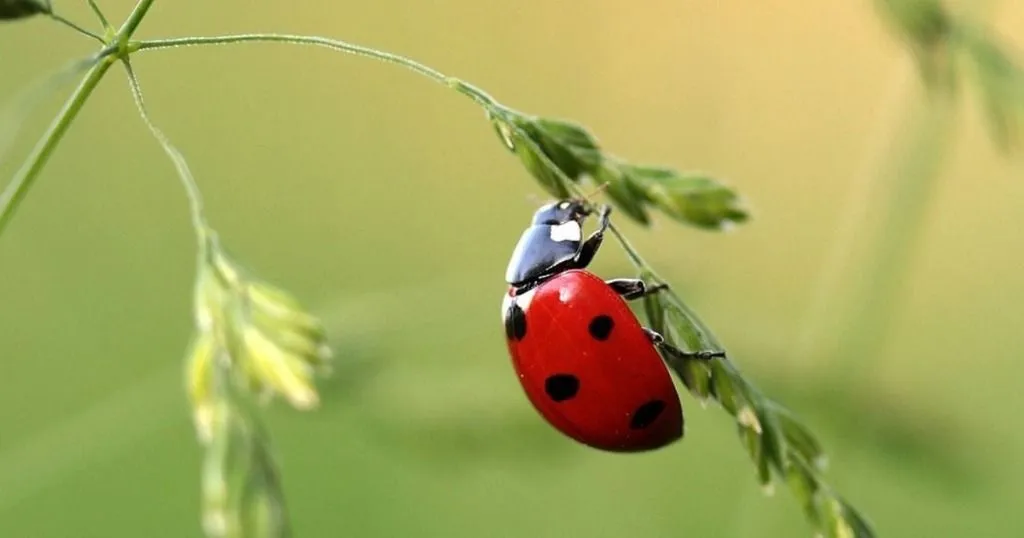
Ladybugs and lacewings do not spy on their prey’s alarm pheromone
Leaf sucking creatures like plant aphids are common and can cause considerable damage to plants. Therefore, quite a lot of effort is made to control these tiny creatures.
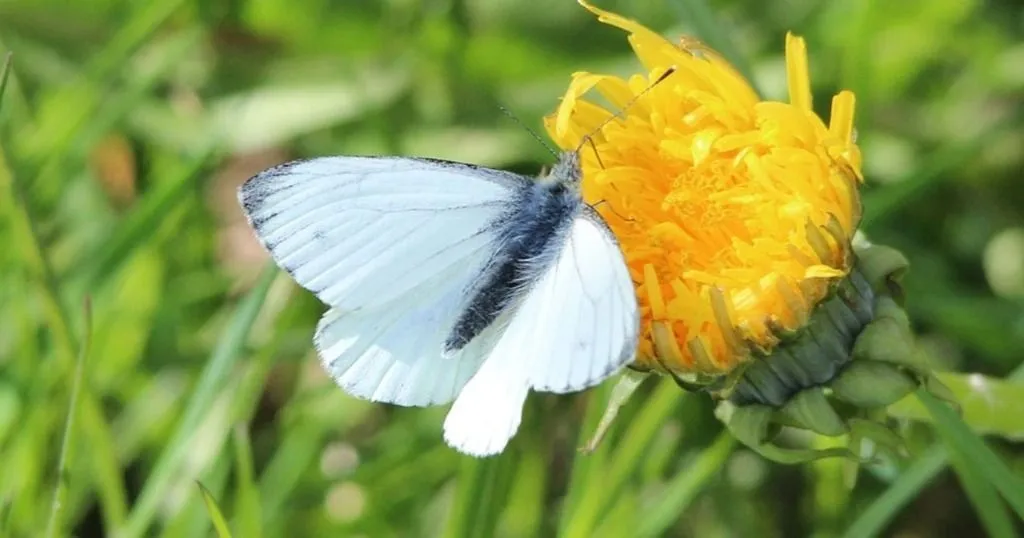
Insect damage on leaves changes the reproductive strategy of plants
We all know that the majority of plant species depends on pollinators, like bees and syrphid flies, for reproduction. What most of us do not know is that this process is far more complex than it looks at first sight.
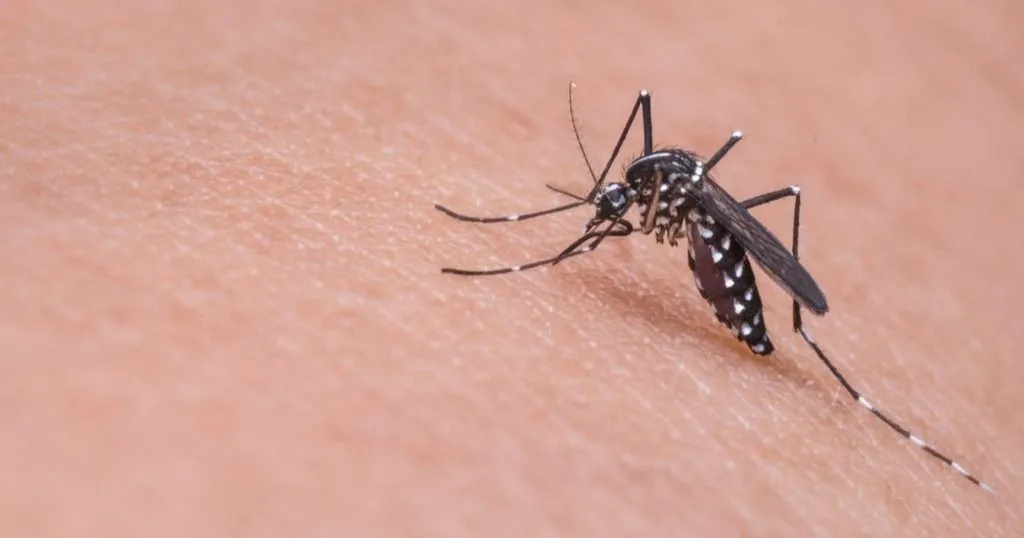
Smelly feet and heat – how malaria mosquitoes find their hosts
It seems that mosquitoes use human body odor to locate suitable hosts, and different people smell differently to mosquitoes.
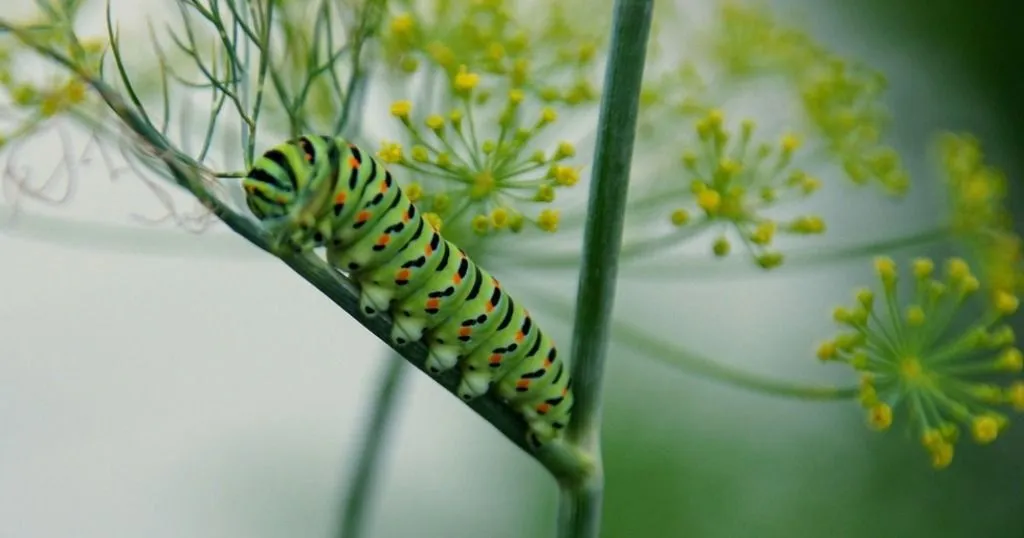
Caterpillars speed up seed production in plants
Did you know that plants are not as passive as they appear to be at first sight? Although plants cannot run away when they are attacked by plant eating insects, they have several sophisticated ways to defend themselves.

Plants with more linalool smell good, but taste bad
Plant volatiles play an important role in the interaction between plants and insects that eat them. Insect damage very often induces plants to produce volatiles.
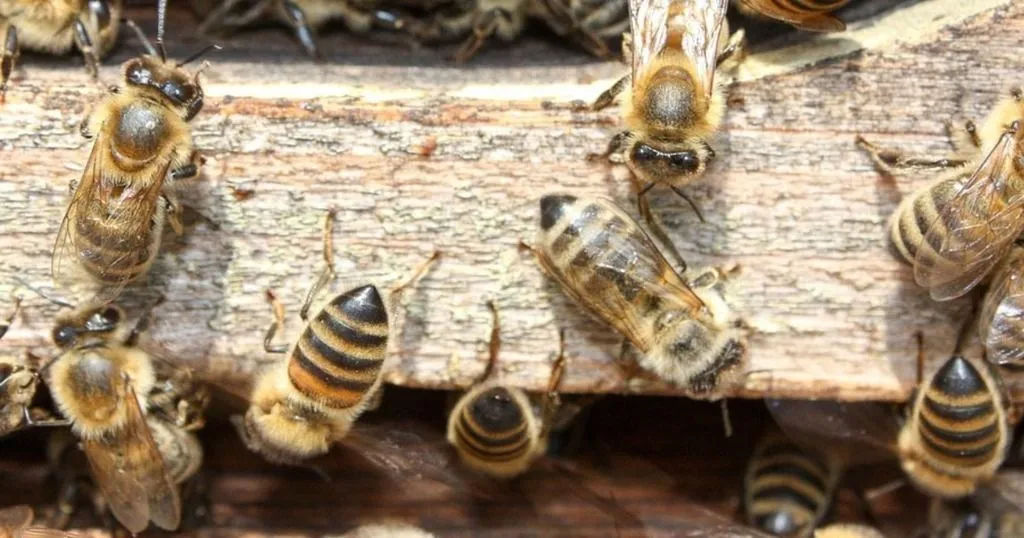
Pesticides in bee colonies affect the behavior of bees
In the past 20 years, populations of honeybees have declined all over the world. This is partly caused by the increased occurrence of parasites and pathogens.
Thank you!
We'll get back to you shortly.
Please correct the following errors: