Blog Posts Tagged: labs
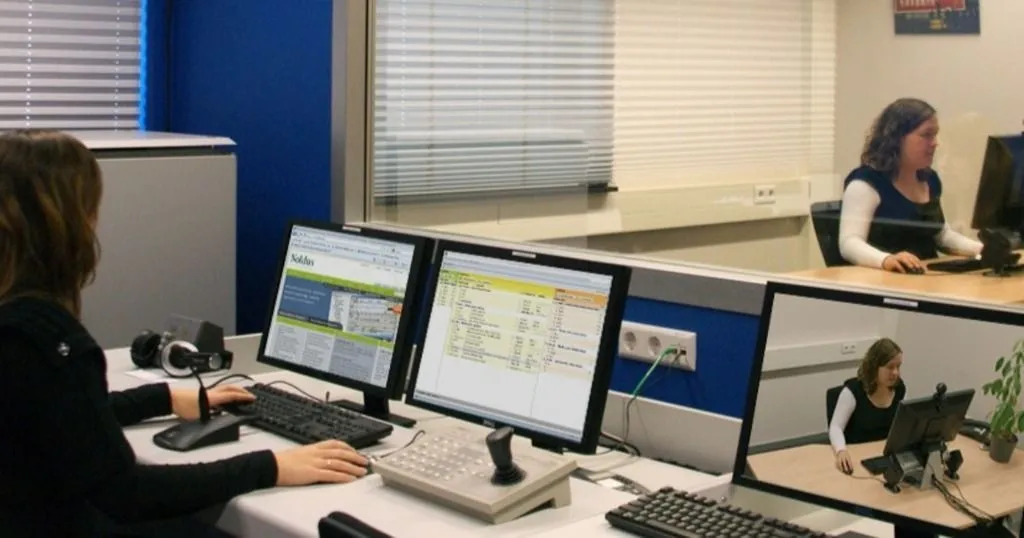
How to collect high quality data in an observation lab
Controlled conditions and accurate data recording are key in scientific success. A stationary observation lab provides these controlled conditions while allowing scientists to observe test participants unobtrusively.
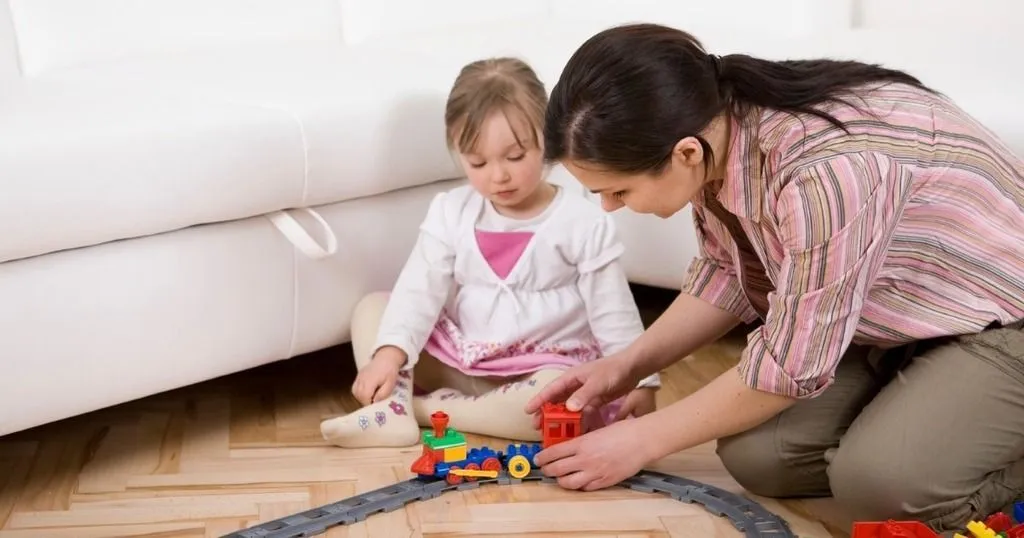
Parent-child interaction in autism: play behavior
Stephanny Freeman and Connie Kasari observed play behavior in an observation lab. They invited parents with their children to their observation lab and coded behavior in great detail.

Learn about people's behavior by observing them
An observation or usability lab allows researchers to observe test participants unobtrusively, in an environment similar to the participant’s natural surroundings.
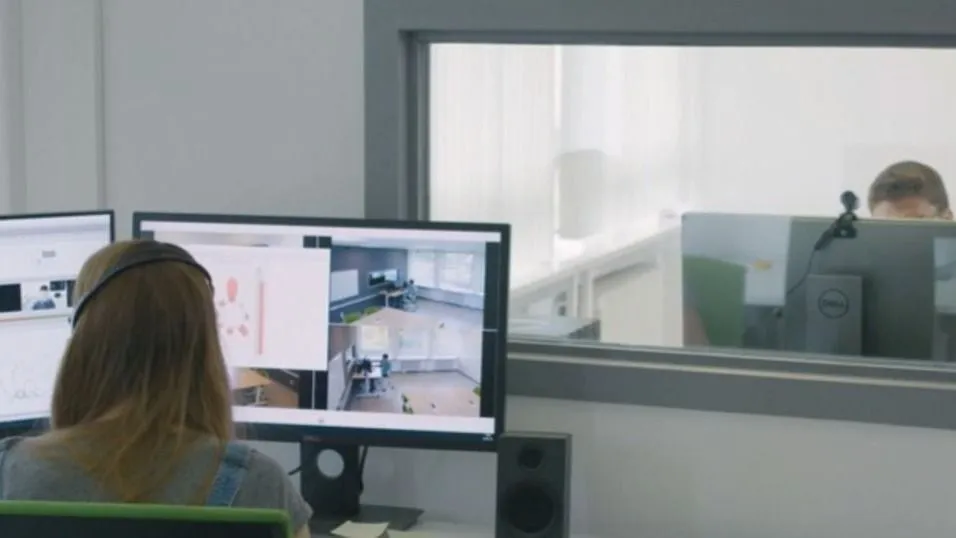
How to conduct research with human participants during COVID-19
Are you going to pick up research with human participants again? Here are some useful tips to ensure safety and hygiene in a corona-proof lab.

Two examples of on-site observational studies with older persons
In certain cases, observations for your study are best performed on-site. In this blog, we describe examples of observational studies with older age groups, conducted at home or at a healthcare facility.
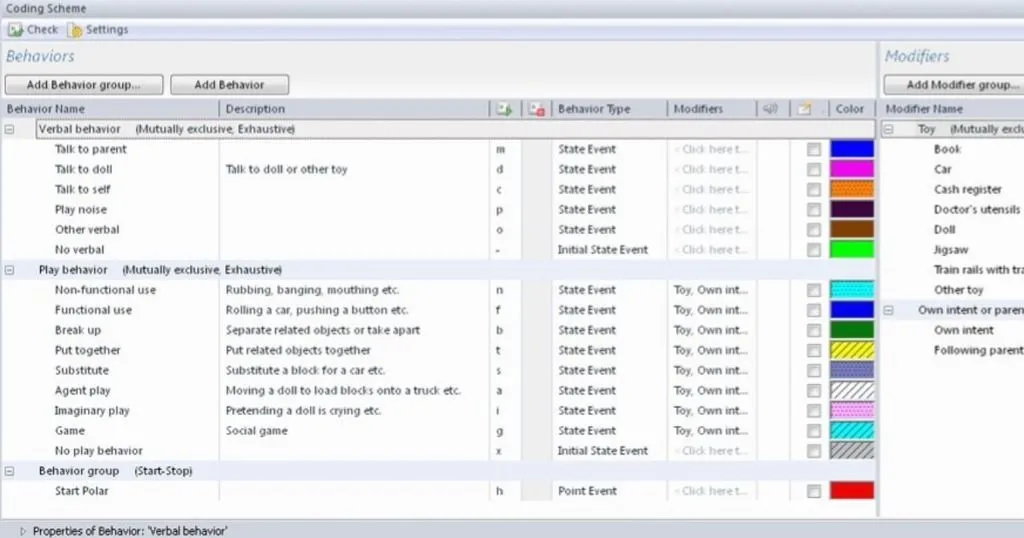
7 Tips how to set up a coding scheme
The coding scheme or ethogram determines what data you collect and is, thus, an essential part of your behavioral study. Tips to set up a coding scheme (+free white paper with all 7 tips to set-up your coding scheme).
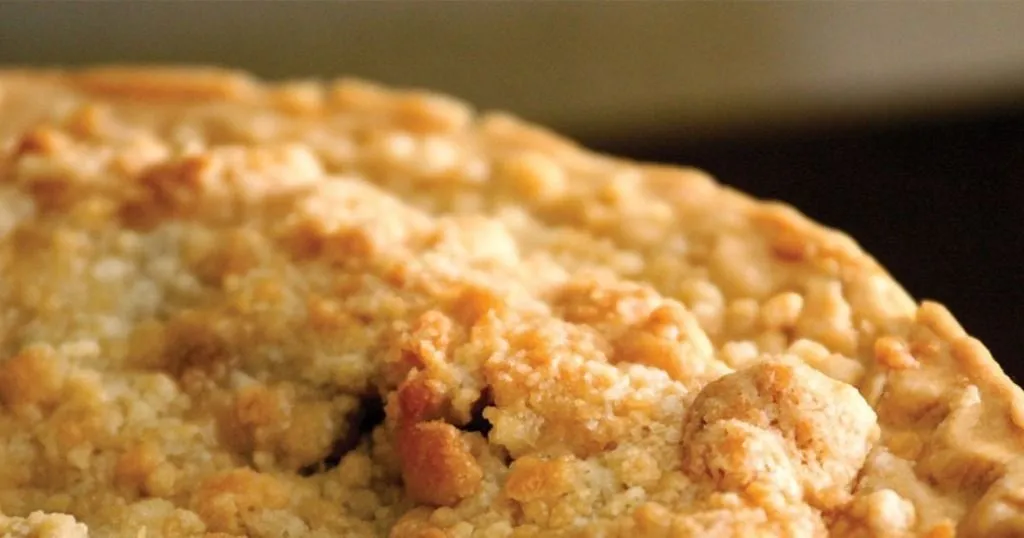
Consumer research – what determines food satisfaction?
In a recent study, Barbara Andersen and Grethe Hyldig from the National Food Institute of Denmark zoomed in on food satisfaction from a consumer perspective.

Behavior and emotions of older adults
Can TV footage motivate older persons to start being more active? Being active can improve the overall health of a person (65+ but of course also 65-!).

Video tracking of children with autism
Automated video tracking is a valuable tool for studies on animal models of autism (ASD). Diagnosis of ASD is based on behavior alone in humans, so naturally, behavior is an important part of human as well as rodent studies.

Infant behavior experiments
When a baby is born prematurely, this baby and his or her parents often experience a rough start. You can think about eating problems, high risk of infection, or even anemia.
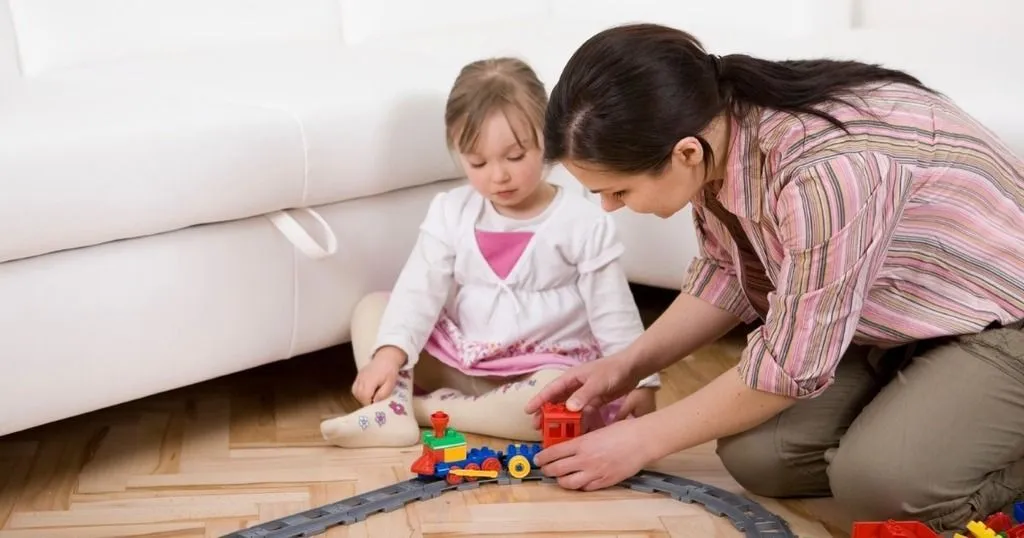
Systematic behavioral observation – two coding scales
Structured observations are one of the many ways to gather data. Observing behavior rather than asking questions about it can provide you with a multitude of valuable information.
Thank you!
We'll get back to you shortly.
Please correct the following errors: