
Measuring the user experience of tube feeding
Tube feeding has had a fascinating history, but there is still scope for innovation. Noldus will develop a system to measure its users' experience in the FoodFriend project.
Read More arrow_forwardLearn how usability testing exposes real user behavior and delivers insights that help improve digital products, interfaces, and user experiences.
If you ever want to see how design decisions play out in real life, step into a usability lab. It's where assumptions fall apart, unexpected habits emerge, and real users reveal what your product truly does - and doesn't do - for them.
A recent visit to a usability lab offered me a chance to watch how users interact with a prototype of public-service app for managing government allowances. Experiencing the process up close made the value of good user research impossible to ignore.
The UX team had recruited six respondents through an external agency. Each person participated in a 45-minute individual test. Before each session, the interviewer welcomed the respondent, asked warm-up questions, and explained the purpose of the test.
For the test, they worked with a specially prepared dataset. The goal was to watch how they navigated screens, what made sense, what confused them, and where they hesitated.
Small observations turned into big insights. For example, one respondent pointed out that a table didn't fit the screen well, and it wasn't obvious that scrolling was possible. Another said he missed reminders when income changes needed to be submitted. Small comments, perhaps, but they can influence meaningful improvements for the product team.
The testing environment was carefully set up.
The respondents sat in a dedicated interview room with the moderator. Above them, three ceiling-mounted cameras captured their behavior. A fourth camera, positioned on the table, recorded facial expressions. There was also a tabletop microphone, and the mobile phone running the app was connected to a screen-capture device, which turns screens of a device into a video stream.
This meant every action - touches, swipes, pauses, expressions - was available for the team to observe.
Meanwhile, a few rooms away, the observation team watched everything using the AV tool Viso. Not only was the phone screen visible live and in full detail, but all camera feeds were displayed together, giving a complete overview of what was happening, including the respondent's posture, hand movements, and facial expressions.
Observers could tune in on site or remotely. A dedicated note-taker typed out everything that was said, minute by minute.
This usability test was structured in a way that made findings reliable and practical.
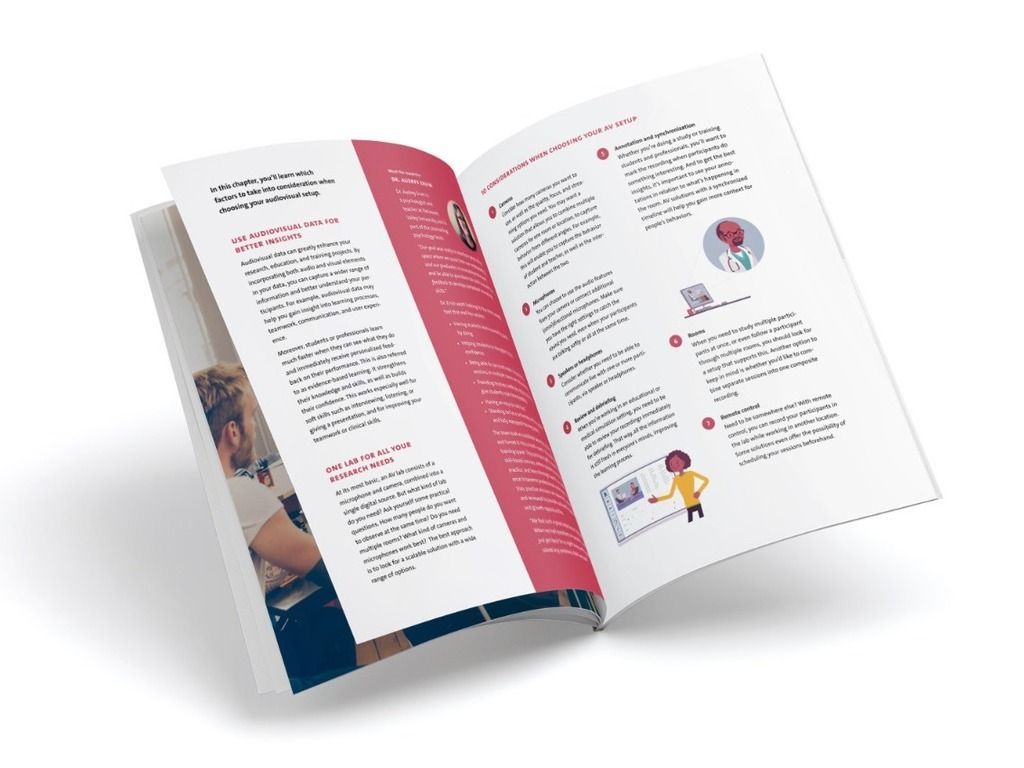
BUYER'S GUIDE
Learn exactly what you need to consider for your AV lab.
Watching all of this, I couldn't help thinking about future possibilities - like integrating automated facial expression analysis or eye-tracking to enrich the behavioral data and uncover even deeper insights.
Being physically present in the lab made the process tangible. It showed how carefully these sessions are run, how much subtle behavior matters, and how important UX research tools are.
These kinds of usability tests happen regularly. Sometimes in a dedicated lab, sometimes remotely. But the purpose always stays the same: understand real users so the product can evolve in the right direction.
Seeing this in action reinforced something important:
Great products don't happen by accident. They grow from watching, listening, and learning.
Tube feeding has had a fascinating history, but there is still scope for innovation. Noldus will develop a system to measure its users' experience in the FoodFriend project.
Read More arrow_forward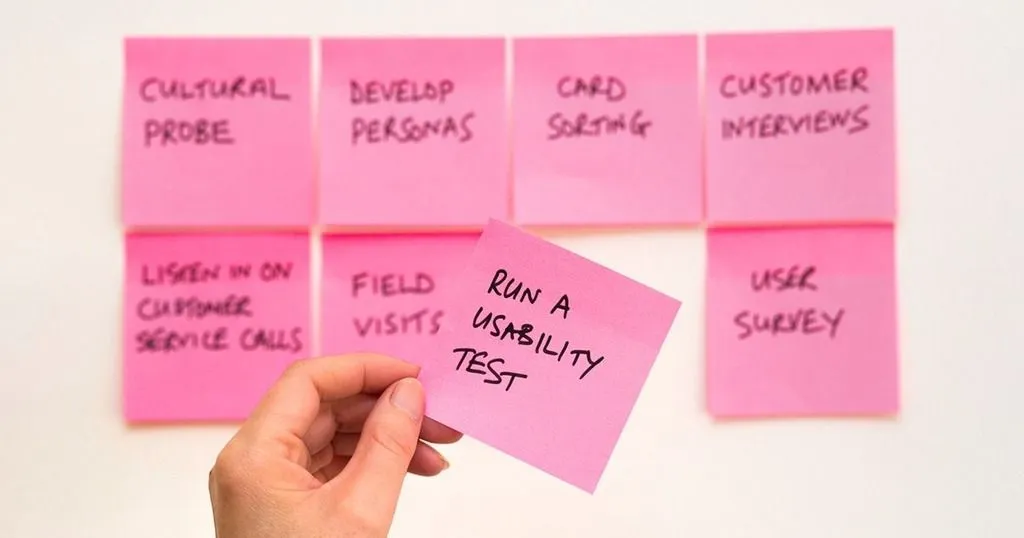
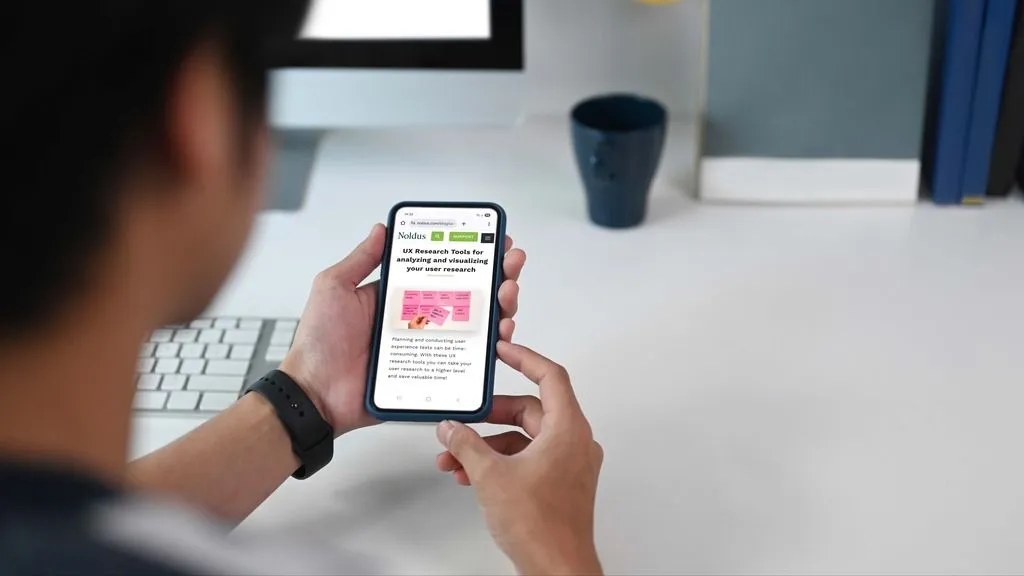
Planning and conducting user experience tests can be time-consuming. With these UX research tools you can take your user research to a higher level and save valuable time!
Read More arrow_forward
Everyone wants to know if people are truly engaged with their content. But how do we accurately measure engagement? In this blog post, researchers from VicarVision share how they studied cognitive, affective, and behavioral engagement.
Read More arrow_forwardWe'll get back to you shortly.
Please correct the following errors: