Blog Posts Tagged: child development

How maternal responses support child language development in adversity
Studies show that mothers’ responses to their children is crucial for their language development. How does this work for families facing adversity? Researchers Boulton, Levickis, and Eadle aimed to find out.

How to deal with noncompliant toddlers
We’ve all been there: getting a toddler to do what you want is a real challenge. What should you do in this situation? Researcher Larzelere and his team studied how behavioral modeling and collaborating can help.

The New Jersey Families Study: unlocking the black box
Families are children's first teachers and home is their first school. Often we wonder or guess how such teaching is going. The NJFS, performed by the University of Princeton, offers insights.
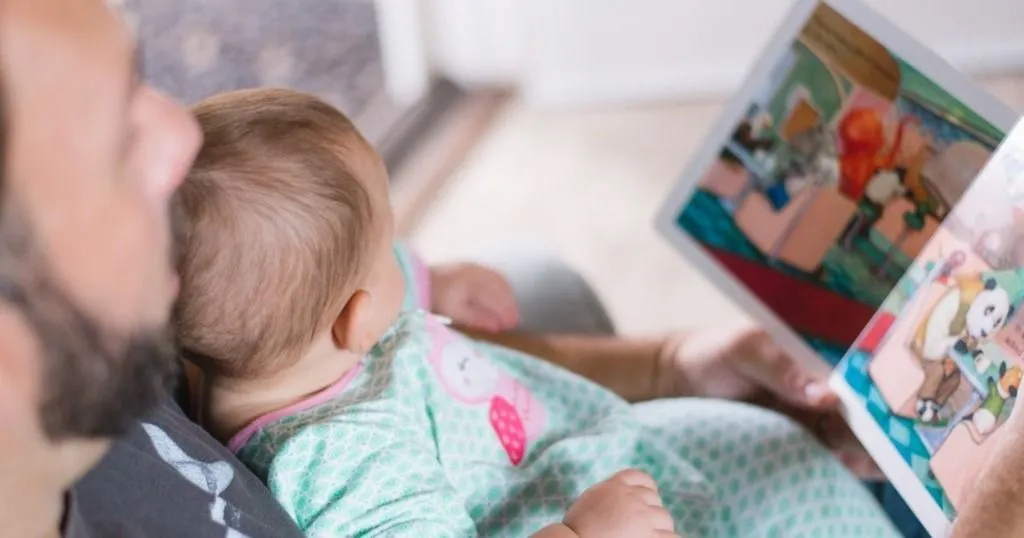
The importance of measuring infant behavior for early diagnosis of autism
Most efforts to detect autism before the age of two rely on parental reports rather than infant behavior.
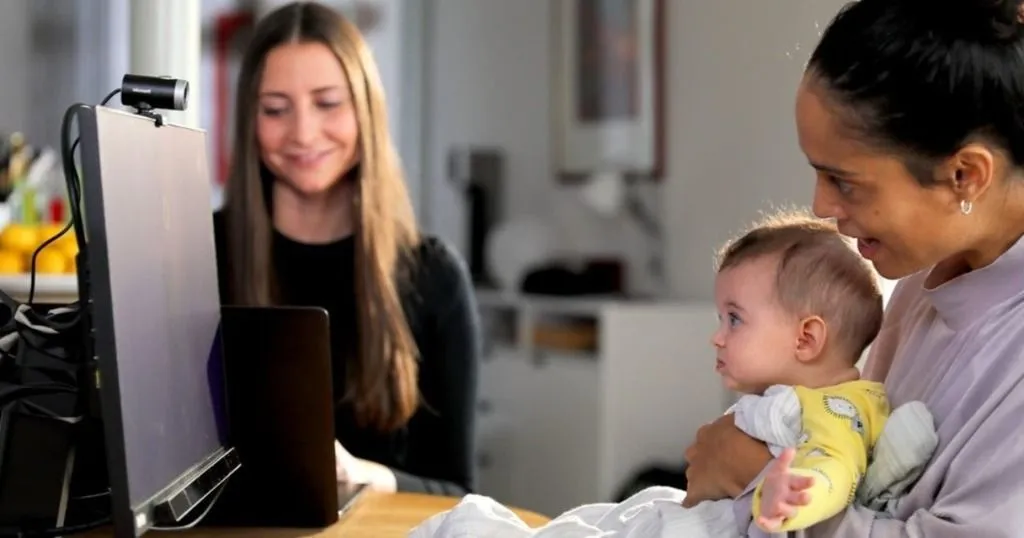
The importance of a multi-method approach in infant behavior research
The study of infant behavior provides incredible insight into the field of psychology, developmental biology, neuroscience, and other social and life sciences.

Using observational research to capture parent-child interaction
Researchers examined whether a combination of child and parental factors, such as the child's emotional temperament and parents' controlling feeding practices, influence food fussiness.

How music affects children’s development
Researchers dove deeper into building an understanding of the relationship between music and emotions and how music affects children’s development.

How do parenting practices relate to children’s nutrition risk?
Nutrition plays a vital role in children’s growth, development, and health. Researcher Walton and her team observed family mealtimes to gain a better understanding of children’s nutrition risk.

How does communication with strangers develop?
Various factors contribute to shaping social-emotional developmental trajectories, such as familiarity of the interaction partner, the child’s age, but also individual predispositions, such as temperament.

Designing a behavioral coding scheme to identify complex trauma
In order to contribute to the development of diagnostic tools and a better understanding of the effects of complex trauma, Ana Granados and her team proposed a new coding scheme and tested its validity.
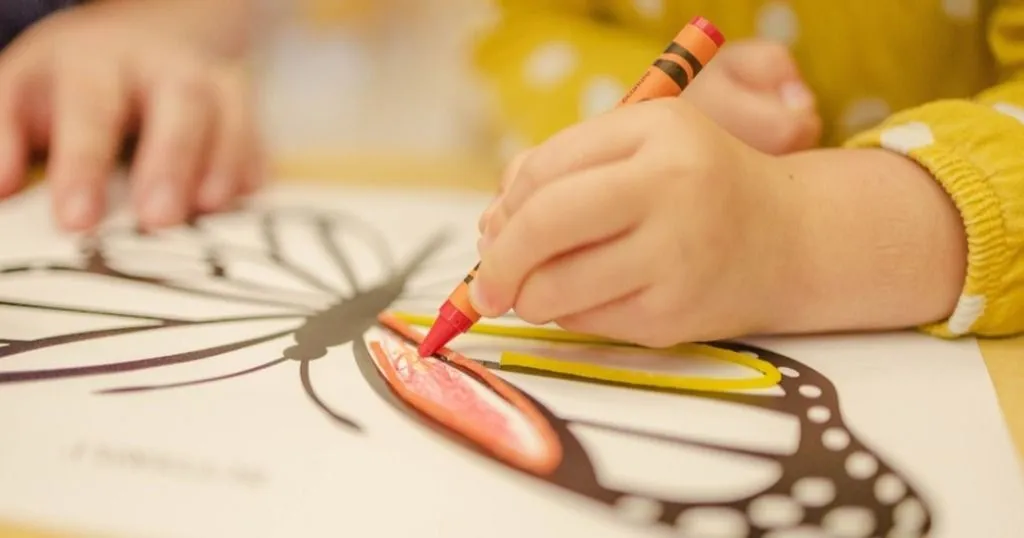
Early infant behavior development of hand preference
There are many reasons to study the development of hand preference in infants. For one thing, being left-handed can be an advantage in one-on-one sports such as tennis.

Five studies showing the power of multi-modal data in behavioral research
The advantages of using multimodal data over a single modality are that it reveals deeper insights and also if one modality fails there can be enough redundancy in the data to still make sense of it.
Thank you!
We'll get back to you shortly.
Please correct the following errors: