Blog Posts Tagged: phenotyper

The ultimate list of neuroscience lab software tools
Are you interested in starting a new lab, or perhaps in updating your current lab to its maximum potential? If so, this list of ultimate neuroscience software tools is the place to begin.
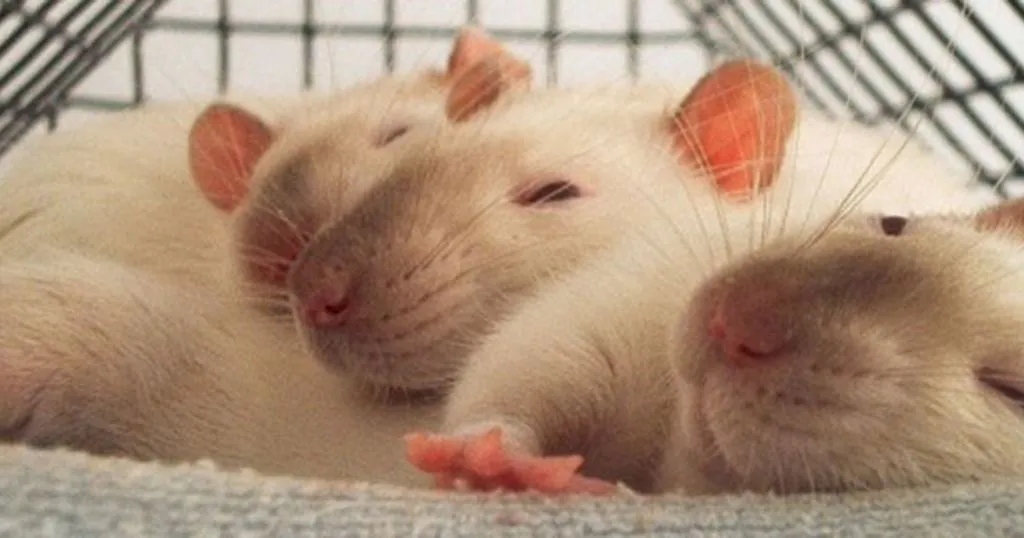
Into the lab: how to monitor rat social behavior
Including social behavior as part of a phenotypic screen has important benefits and eventually leads to better translational value of rodent models.
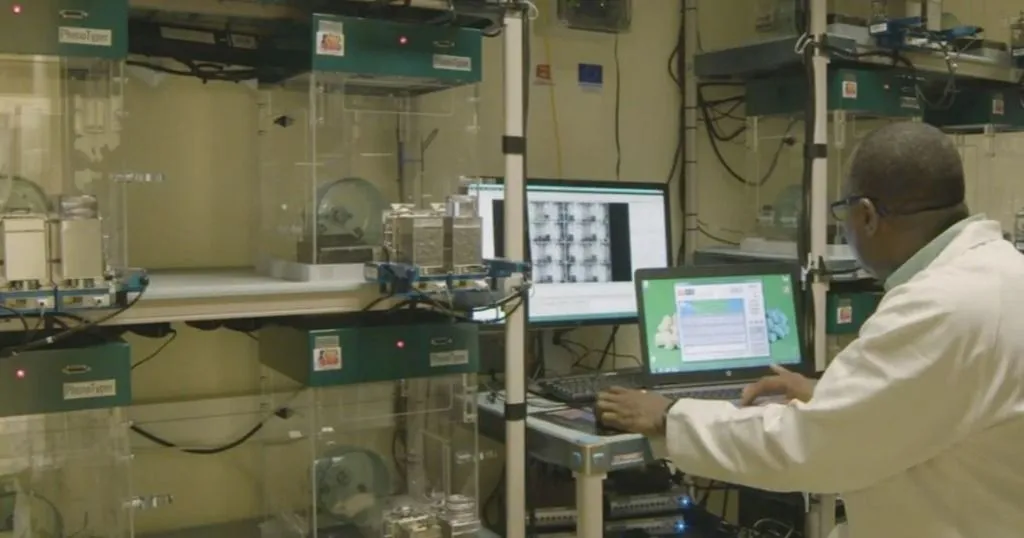
How to characterize behavioral phenotypes in a behavioral analysis facility
Introducing the Behavioral Analysis Facility. Researchers evaluate the behavioral and functional activities of new pharmacological drugs using diverse functional tests. Learn more about their recent projects.
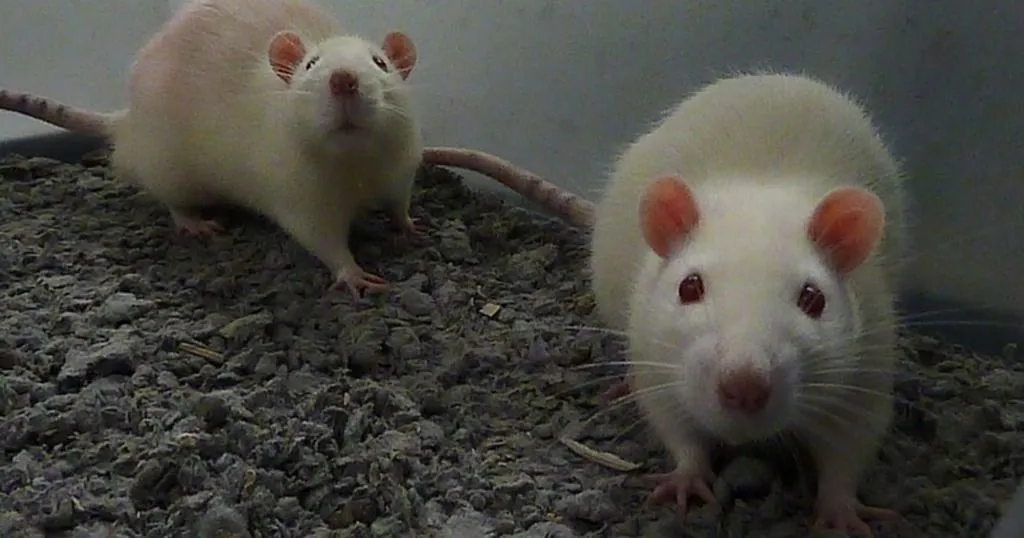
Towards automated homecage monitoring of group housed rats
Rodent social behavior is important in research on neuropsychiatric disorders, but major limitations hamper progress.
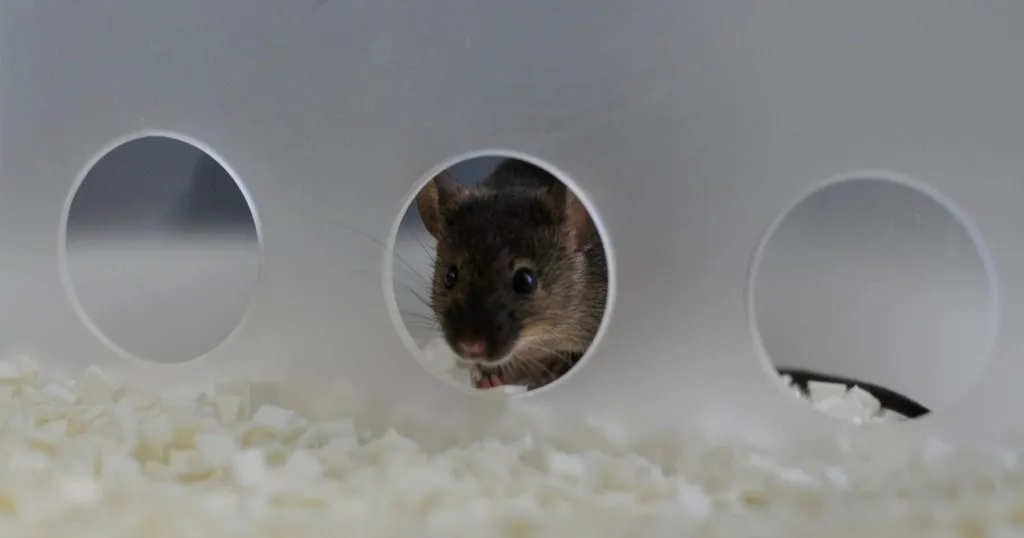
Discrimination learning without human intervention or food restriction
Sylics recently introduced CognitionWall, a new paradigm for discrimination learning in the home cage that avoids the necessity for food restriction and handling in learning tests.
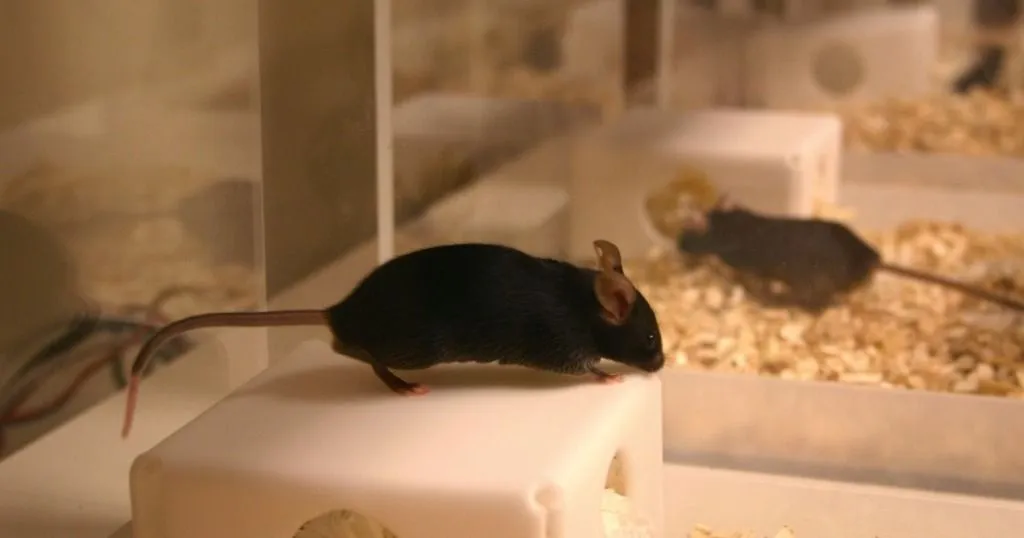
Mice in the spotlight: why you should perform your tests in a home cage
Mouse models are essential for neuroscience research. Many tests are susceptible to bias. Home cage testing provides a number of solutions.
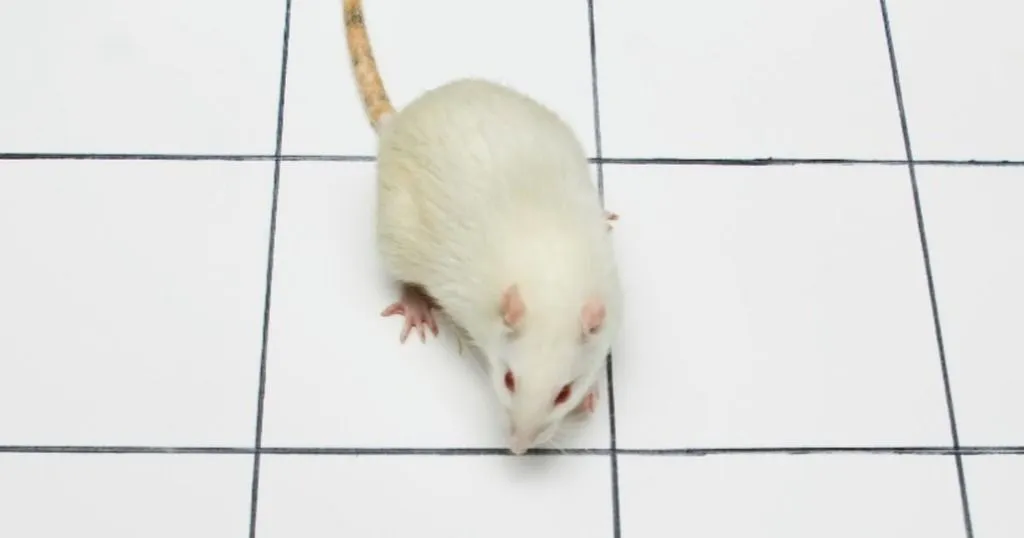
Side effects of L-DOPA investigated in parkinsonian rats
These studies specifically investigate the long-term effects of L-DOPA or levopoda, a common clinical treatment for Parkinson's disease, with which many patients struggle.
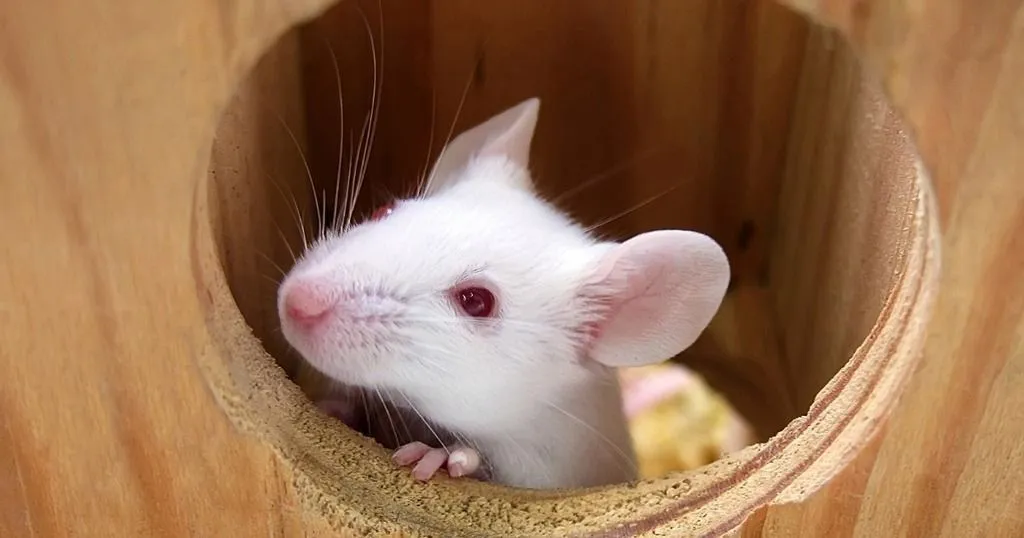
A high-throughput method to screen natural behavior of mice
Traditional standard tests with rats or mice are carried out immediately after human interference. Therefore, the behavior of the animals may not be natural and spontaneous.
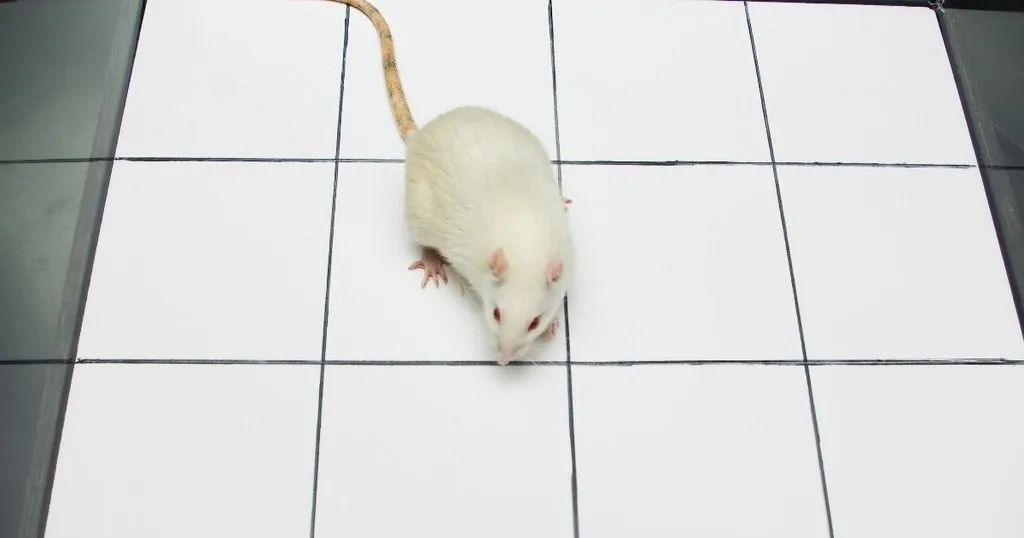
6 things you must consider to improve your open field testing
Here are six recommendations the authors list to improve the translational and predictive value of behavioral readouts.
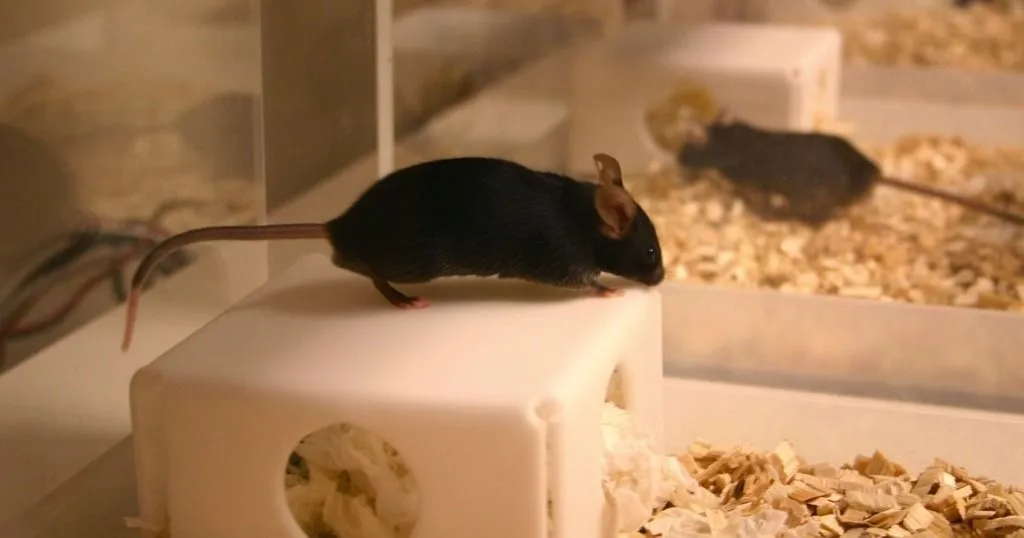
The do’s and don’ts in behavioral testing: improve your open field test
Scientists have been performing open field tests for quite some time now. Over the years it has become one of the most popular tests in rodent behavioral research. So what’s not to love?
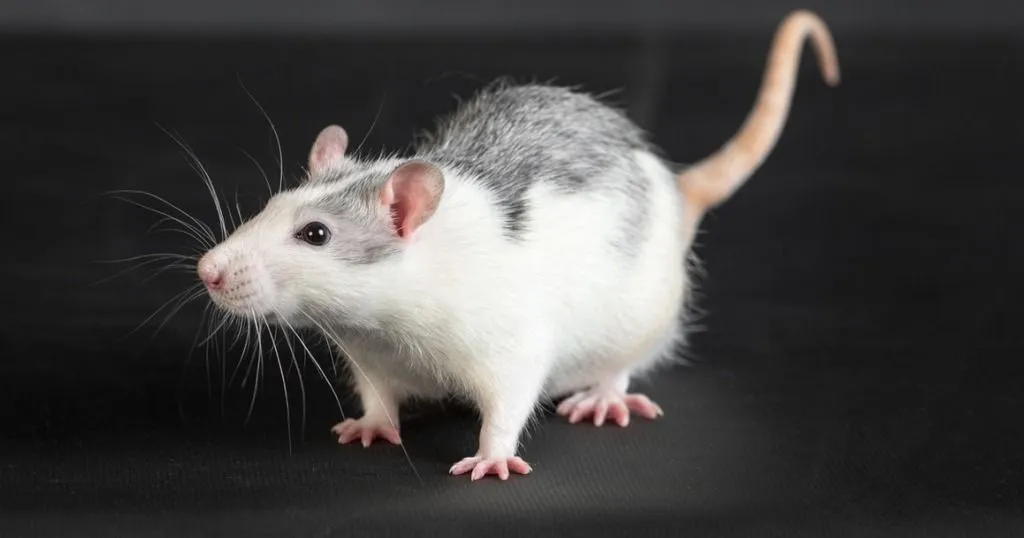
Unraveling the chemistry of mood disorders
The most common psychiatric disorders are mood and anxiety related. However, the underlying mechanisms of these diseases are still largely unknown. This complicates the development of effective treatment and drugs.
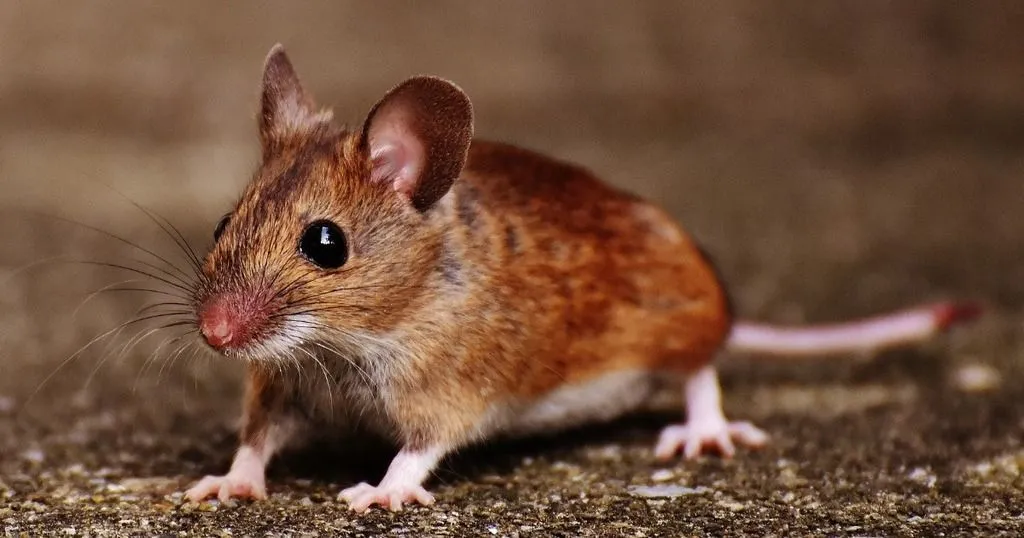
Testing without stress: high-throughput phenotyping
The ability to recognize harmful situations and respond accurately is important for the survival of any animal. In order to respond to these situations the animal must be able to learn, remember, and alter its behavior.
Thank you!
We'll get back to you shortly.
Please correct the following errors: