Behavioral Research Blog
Insights, research, and innovations in human and animal behavior research

Behavior and emotions of older adults
Can TV footage motivate older persons to start being more active? Being active can improve the overall health of a person (65+ but of course also 65-!).

10 behavioral studies on Alzheimer’s and Parkinson’s
This blog post features 10 interesting studies that use innovative techniques to study models of AD and PD and important underlying neuronal mechanisms.

How Ginkgo biloba helps treat Alzheimer’s
Xu Liu and colleagues recently investigated the effects of Ginkgo biloba extract on a mouse model for Alzheimer’s disease (AD).
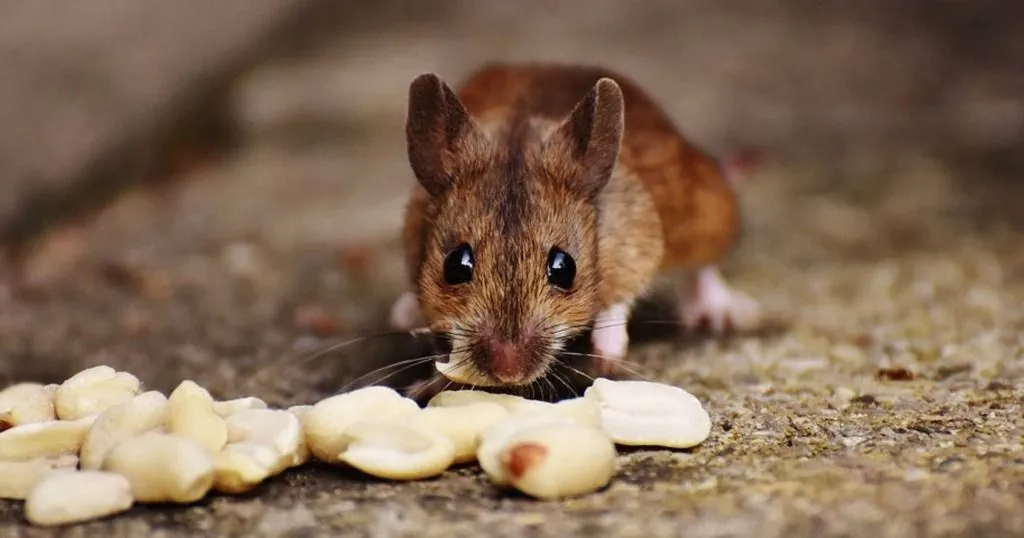
Motivation and eating: deep brain imaging in freely moving mice
Craving a snack, the joy of eating it. The part of our brain that regulates this is the lateral hypothalamus. An interesting targer for addiction and eating disorder research.

How autistic fruit flies behave
The number of children diagnosed with developmental disorders has increased exponentially in the past 20 yearschemicals such as BPA have been under investigation lately.

Location is everything: Measuring visitor behavior
Want to know where the action is? Interested in getting real-time feedback about a conference, concert, or event hotspots? Read more about the Crowd Emotion Monitor app.
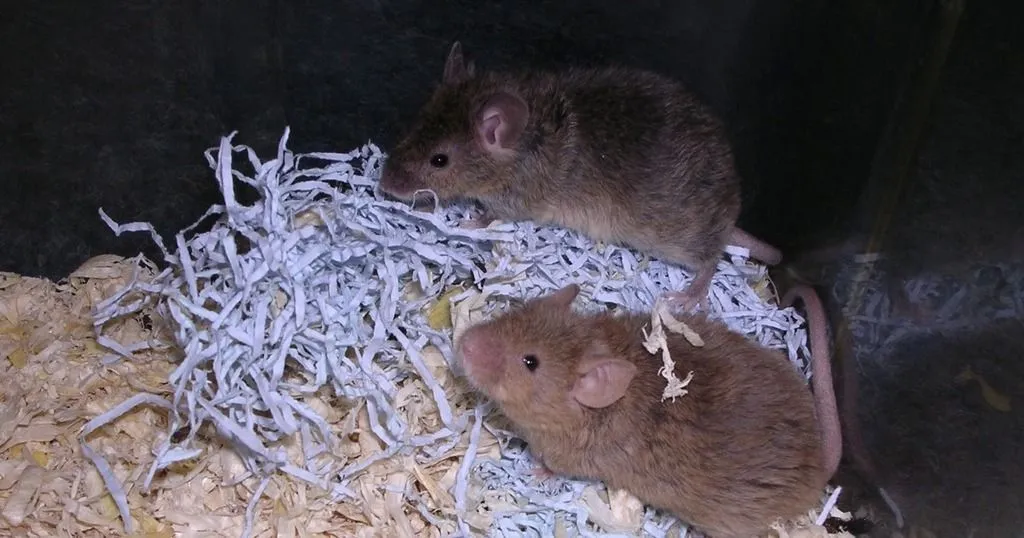
How to measure the social behavior of Fragile X mice
The treatment of Fragile X syndrome is limited to the symptoms. One of the factors currently holding back drug development is the difficulty of finding a reliable behavioral test for neurobiological studies.
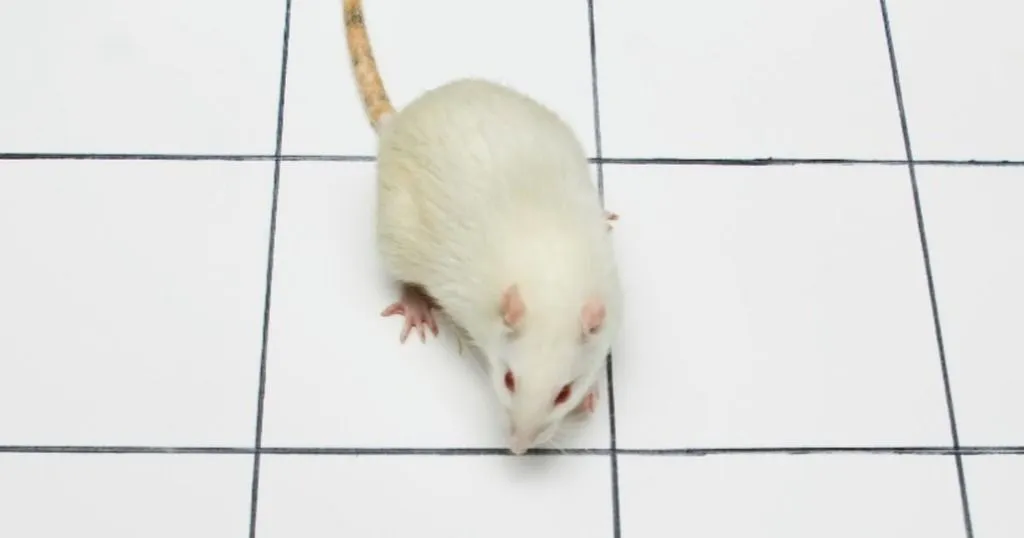
Side effects of L-DOPA investigated in parkinsonian rats
These studies specifically investigate the long-term effects of L-DOPA or levopoda, a common clinical treatment for Parkinson's disease, with which many patients struggle.
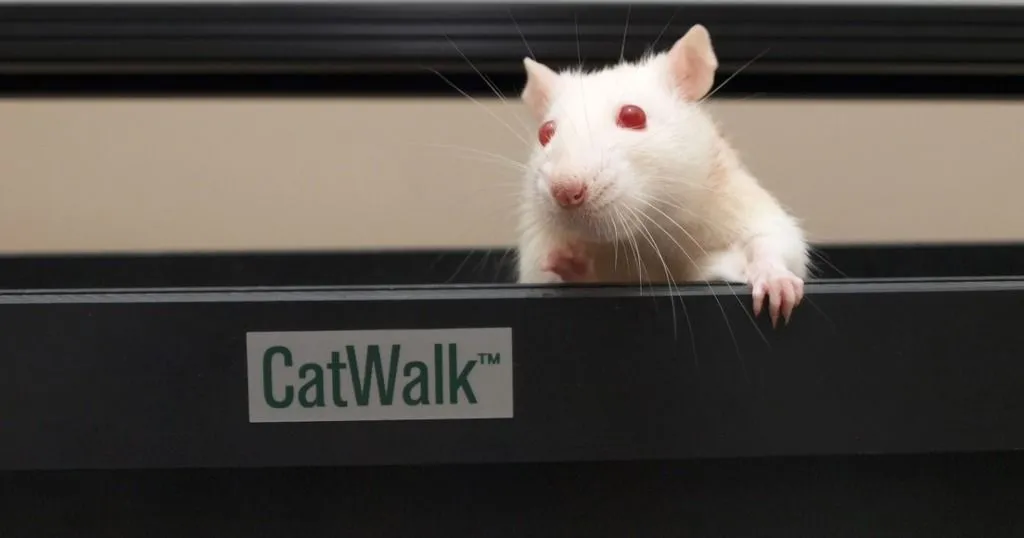
Parkinson’s & gait impairment: comparing rats and humans
Gait impairment is one of the most prominent symptoms of Parkinson's disease. For good research you need good models and good tests.
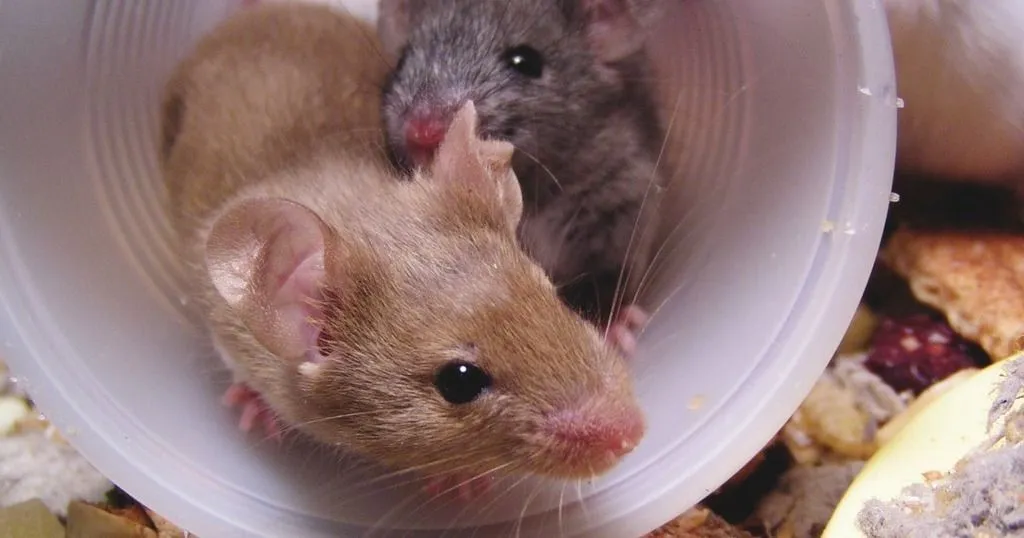
How males and females are different: can this explain autism?
Women and Venus, men and Mars, right? In mice, the establishment of social hierarchies is sex-dependent.

Why non-verbal behavior matters
Basil Preisig and his colleagues at the University of Bern, Switzerland, were especially interested in communicative development of people diagnosed with language disorders like aphasia.
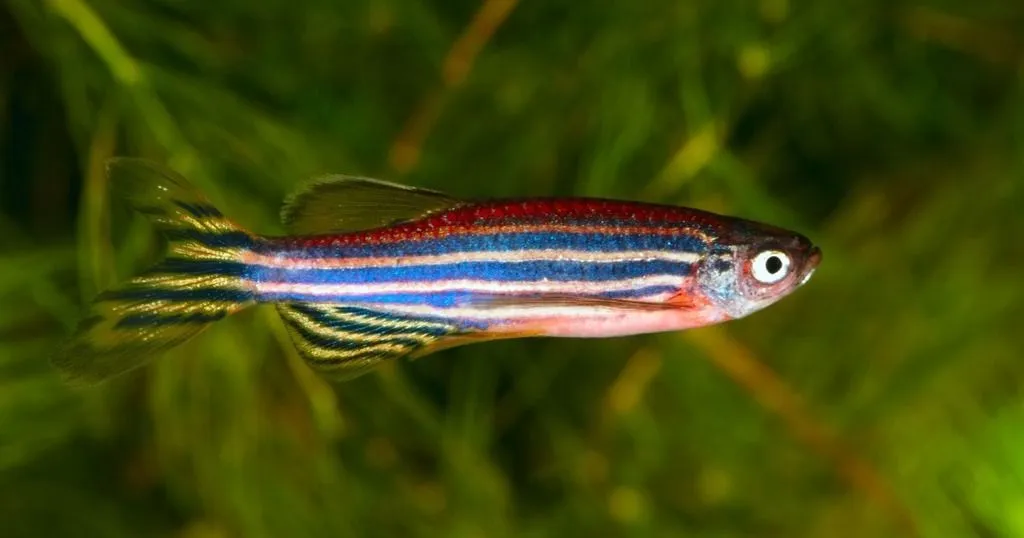
How young zebrafish cope with stress
Stress is a natural thing, and how we cope with it differs from person to person. In research, we use the term coping style, something that emerges early on in life for zebrafish.
Thank you!
We'll get back to you shortly.
Please correct the following errors: