Human Behavior Research Blog Posts

How emotions are made
Neuroscience research in the past decades has shown that our brain gives meaning to our experiences and sensations, through concepts such as emotions.

UX Research Tools for analyzing and visualizing your user research
Planning and conducting user experience tests can be time-consuming. With these UX research tools you can take your user research to a higher level and save valuable time!

Facts about FaceReader and automated facial expression analysis
There have been many statements about using automated facial expression analysis to assess emotions. Let’s take a look at what is actually possible and impossible to do with FaceReader, through a game of true and false.
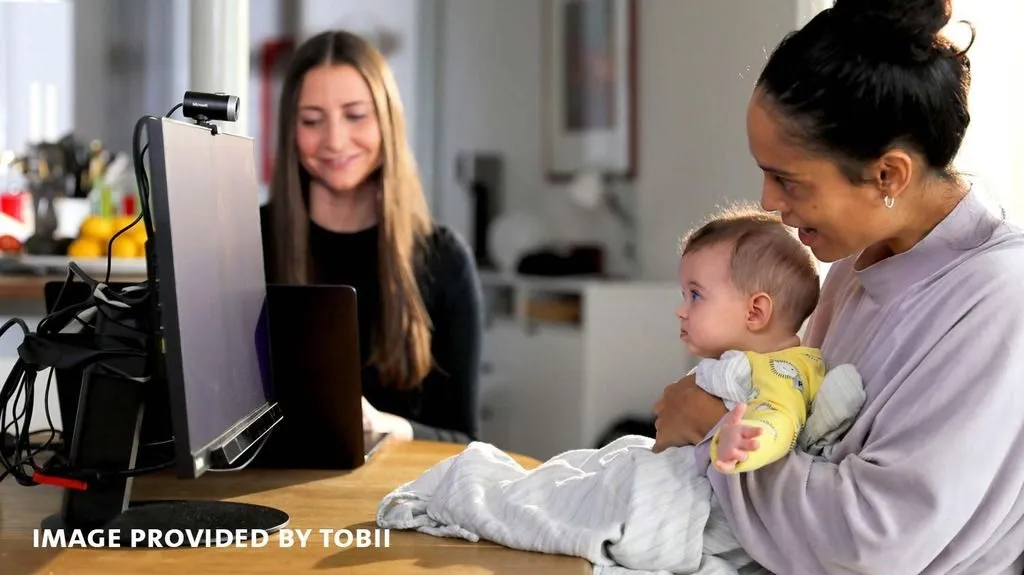
Examples of eye tracking lab set-ups
Can you imagine, in the 19th century the study of eye movements for instance was done by means of direct observations? Luckily, nowadays eye tracking can easily be automated.

The power of multimodal research in human behavior studies
By implementing multimodal research, scientists are hoping to gain a more complete and nuanced understanding of human behavior than is possible through the examination of any single modality.

How to study human behavior
Many people are fascinated by human behavior. Why do we act the way we do? How is our behavior influenced, or measured? And why is behavioral change so difficult?

How do people with Parkinson's disease express emotions?
A mask-like facial expression is an early symptom of Parkinson's disease. How can we understand the relation between changed facial expressions and disease severity? Researcher Yang and their team used FaceReader to find out.

What is behavior?
What is behavior? Behavior is a fundamental aspect of human and animal life. In scientific terms, behavior is a subject of study within the field of behavioral research, which aims to understand different behaviors.

How to make communication easier for children with severe motor impairments
A decrease in the ability to make contact with others leads to limitations in communication. A Swedish research team investigated whether eye tracking assisted therapy could help children with motor impairments communicate.

How to deal with noncompliant toddlers
We’ve all been there: getting a toddler to do what you want is a real challenge. What should you do in this situation? Researcher Larzelere and his team studied how behavioral modeling and collaborating can help.

How the ability to manage emotions shapes perception of risk
Can our ability to recognize and control our emotions determine how dangerous we perceive certain hazards to be and whether or not we think we are at risk?

Simulation-based training – it’s just like the real thing!
By conducting training sessions, students in a simulation lab develop and maintain knowledge, skills, and competencies such as interviewing skills, working with certain equipment, and teamwork procedures.
Thank you!
We'll get back to you shortly.
Please correct the following errors: