Blog Posts Tagged: the observer xt
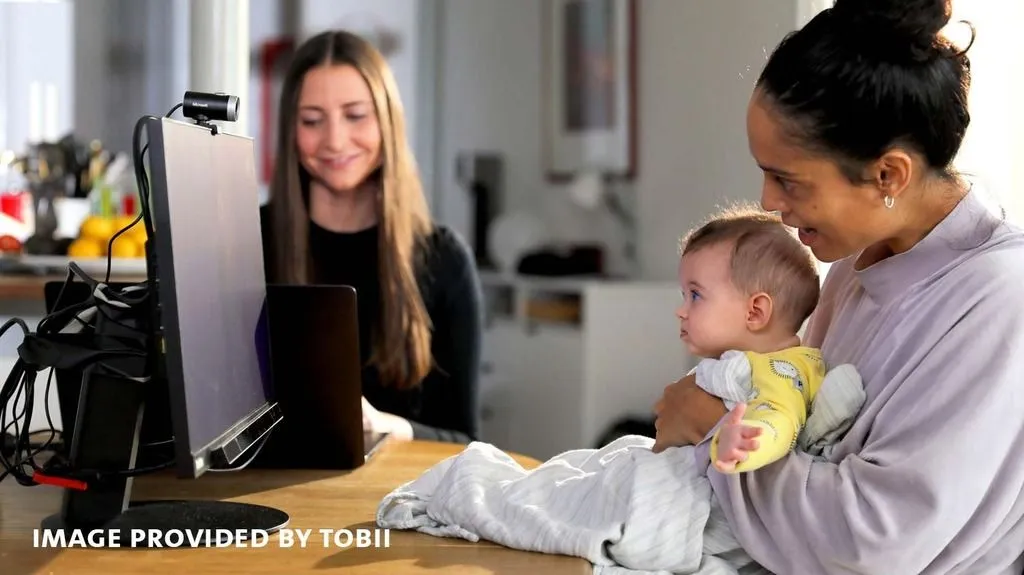
Examples of eye tracking lab set-ups
Can you imagine, in the 19th century the study of eye movements for instance was done by means of direct observations? Luckily, nowadays eye tracking can easily be automated.

How to study human behavior
Many people are fascinated by human behavior. Why do we act the way we do? How is our behavior influenced, or measured? And why is behavioral change so difficult?

How to make communication easier for children with severe motor impairments
A decrease in the ability to make contact with others leads to limitations in communication. A Swedish research team investigated whether eye tracking assisted therapy could help children with motor impairments communicate.
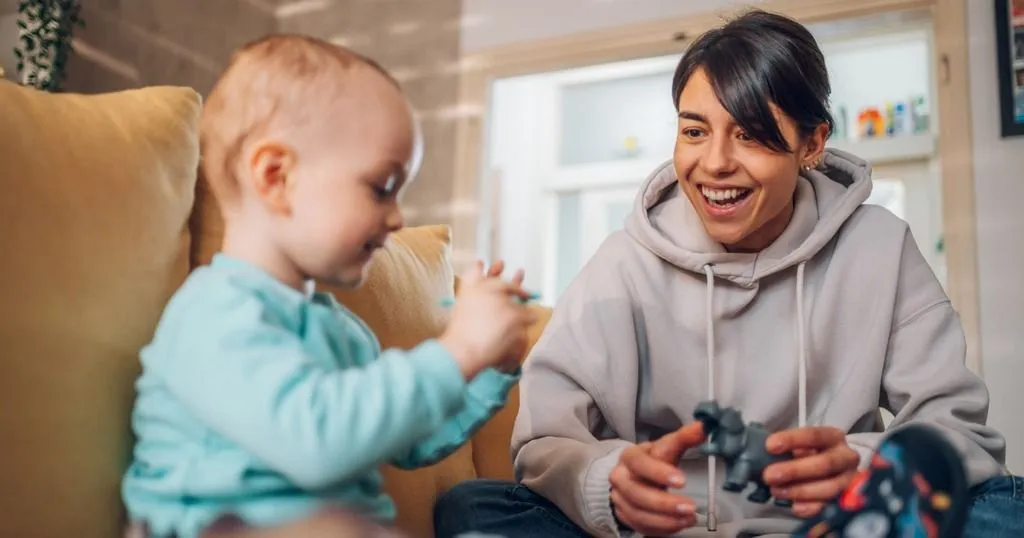
How to deal with noncompliant toddlers
We’ve all been there: getting a toddler to do what you want is a real challenge. What should you do in this situation? Researcher Larzelere and his team studied how behavioral modeling and collaborating can help.

Classical music affects affiliative behaviors in bottlenose dolphins
Researchers from the University of Padova used The Observer XT to measure the behavior of dolphins when exposed to different types of enrichment.

Simulation-based training – it’s just like the real thing!
By conducting training sessions, students in a simulation lab develop and maintain knowledge, skills, and competencies such as interviewing skills, working with certain equipment, and teamwork procedures.

Understanding behavioral psychology with The Observer XT
What causes you to procrastinate, eat junk food, or form a habit? Questions like this, about the connection between our minds and our behavior, are studied in behavioral psychology.
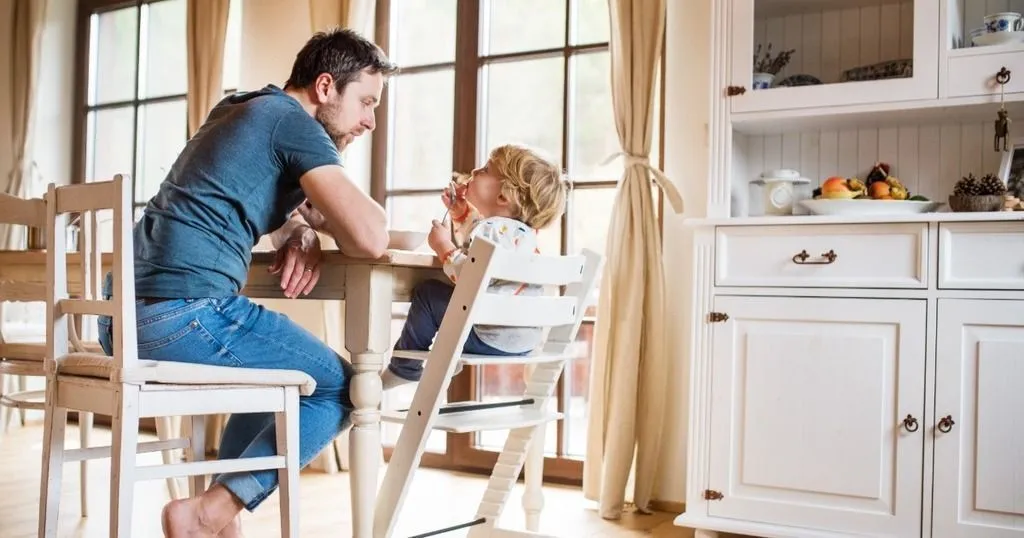
The New Jersey Families Study: unlocking the black box
Families are children's first teachers and home is their first school. Often we wonder or guess how such teaching is going. The NJFS, performed by the University of Princeton, offers insights.

5 Animal blogs not about rats, mice or zebrafish
The scope of measuring behavior goes beyond rats, mice and (zebra)fish. As behavioral experts we love to also highlight research in animals such as mites, elephants, dolphins and shrimps.
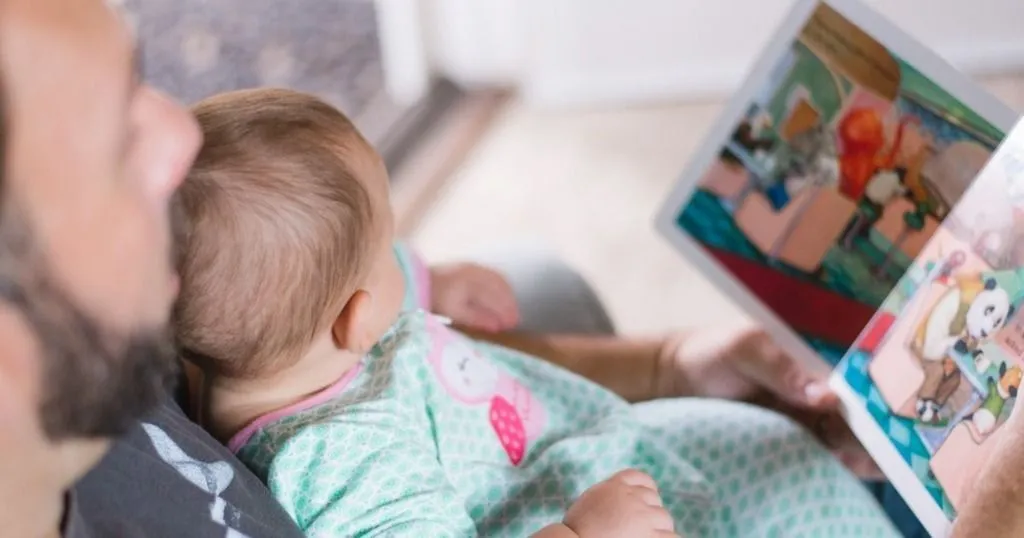
The importance of measuring infant behavior for early diagnosis of autism
Most efforts to detect autism before the age of two rely on parental reports rather than infant behavior.
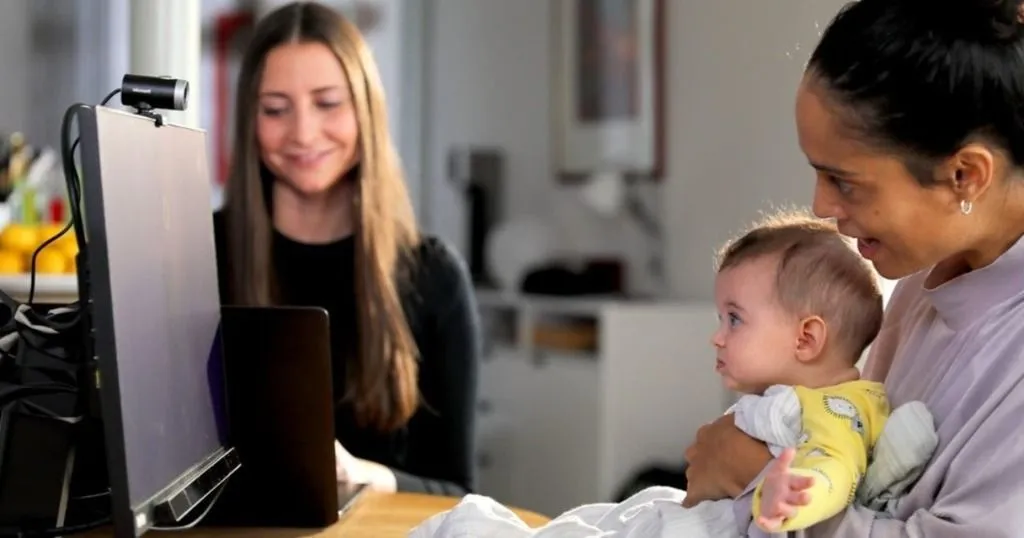
The importance of a multi-method approach in infant behavior research
The study of infant behavior provides incredible insight into the field of psychology, developmental biology, neuroscience, and other social and life sciences.

Using observational research to capture parent-child interaction
Researchers examined whether a combination of child and parental factors, such as the child's emotional temperament and parents' controlling feeding practices, influence food fussiness.
Thank you!
We'll get back to you shortly.
Please correct the following errors: