Behavioral Research Blog
Insights, research, and innovations in human and animal behavior research
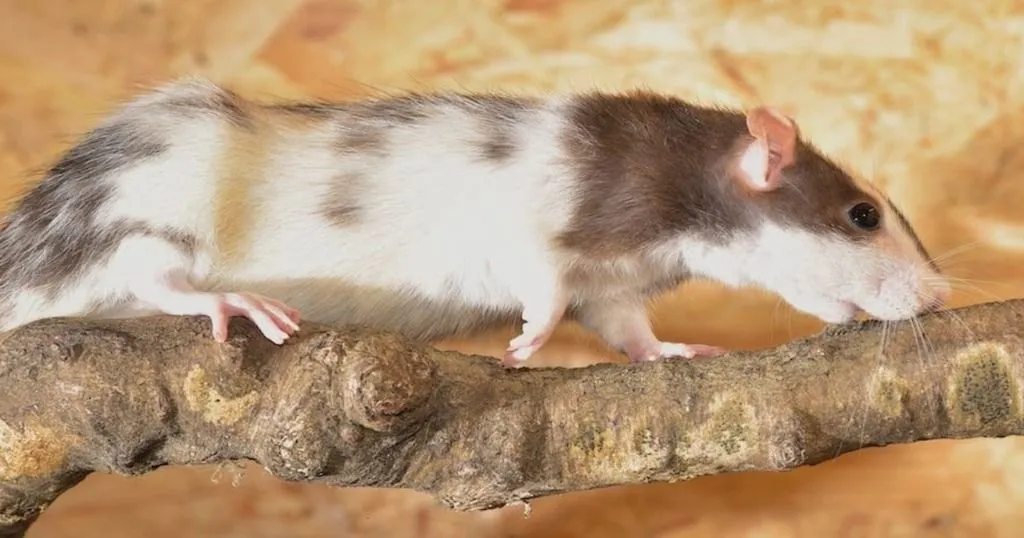
Depressed with a failing reward system: social stress disrupts brain waves
Chronic social stress has a huge impact on well-being. Gamma oscillations have been found to be an electrophysiological link between social stress and reward processing.

Working memory and emotion regulation in children with ADHD
How can we understand emotional reactivity in children with ADHD? In the current study, Tarle and her colleagues examined the relation between emotion regulation and working memory in children with and without this disorder.

Emotional responses to infant crying
Hearing an infant cry can cause negative emotions, which can impact the way we respond. Researchers Riem and Karreman instructed parents to apply specific emotion regulation strategies in response to infant crying.

User Meeting: exploring external data integration
A few months ago, we organized our very first User Meeting about EthoVision XT and external data integration! The meeting included interesting talks, discussions, and demonstrations with a diverse group of participants.

LIFESTART project
The importance of good nutrition for human babies is well known. But what about young animals?
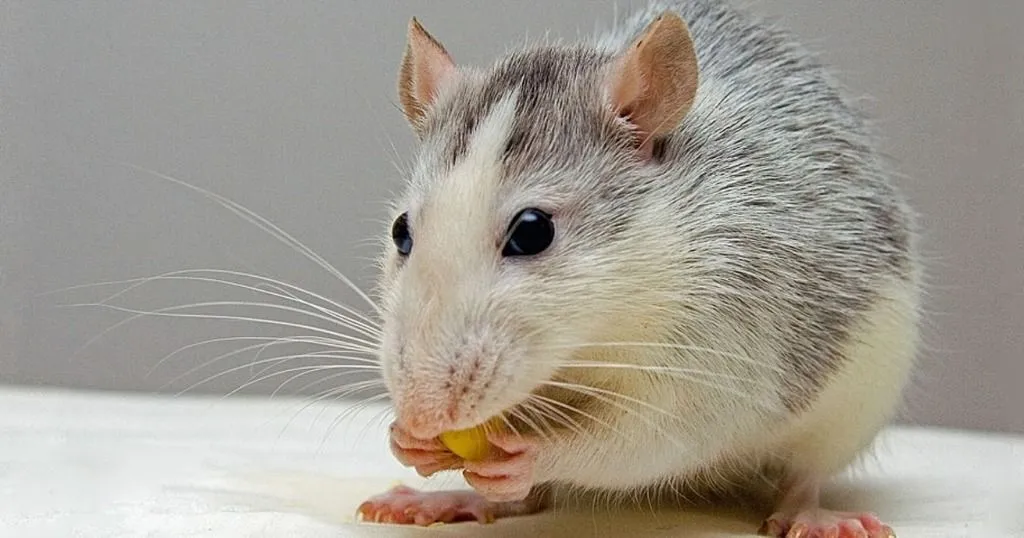
Is a unique calcium regulating mechanism a cause of Gulf War Illness?
Gulf War Illness (GWI) is potentially caused by organophosphate exposure. Through behavioral experiments, using a DFP rat model, researchers tested levetiracetam as a potential cure.

3 reasons to join us at Applied Human Factors & Ergonomics meeting (DriveLab)
The International Conference on Applied Human Factors and Ergonomics (AHFE) is held annually. Here is why you should attend.

Understanding consumer buying behavior
What predicts a sale, and what causes consumers to buy from a particular brand over another? To know how and why customers make decisions, you can take a deeper look at consumer behavior.
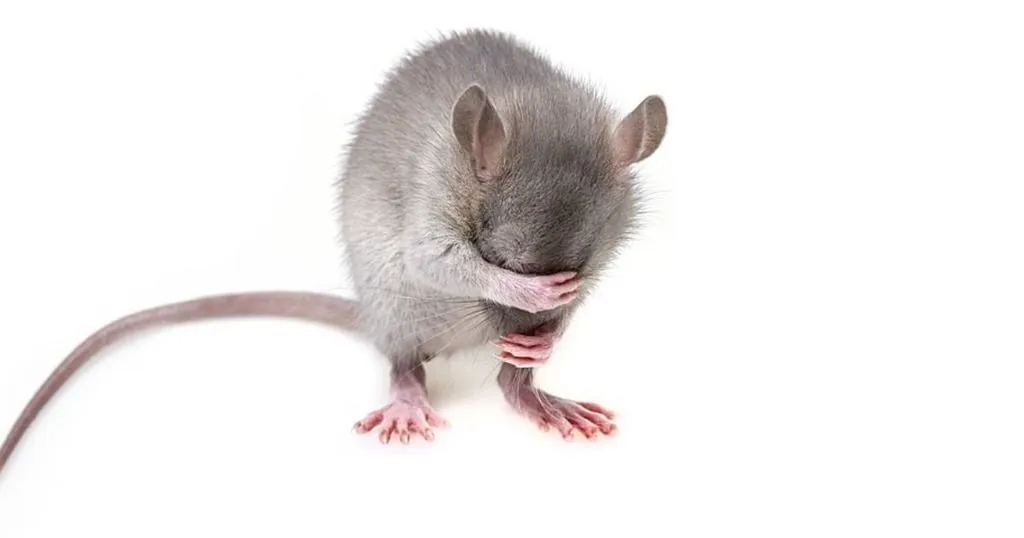
Gut microbes: both cause and cure of autism?
Gut microbes can increase or decrease typical autism spectrum disorder behavior (stereotypies, social behavior, locomotion, and communication) via metabolites and influencing alternative gene splicing.

Studying posture development in infants at risk for autism
Research shows that early posture development is delayed in infants who are eventually diagnosed with an autism spectrum disorder (ASD). Understanding these delays helps to improve early diagnosis and intervention.
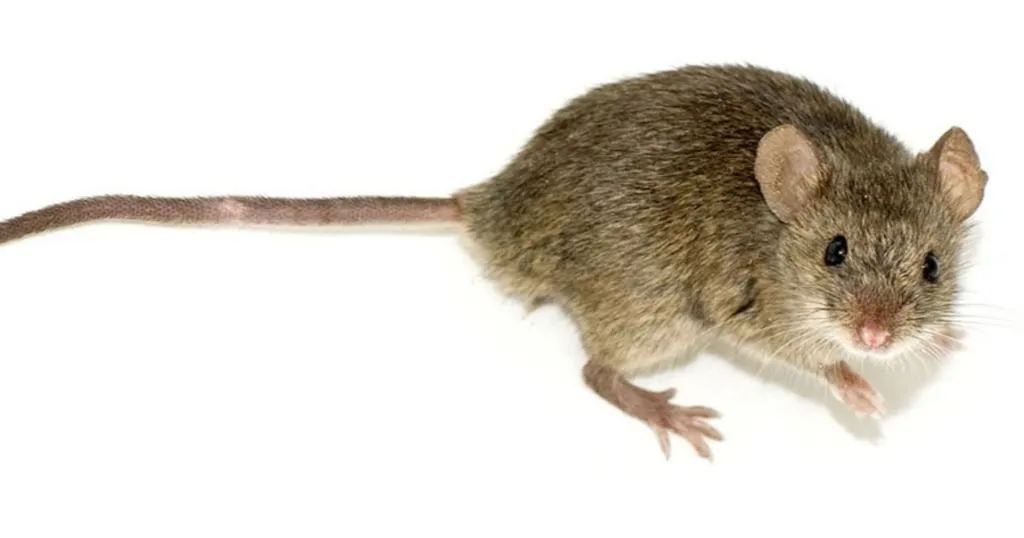
Stereotypical effects on cognitive bias
Stressed-induced stereotypical behavior in lab mice have different effects on cognition. The radial arm maze is often used to investigate this.
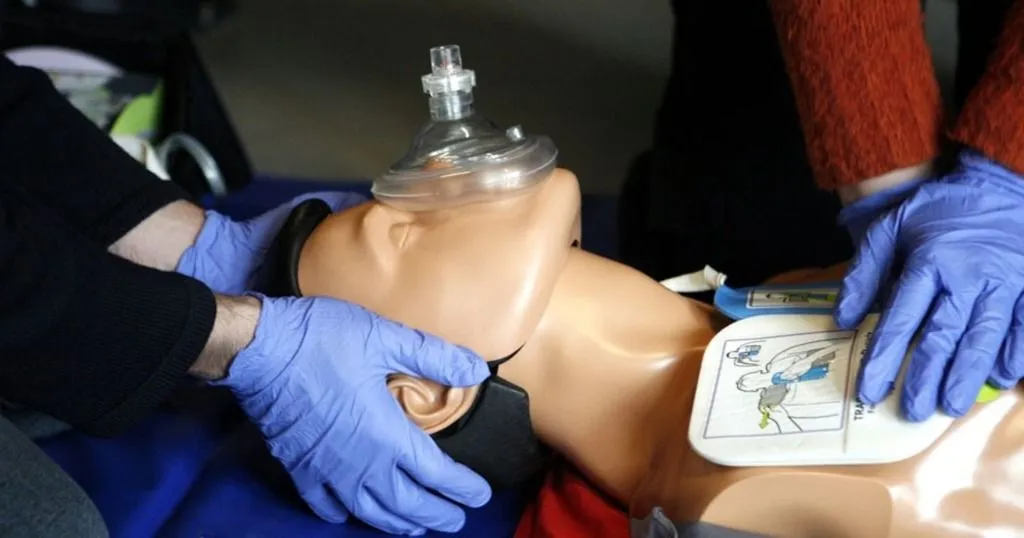
How to assess medical team effectiveness
Healthcare professionals working in an operating or emergency room, frequently deal with unpredictable situations in which they need to stay focused and think clearly. How do they manage that?
Thank you!
We'll get back to you shortly.
Please correct the following errors: