Behavioral Research Blog
Insights, research, and innovations in human and animal behavior research
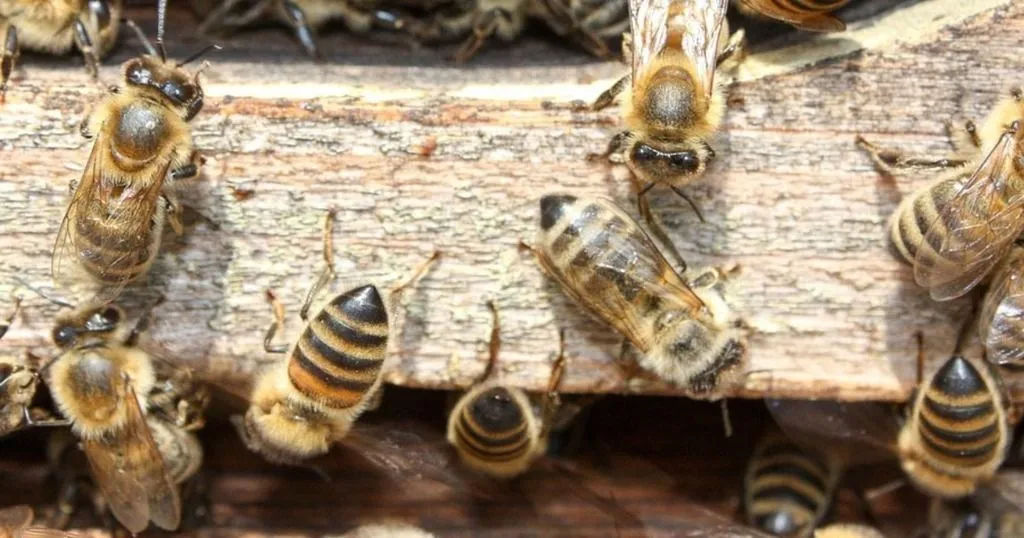
Pesticides in bee colonies affect the behavior of bees
In the past 20 years, populations of honeybees have declined all over the world. This is partly caused by the increased occurrence of parasites and pathogens.

Determining the effect of social hierarchy on foraging in coyotes
Whether it’s an older sibling taking the last piece of cake from their younger sibling or a dominant coyote shoving a subordinate out of the way so it can eat the food, nature has its hierarchies.

Developing a high-throughput method - EthoGenomics
Ornamental flowers are among the main export products of The Netherlands. Thrips are one of the most important pests on ornamental flowers.

Predicting Advertising Effectiveness: Facial Coding of 120.000 Video Frames
The advertising and marketing companies have just received a new addition to their repertoire of the neuromarketing tools – automated coding of facial expressions of basic emotions.

How to analyze nurse-patient consultations
Efficient and effective communication is necessary in doctor-patient as well as nurse-patient consultations.

Video tracking of children with autism
Automated video tracking is a valuable tool for studies on animal models of autism (ASD). Diagnosis of ASD is based on behavior alone in humans, so naturally, behavior is an important part of human as well as rodent studies.

Robot-child interactions – helping children with autism learn skills
Human-Computer Interaction research may go a lot further than just evaluating an office worker interacting with a stationary computer or laptop.
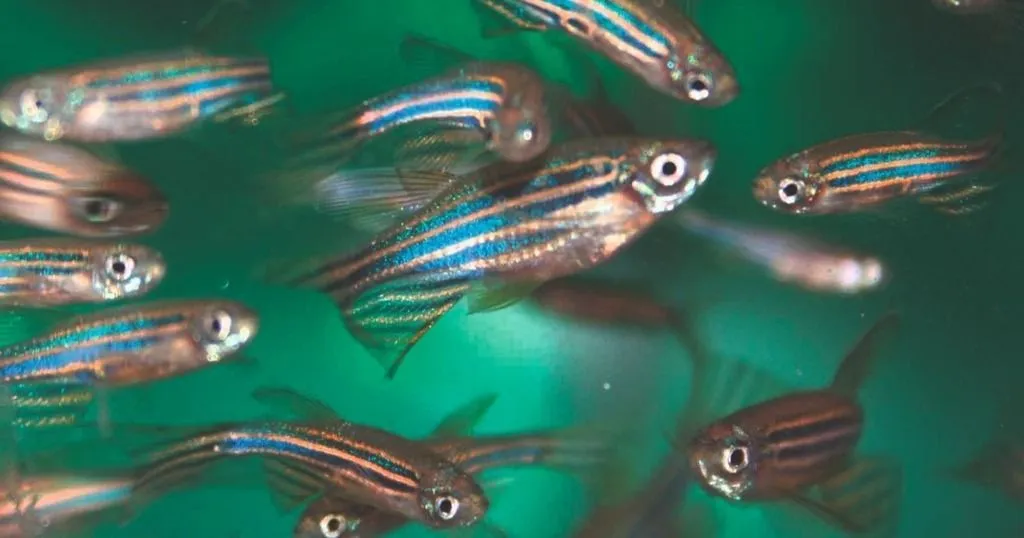
The power of zebrafish in the study on Parkinson’s Disease
Zebrafish have proven to be a good model for Parkinson’s Disease (PD) research. They express several highly conserved genes that are associated with PD.
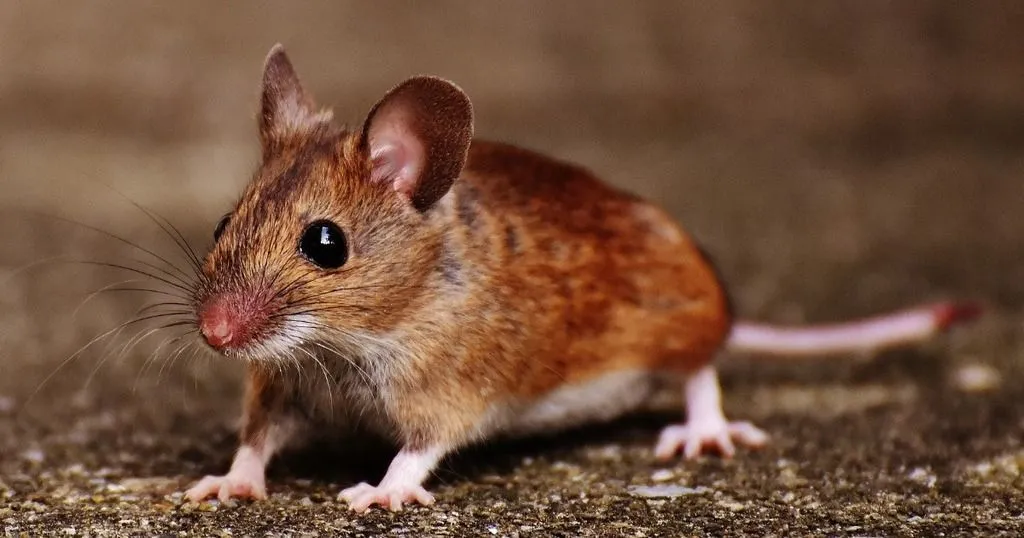
Testing without stress: high-throughput phenotyping
The ability to recognize harmful situations and respond accurately is important for the survival of any animal. In order to respond to these situations the animal must be able to learn, remember, and alter its behavior.

Classroom observations including facial expression analysis
Internet and technology usage, including computers, tablets, and mobile phones, has increased exponentially in the past few years.
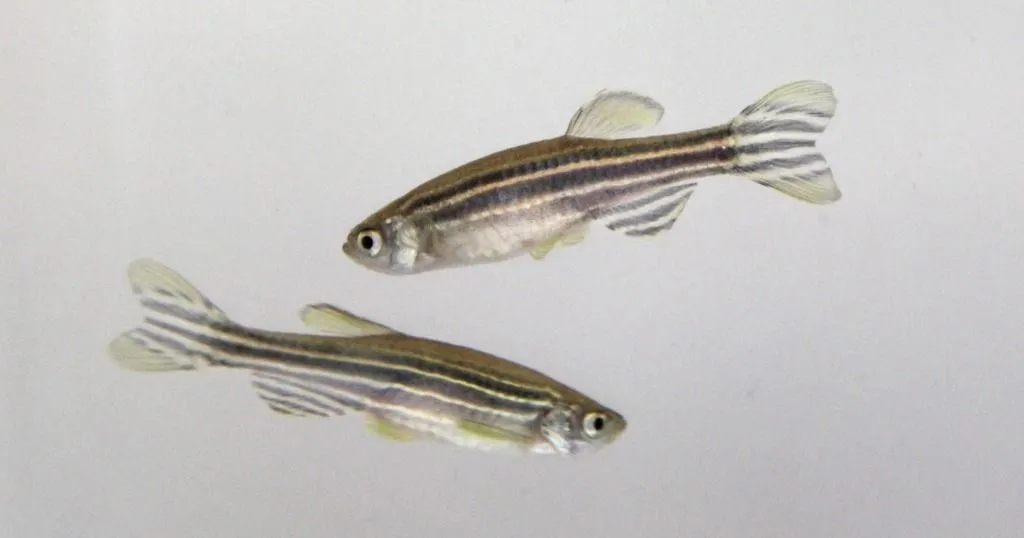
Tracking zebrafish activity to study a key element in circadian rhythmicity
Zebrafish are a popular model of choice for many researchers, including chronobiologists. That’s because zebrafish rapidly develop their ‘inner clock’ (circadian system) – and because this system is highly light-entrainable.

Observing monkey behavior – cracking the nut
We already know some monkeys display above average intelligence. One way by which we can tell is their use of tools. Studies have shown that capuchin monkeys use boulders and logs as anvils upon which they can crush nuts.
Thank you!
We'll get back to you shortly.
Please correct the following errors: