Behavioral Research Blog
Insights, research, and innovations in human and animal behavior research
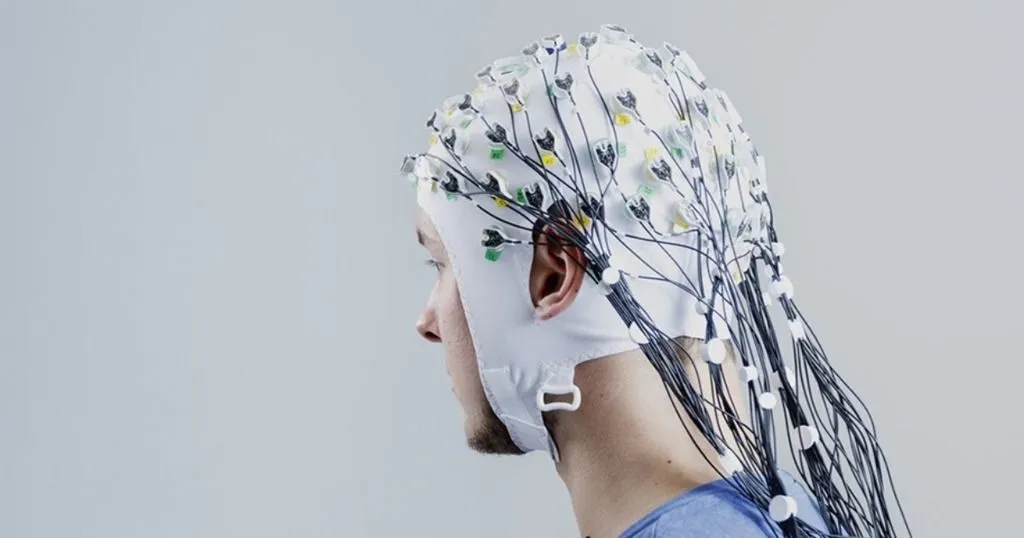
Understanding face perception in ASD
Researchers at KU Leuven want to gain more insight into whether or not there are differences in the implicit abilities of children with ASD to detect faces, different identities, and different expressions.

3 Emotional studies with FaceReader
Many researchers have discovered FaceReader as a tool for their research. These 3 recent studies with FaceReader show how emotion data helps you to better understand human-human, human-machine, and human-product interactions.

Interacting with autonomous cars
When I get in the train next week at the Düsseldorf airport, I know that there is something different about it in comparison to a normal train.

Robots helping people with dementia
Researcher Wendy Moyle and her team explored if the use of a robotic seal as a therapeutic tool would influence the emotional and behavioral symptoms of dementia.

Learn to cooperate toward shared goals using the principles of CRM
Teamwork plays an important role in ensuring patient safety and avoiding errors. The most commonly used method to promote teamwork, is training entire teams together to better prepare them for effective cooperation.

Video recording medical trainees who are interrupted during a complex task
Interruptions in your work have a negative effect on completing your tasks correctly. Jones and her team examined the impact of clinical interruptions on simulated trainee performances during central venous catheterization.

In home study of older persons
Older people are healthier these days and like to live in their own homes as long as possible. As a result, the need for home care services is increasing.
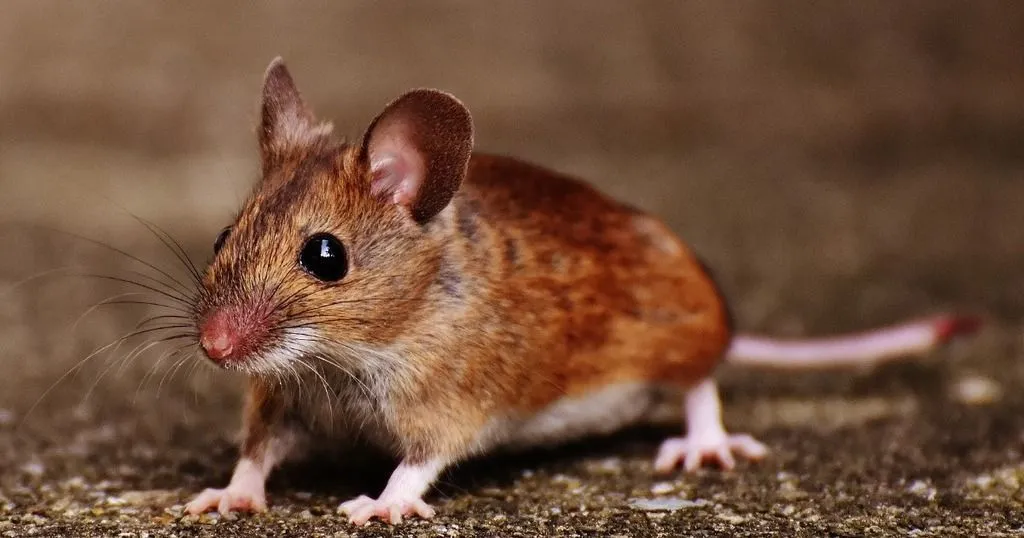
Why it doesn’t seem fair to prefer male mice in behavioral studies
Is it justified to use male mice only in behavioral studies, as many diseases affect men and women differently? This might be the most important argument to favor including female mice in certain studies.
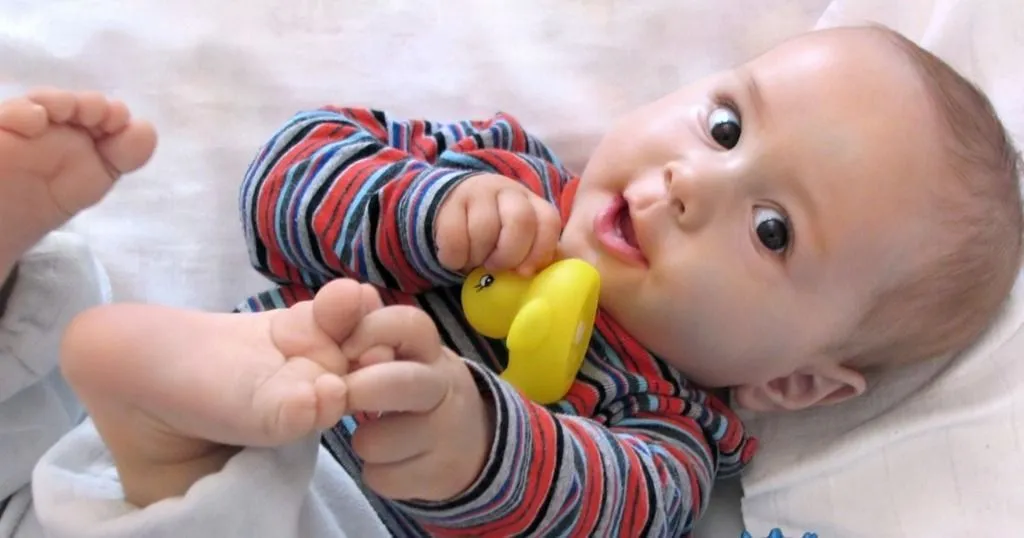
The response of oxytocin to mother-infant interaction
Researcher Rebecca Knapp was interested to know whether infant eye gaze away from the mother, or eye gaze directed to the mother, would correspond to increased maternal oxytocin. Read her blog post to learn more.
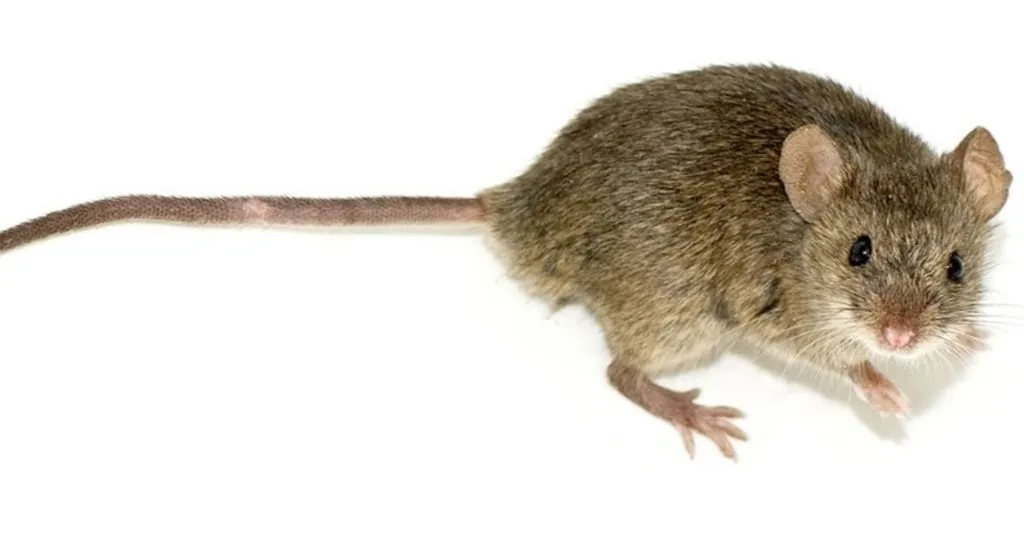
IR backlight in rodent behavioral testing
How do mice act in complete darkness? Ann-Kristina Fritz and her colleagues ordered a large, round open field with IR backlight, custom made by Noldus, to investigate.

The emotions of people who think they’re nice
What does ‘nice’ actually mean in relation to psychological variables? And does it positively correlate with self-reported levels of health, happiness, and wellbeing?

Emotions distract people with eating disorders
Studies show that people with anorexia nervosa have reduced facial expressivity of emotions while viewing emotionally provoking stimuli. Researcher Leppanen and her team used FaceReader to investigate this.
Thank you!
We'll get back to you shortly.
Please correct the following errors: