Behavioral Research Blog
Insights, research, and innovations in human and animal behavior research
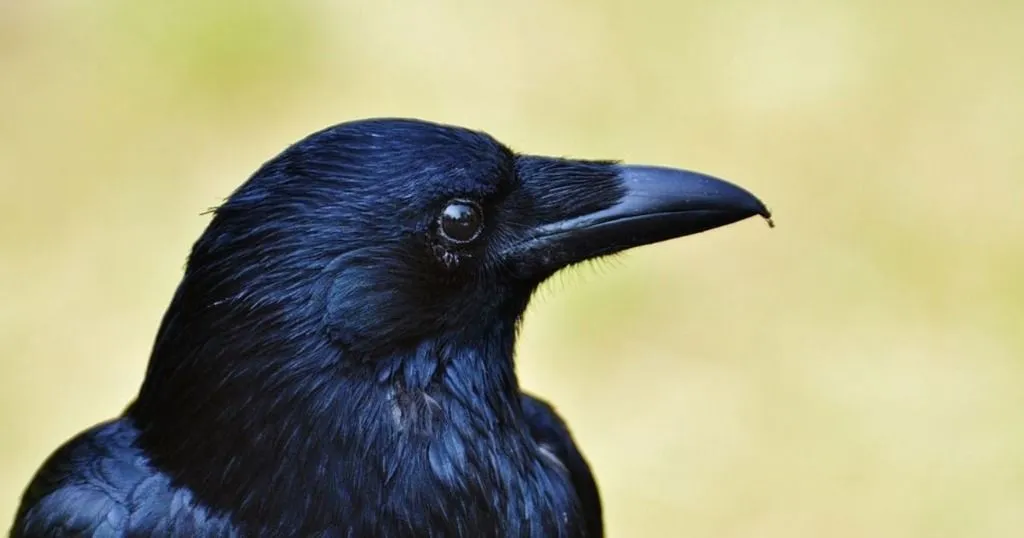
To be ravenous or to be social
Prosocial behavior, a voluntary behavior to benefit another, is an interesting concept from an evolutionary point of view. At first sight it may seem logical to be social.

Helping children cope with social anxiety
Researchers Colonnesi et al. investigated whether social anxiety in 4 year-olds is related to the level of Theory of Mind, and expressing shyness.
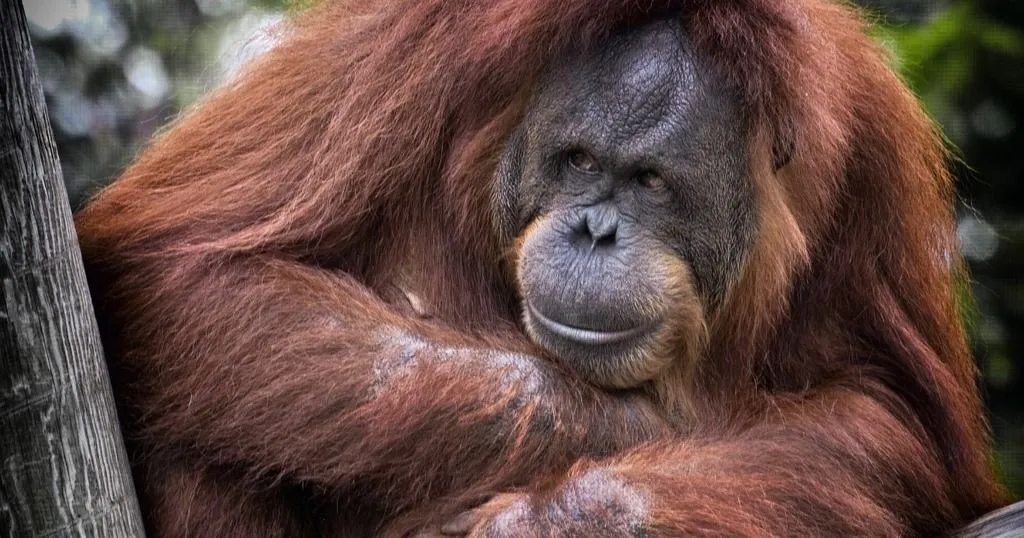
Free-choice digital interactive enrichment and human-animal interaction
Great apes have fast reflex, gazes, and movements: The Observer XT’s features allow frame by frame coding and accurate data integration.
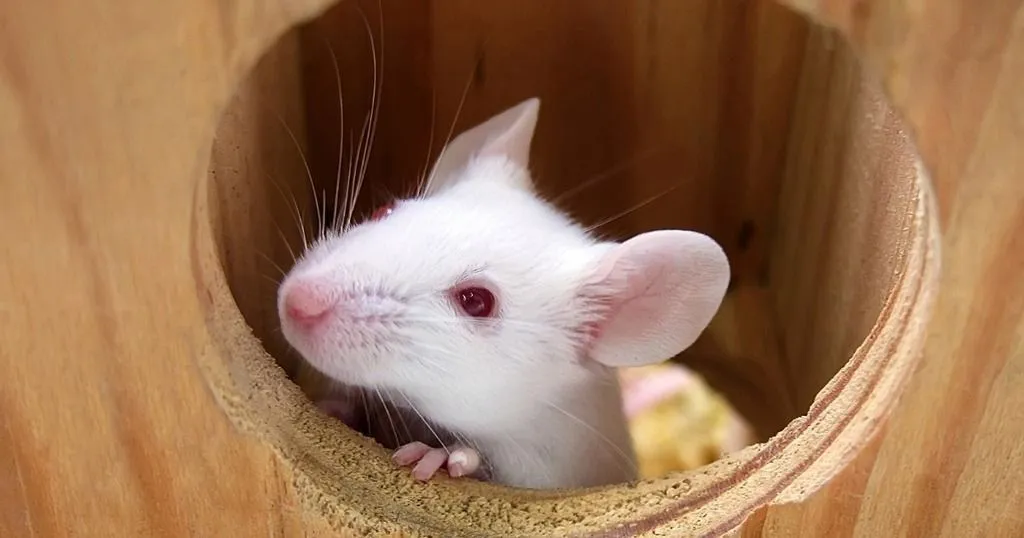
How obese mice get moving
By a showing of hands: how many of you started this New Year with the resolution to get moving? Burn off those extra holiday calories, or finally really get in shape?
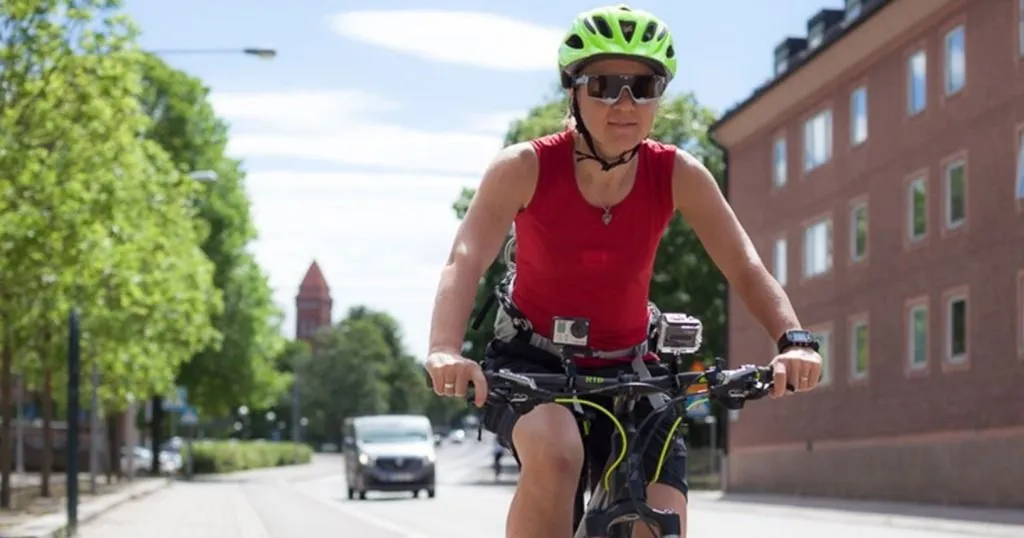
Attention! Drive safely
In a recent study with bicyclists, researchers at VTI, Sweden, observed cyclist behavior using eye tracking technology, video recordings, and behavioral coding.
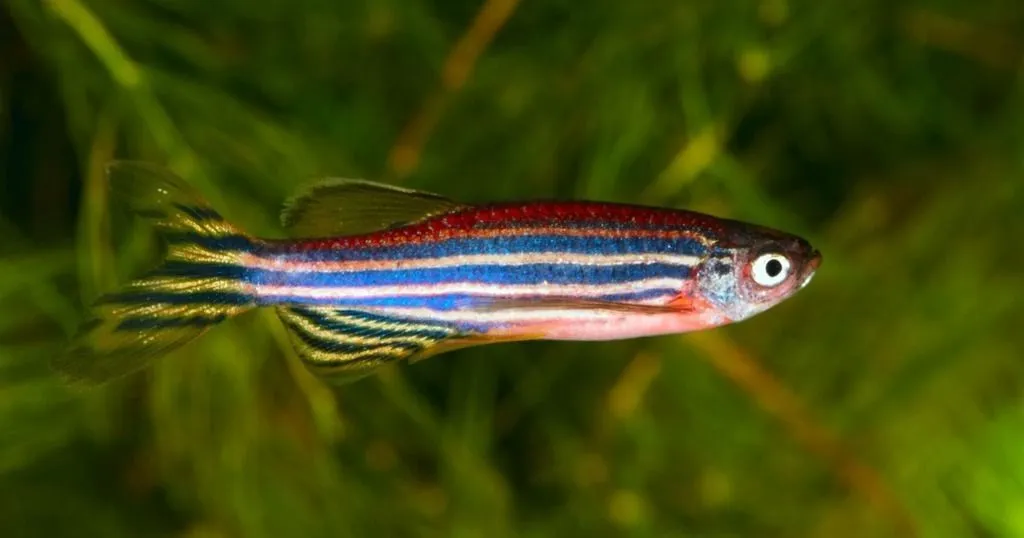
How optogenetics is used to study the stress response in zebrafish larvae
Stress might seem like a bad word, but it does have its perks. A recent study by Rodrigo J. De Marco uncovered the role of the pituitary in zebrafish larvae behavior after the onset of stress.
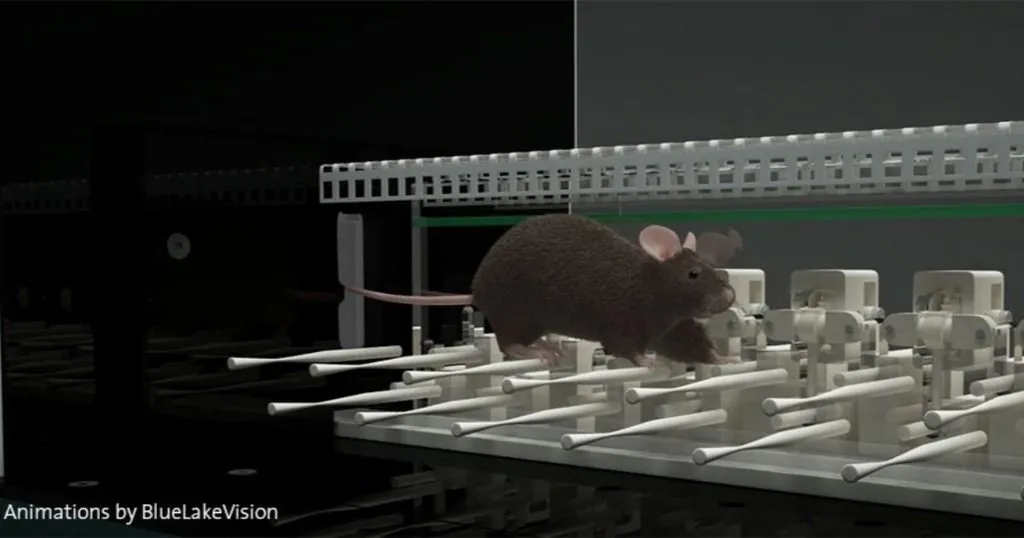
Autistic mice have motor learning difficulties specific to the cerebellum
Autism is often associated with social behavior deficits and repetitive behaviors. However, motor abnormalities are also a part of the behavioral spectrum. Recent studies have implicated the cerebellum.

Investigating the relationships between the immune system and the brain
Our research group is investigating the relationships between the immune system and the brain in humans.

The effect of simulation-based obstetric team training
Dr. Truijens describes the positive effects of simulation-based obstetric team training on communication between health care professionals, clear leadership, and more.
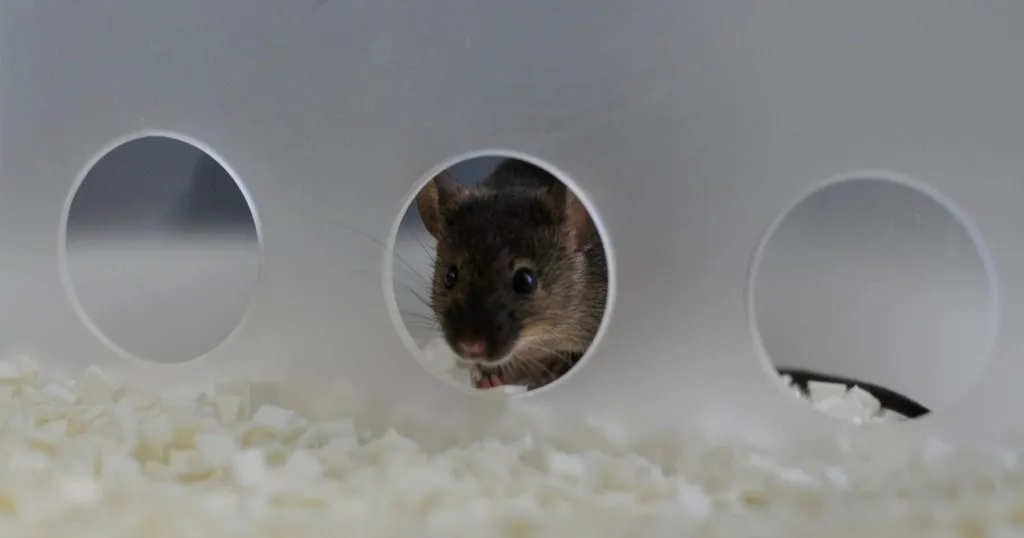
Discrimination learning without human intervention or food restriction
Sylics recently introduced CognitionWall, a new paradigm for discrimination learning in the home cage that avoids the necessity for food restriction and handling in learning tests.

Comparing two different skin-to-skin contact techniques
Skin-to-skin contact is essential in developing a feeling of safety, and in creating the bond between parent and child, especially with premature babies. Buil et al. compared two kangaroo positioning techniques.

The value of facial expression analysis in advertisements
José Chavaglia Neto and José António Filipe investigated the effect of one commercial on consumer emotion. They asked consumers to watch this commercial related to a specific brand.
Thank you!
We'll get back to you shortly.
Please correct the following errors: