Behavioral Research Blog
Insights, research, and innovations in human and animal behavior research

How does communication with strangers develop?
Various factors contribute to shaping social-emotional developmental trajectories, such as familiarity of the interaction partner, the child’s age, but also individual predispositions, such as temperament.

10 reasons why AV tool Viso is beneficial for video feedback
Receiving real and honest feedback can be considered as a main source of learning. It will help evaluate your own learning process and identify gaps, which results in better achievements.
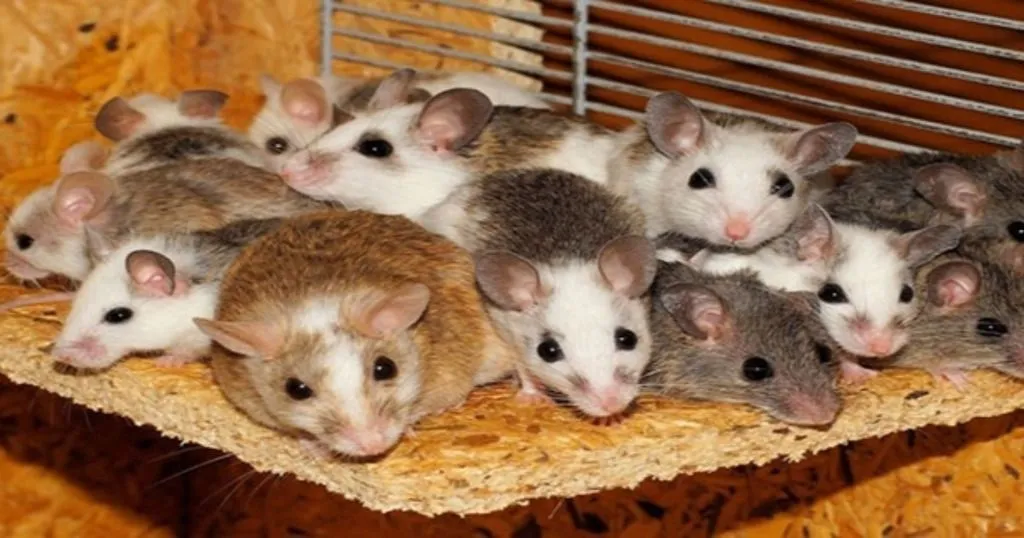
Determining the best housing strategy for mice
When using animal models for scientific research, their welfare should be a priority. Here, we're looking at the effects of different housing strategies for mice, and how PhenoTyper provides researchers with insight.

The relevance of emotions on the evaluation of a transactional website
A UX test is a method of evaluating a product or service by having users test it. Researchers studied how emotions influence opinions about a website by conducting UX tests.

Top 5 Consumer behavior research on the Behavioral Research Blog
Observational research is becoming more and more popular in consumer science and market research. From on-site behavioral observations in supermarkets to advanced multimodal lab studies.
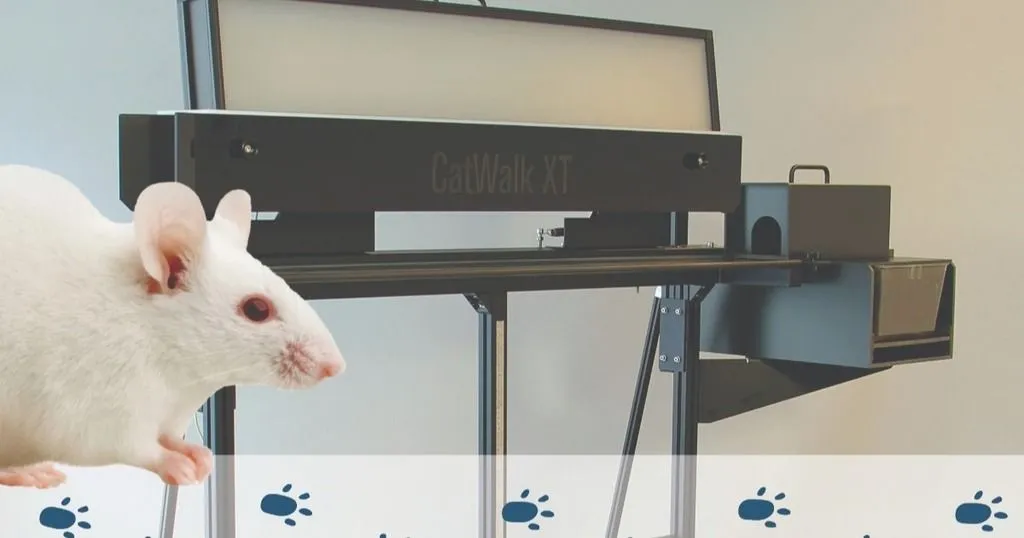
3 ways to use rodent gait analysis in CatWalk XT
CatWalk XT has been used for gait analysis in multiple studies and has helped experimental procedures for a number of neurological disorders and in lesion models. These 3 blogs tell you more about that!

3 high impact papers about measuring anxiety in the Elevated Zero Maze
The elevated zero maze (EZM) is a variation on the elevated plus maze (EPM) and was created to eliminate the center region of the EPM. This blog highlights 3 studies that use the EZM to test for anxiety-like behavior

Quantifying locomotion in rats using CatWalk XT
Gait analysis is a powerful tool in evaluating behavioral and physiological changes in clinical and pre-clinical rodent models.
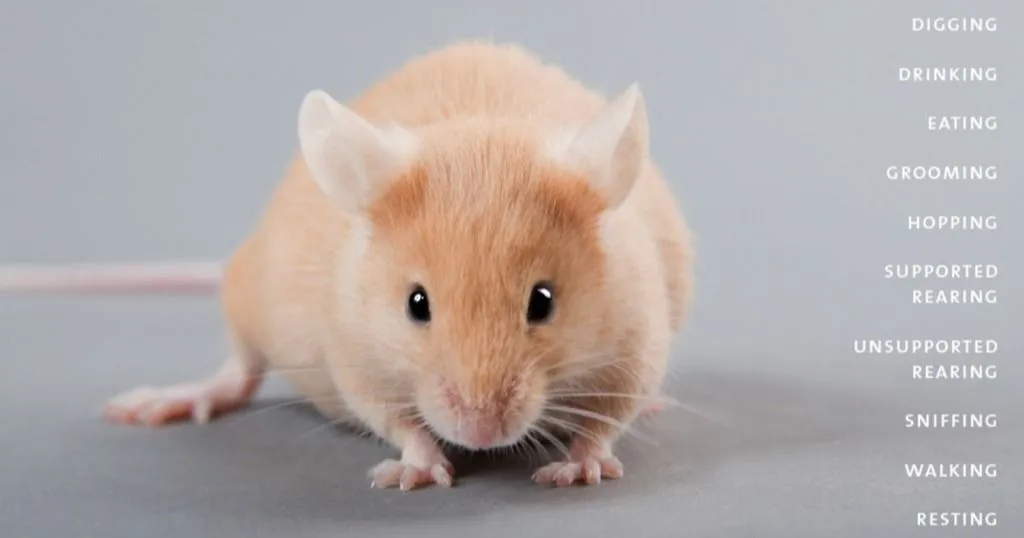
5 EthoVision XT webinars for you to watch
In this blog you’ll find five webinars on EthoVision XT from five different angles. Each webinar will get you more in depth on how to use EthoVision XT in your own study or research.
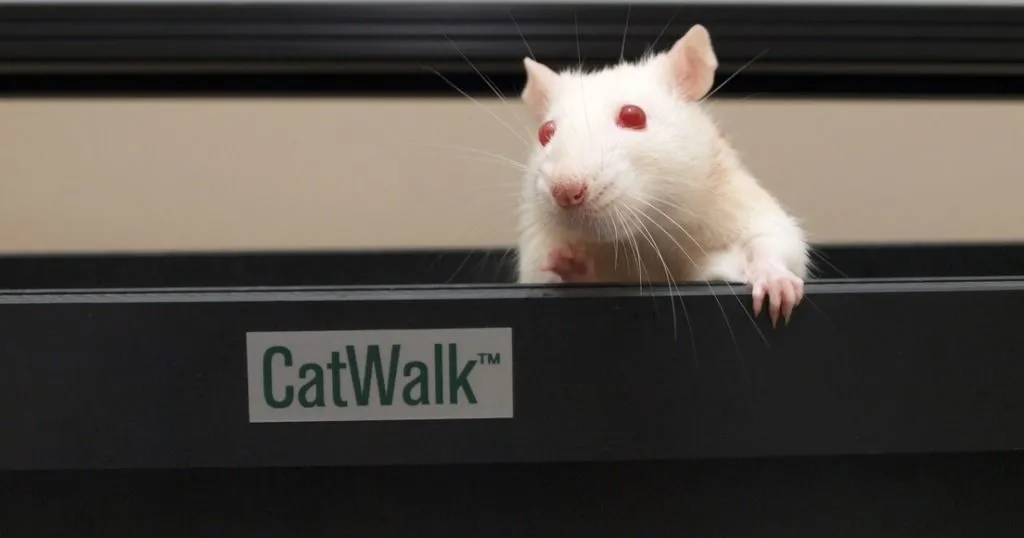
Using CatWalk XT to analyze variations in gait performance in adolescent mice
Rodents are the most common model organisms in biomedical research. Automated gait analysis provides a precise and objective means of analyzing behavioral and physiological changes in rodent models.

Designing a behavioral coding scheme to identify complex trauma
In order to contribute to the development of diagnostic tools and a better understanding of the effects of complex trauma, Ana Granados and her team proposed a new coding scheme and tested its validity.

What is the Barnes maze? A dry-land environment for testing learning and memory
The Barnes maze is a behavioral paradigm for testing learning and memory in rodents models for autism spectrum disorder, Alzheimer’s disease and ageing. How does it compare to the Morris water maze?
Thank you!
We'll get back to you shortly.
Please correct the following errors: